
Sustainability
Ushbu bölim THE Sustainability Impact Ratings 2027 uçun ingliz tilida tayyorlangan (hisobot davri: 2025-yil). Siyosat hujjatlarining özbekça PDF nusxalari «Policies» sahifasida.

17 Goals · SDG 11
SDG 11 Sustainable Cities and Communities
A campus 200 metres from the metro, open to its neighbours, and a source of the engineers who run the city’s digital systems.
At a glance
Research
TUIT research on intelligent transport, IoT infrastructure, urban data and digital public administration supports smarter cities. Graduate-founded start-ups such as DataTruck work on logistics, and the University is developing an e-government laboratory with Expertise France under the Central Asia digital connectivity programme.
Teaching and students
Students in telecommunications, cybersecurity, software engineering and information systems learn to design and secure the networks and services cities depend on. In May 2025 the Faculty of Radio and Mobile Communications held a seminar with the national Telecommunications Network Management Centre.
Campus
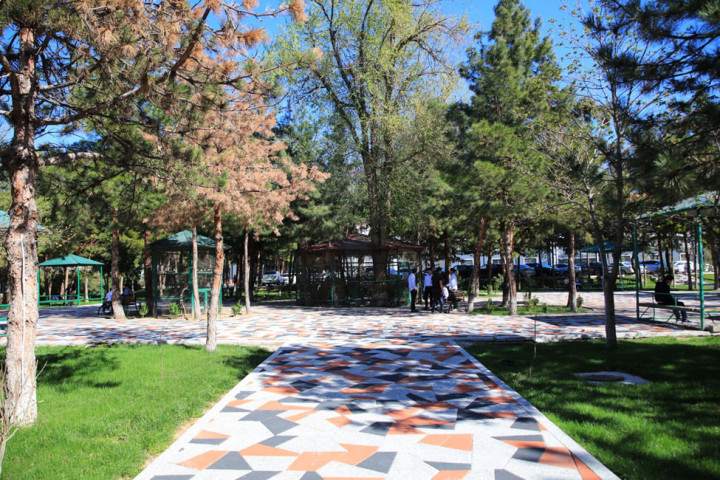
The central campus is reserved for pedestrians, administrative meetings are held online by default, and dormitories offer students housing at regulated fees. The library, museum and green spaces are open to the public free of charge, and student ensembles perform for local audiences.
Community and partners
In 2025 TUIT planted more than 900 trees under “Yashil Makon”: over 600 in Oqtepa mahalla, Yunusobod district, on 15 March 2025 and 300 at the University on 4 December 2025.
Evidence for THE 2027
Related policies
- TUIT-SP-01 Sustainable Development Policy
- TUIT-SP-02 Energy and Carbon Management Policy
- TUIT-SP-09 Biodiversity and Land Policy
- TUIT-SP-12 Fair Employment Policy
- TUIT-SP-15 Open Access and Lifelong Learning Policy
- TUIT-SP-16 Stakeholder Engagement Policy
- TUIT-SP-18 Sustainable Transport Policy
Report and contact
See the SDG 11 chapter of the 2025 report. Contact: Department of Housekeeping and Landscaping; rankings@tuit.uz.