
SDG 10: Reduced Inequalities
Overview
Tashkent University of Information Technologies named after Muhammad al-Khwarizmi contributes to Sustainable Development Goal 10 by widening access to higher education, reducing geographical and socio-economic barriers, and supporting students from different backgrounds to participate successfully in the digital economy. As a national ICT-focused university with a main campus in Tashkent and regional branches across Uzbekistan, TUIT plays an important role in distributing educational opportunities beyond the capital city. This multi-campus structure allows students from different regions to access quality technology-focused education closer to their home communities, reducing the financial, social, and geographic burdens that often limit access to higher education.
 |
 |
 |
https://t.me/tuituz_official/25782
During the 2024–2025 academic year, TUIT’s contribution to reduced inequalities was reflected through targeted scholarships, support for vulnerable students, inclusive educational services, international tuition fee reductions, women-focused digital skills initiatives, and activities for persons with disabilities. The University recognizes that inequality in higher education is not limited to admission alone. It also includes students’ ability to remain enrolled, access support services, participate in academic and social life, develop employable skills, and benefit from opportunities regardless of income level, region, gender, disability status, or nationality.
Research & Innovation
TUIT’s Scopus-indexed research portfolio includes one article classified under SDG 10. Although the direct number of SDG 10-classified publications is limited, the University’s wider research and innovation agenda contributes to inequality reduction through digital inclusion, accessible technology, assistive solutions, and ICT-based social mobility. As an ICT university, TUIT is well positioned to address inequality by developing digital tools, platforms, datasets, and systems that can improve access to information, services, education, and employment opportunities for underserved communities.
SDG 10 Reduced Inequalities.pdf
One relevant example is the project titled “Imkoniyati cheklangan shaxslar uchun ma’lumotlar to‘plami” — Datasets for Persons with Disabilities. This initiative reflects the importance of inclusive technology research and data resources that can support better digital services for people with disabilities. In the context of SDG 10, such work is important because digital systems often reproduce inequality when they are not designed with accessibility and diverse user needs in mind. By supporting research and applied projects related to inclusive technologies, TUIT contributes to a more equitable digital environment.
https://tuit.uz/imkoniyati-cheklanganlar-uchun
The University’s broader innovation ecosystem also supports inequality reduction by giving students from different backgrounds opportunities to develop entrepreneurial and technical skills. Innovation spaces, startup support, applied project exhibitions, and technology competitions help students move beyond passive learning and gain practical experience. For students from regions or socially vulnerable groups, these opportunities can become pathways to employment, entrepreneurship, and long-term economic mobility.
Education & Students
Education is the strongest area of TUIT’s contribution to SDG 10. The University’s regional branch network helps reduce geographical inequality by making ICT education available across Uzbekistan rather than concentrating opportunity only in Tashkent. This is especially important in technology education, where access to laboratories, qualified instructors, digital learning environments, and professional networks can strongly influence students’ future career outcomes. Through its branches, TUIT supports a more balanced distribution of digital skills and contributes to regional human capital development.
Regional branches — TUIT official,
TUIT also provides targeted financial support to students from socially vulnerable backgrounds. According to the institutional data used in the SDG report, 317 students receive extra scholarships specifically aimed at students from the bottom 20% income groups, orphaned students, and other low-income categories. This mechanism helps reduce socio-economic inequality by supporting students whose financial circumstances could otherwise limit their ability to continue higher education. In addition to financial aid, students from low-income families can access wider welfare support, including food, accommodation, transportation, medical assistance, legal counselling, academic advising, and psychological support.
https://t.me/tuituz_official/26694
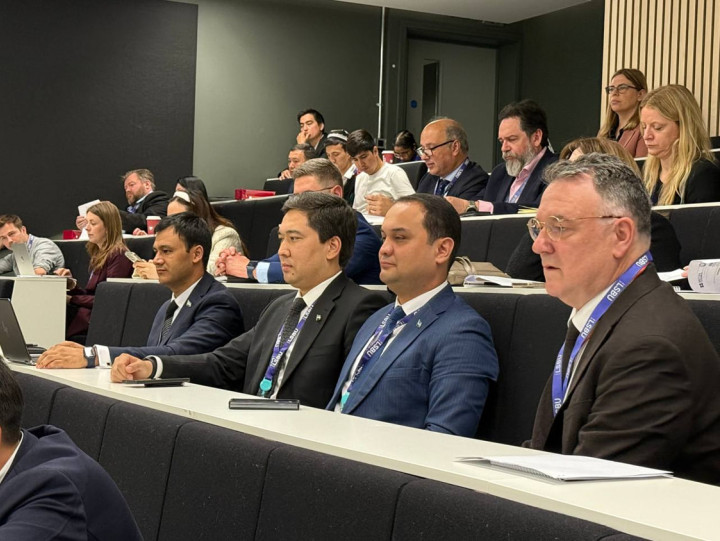
The University also supports international access through tuition fee discounts for applicants from Afghanistan, Turkmenistan, Kyrgyzstan, Tajikistan, Egypt, and Pakistan. This measure is relevant to SDG 10 because it reduces financial barriers for international students from countries where access to specialized ICT higher education may be more limited or economically difficult. By offering reduced fees, TUIT strengthens educational inclusion beyond national borders and supports broader regional access to technology education.
 |
 |
 |
 |
https://t.me/tuituz_official/23175
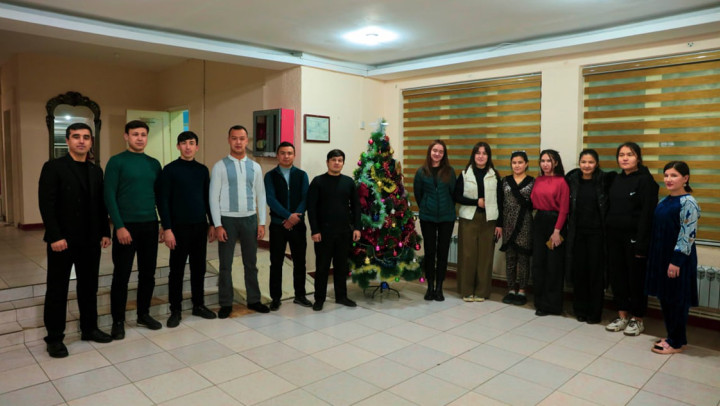
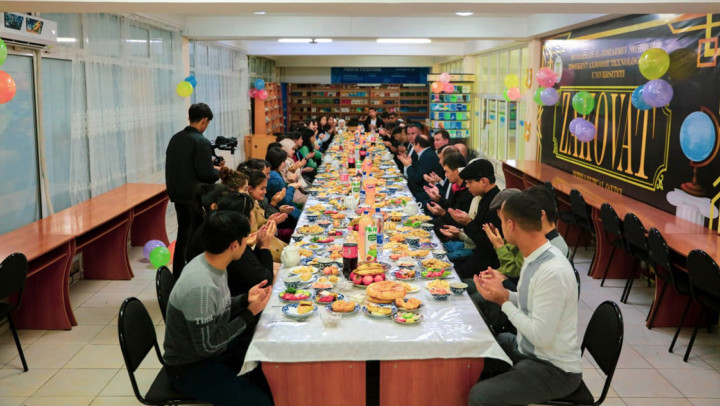
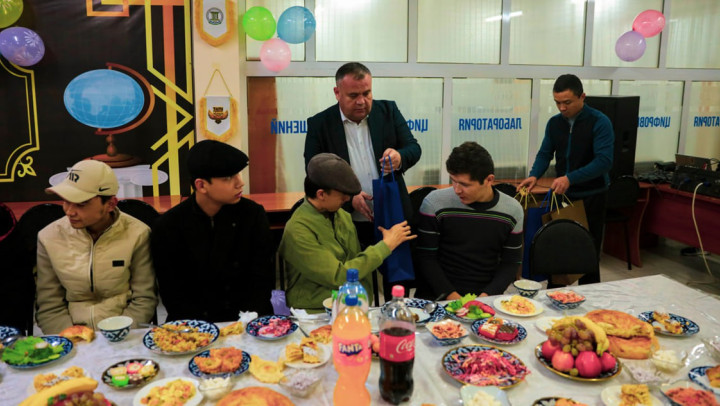
Inclusive student life is another important element of TUIT’s SDG 10 activity. On 3 December 2024, the University organized an event dedicated to the International Day of Persons with Disabilities under the motto “No one is left behind.” This kind of activity is important because reducing inequality requires not only formal access to education, but also recognition, visibility, and participation of students and community members with disabilities. It contributes to a campus culture where inclusion is treated as an institutional value rather than a separate or symbolic issue.
TUIT also expanded access to advanced engineering education through the Higher Engineering School of ICT and Artificial Intelligence, which began enrolling students following a Presidential directive. By creating pathways into advanced fields such as artificial intelligence and engineering, the University supports broader participation in high-value areas of the digital economy. If access to these fields is widened through regional recruitment, scholarships, and targeted support, such initiatives can help reduce future labour market inequalities in technology-intensive sectors.
Community & Partnerships
TUIT’s contribution to SDG 10 extends beyond classroom education through community engagement and partnerships that support inclusive access to digital skills. The University’s participation in programmes for socially disadvantaged youth, women, and regional students reflects the idea that digital education can become a tool for social mobility. Institutional materials describe the “Kambag‘allikdan farovonlikka sari” programme as providing free training in areas such as foreign languages, e-commerce, marketing, and social media marketing for socially disadvantaged youth. The same materials report that 30,000 young people were trained online through itstudy.uz in April 2025. However, because the current file marks this figure as requiring an official source, this claim should be used carefully and supported with a verified TUIT or official programme link before final submission.
https://t.me/tuituz_official/25121
The University also supports inequality reduction through women-focused digital skills partnerships. A UNESCO and Ministry of Digital Technologies grant programme for financially disadvantaged talented women in Artificial Intelligence and Data Science is included in the institutional materials. This initiative is relevant to SDG 10 because it addresses overlapping inequalities: gender, income, and access to advanced digital skills. By supporting talented women from vulnerable backgrounds, the programme helps widen participation in AI and data science, fields that are increasingly important for employment and leadership in the digital economy.
Regional integration is another important part of TUIT’s community impact. In April 2025, more than 700 participants from TUIT campuses took part in a university-wide forum involving academic, sports, and cultural activities. Such events help integrate students from regional branches into the wider university community and reduce the sense of separation between the main campus and branches. They also create opportunities for students from different regions to build networks, participate in shared activities, and feel included in the institutional identity of TUIT.
Through these activities, TUIT contributes to reduced inequalities by combining access, support, participation, and opportunity. The University’s partnerships with government bodies, international organizations, digital education platforms, and regional campuses help extend the benefits of ICT education to groups that may otherwise face barriers. This approach is important because inequality reduction in a university context requires more than individual scholarships; it requires institutional systems that connect education, welfare, digital skills, social inclusion, and long-term employability.
Key Results
|
Indicator |
Result |
|
Scopus-indexed articles classified under SDG 10 |
1 |
|
Regional campuses / branches |
Multiple across Uzbekistan |
|
Extra scholarships for low-income and orphaned students |
317 |
|
Integrated welfare support for vulnerable students |
Food, accommodation, transport, medical, legal, academic, and psychological support |
|
International tuition fee discount countries |
6 countries |
|
International Day of Persons with Disabilities activity |
Organized in December 2024 |
|
Higher Engineering School of ICT and Artificial Intelligence |
Active / began student intake |
|
UNESCO / Ministry of Digital Technologies AI and Data Science grant programme for women |
Active |
|
Reported “Poverty to Prosperity” online programme reach |
30,000 youth — requires official source confirmation |
Indicator Result
|
International disability day events |
Annual (Dec 2024) |
|
"Poverty to Prosperity" programme reach |
30,000 youth |
|
International fee discounts (countries) |
6 |