
SDG 1: No Poverty
Overview
TUIT approaches poverty reduction as a multidimensional institutional responsibility. The University recognizes that poverty in higher education extends beyond tuition costs to encompass daily living, mental well-being, and access to opportunity. During 2024–2025, TUIT delivered a comprehensive support ecosystem integrating direct financial aid, social protection services, entrepreneurship pathways, and community outreach — all designed to ensure that socio-economic background does not determine educational outcomes.
Research & Innovation
TUIT’s TUIT Incubation Center functions as an innovation and enterprise hub supporting students and local SMEs in developing startup ideas. The University allocates approximately 300–500
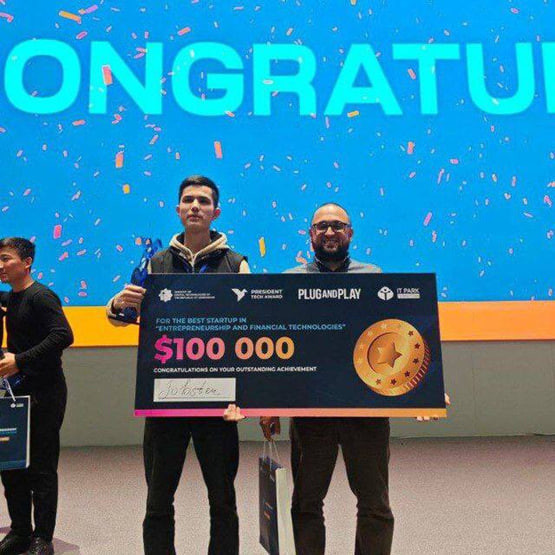
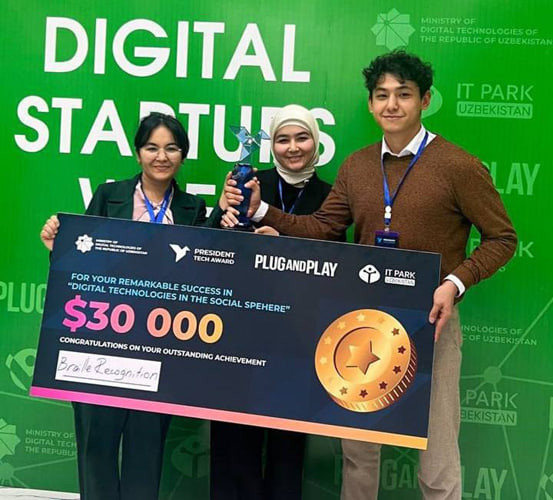
million UZS annually to support startup projects, linking innovation support directly to long-term economic self-sufficiency. Startup Projects — TUIT official In December 2024, five teams from TUIT and its regional branches won the President Tech Award (2nd season) — a national startup competition with a total prize fund of $1,000,000 — with TUIT teams collectively winning
$400,000 in the social-sector category. TUIT teams win President Tech Award — official announcement Research addressing financial systems, digital inclusion, and economic mobility is classified under SDG 1 within the University’s Scopus publication portfolio.
 |
 |
Education & Students
- 6,220 students receive standard state scholarships
- 317 students receive extra scholarships specifically targeting students from the bottom 20% income groups, orphaned students, and other low-income categories
- 26 students from TUIT and its branches received prestigious state scholarships (Presidential Scholarship, Beruniy, Islam Karimov, Ibroyim Yusupov, Tulepbergen Kaipbergenov) in
December 2024. https://t.me/tuituz_official/23594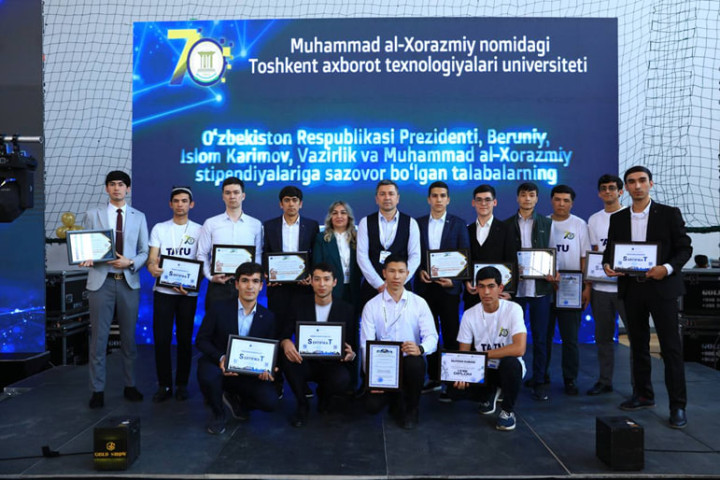
- 60 students received the Muhammad al-Khwarizmi University scholarship for 2024–2025, including 27 from the main campus. 2024 Khwarizmi Scholarship recipients — official list
- 11 students won the Ministry of Digital Technologies Scholarship
- Students from low-income families access integrated welfare support including food, medical services, housing, transportation, legal counselling, academic advising, and psychological support
- From 2024–2025, state grants are redistributed annually in a differentiated manner among socially active students with strong academic performance, combining protection for vulnerable students with merit-based advancement
- Tuition fee discounts are offered to applicants from Afghanistan, Turkmenistan, Kyrgyzstan, Tajikistan, Egypt, and Pakistan to reduce international access barriers. https://tuit.uz/en/tolov-kontrakt-miqdorlari
Community & Partnerships
- TUIT provided more than 10 free professional education courses to more than 150 vulnerable families, including provision of laptops and digital devices to support learning
- Employer engagement seminars organized with companies such as Schneider Electric to connect students with career pathways and economic independence. https://tuit.uz/en/post/schneider-electric-yirik-fransuz-kompaniyasi
- The TUIT Incubation Center serves local SMEs and students as a shared innovation resource. TUIT Startup Projects page
Key Results
|
Indicator |
Result |
|
Total students enrolled |
20,000+ |
|
Students receiving standard scholarships |
6,220 |
|
Extra scholarships for low-income/orphaned students |
317 |
|
State scholarship recipients (Dec 2024) |
26 |
|
University scholarship recipients (2024–2025) |
60 |
|
Ministry of Digital Technologies scholarships |
11 |
|
Free courses for vulnerable families |
10+ |
|
Families supported through outreach |
150+ |
|
Annual startup support budget |
300–500 million UZS |
|
President Tech Award winnings (TUIT teams) |
$400,000 |