

Welcome to the Faculty of Digital Education and Technologies at Tashkent University of Information Technologies named after Muhammad al-Khwarizmi!
The Faculty of Professional Education in ICT was established in accordance with Resolution No. PP-1942 of the First President of the Republic of Uzbekistan I.A. Karimov dated March 26, 2013, “On measures to further improve the training system for personnel in the field of information and communication technologies.” On September 3, 2026, the faculty’s name was changed to “Digital Education and Technologies.”
The faculty trains highly qualified specialists and personnel equipped with modern knowledge in information technology, mathematical modeling, postal services and logistics, information-resource services, and pedagogy.
Faculty administration:
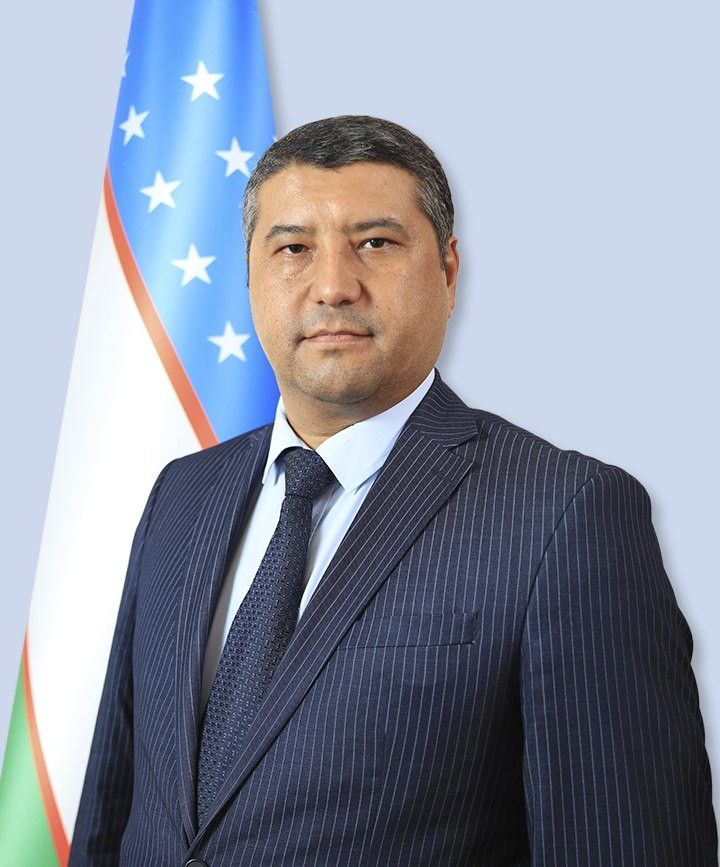
Dean of the Faculty of Digital Education and Technologies
Karshiyev Zaynidin Abduvaliyevich
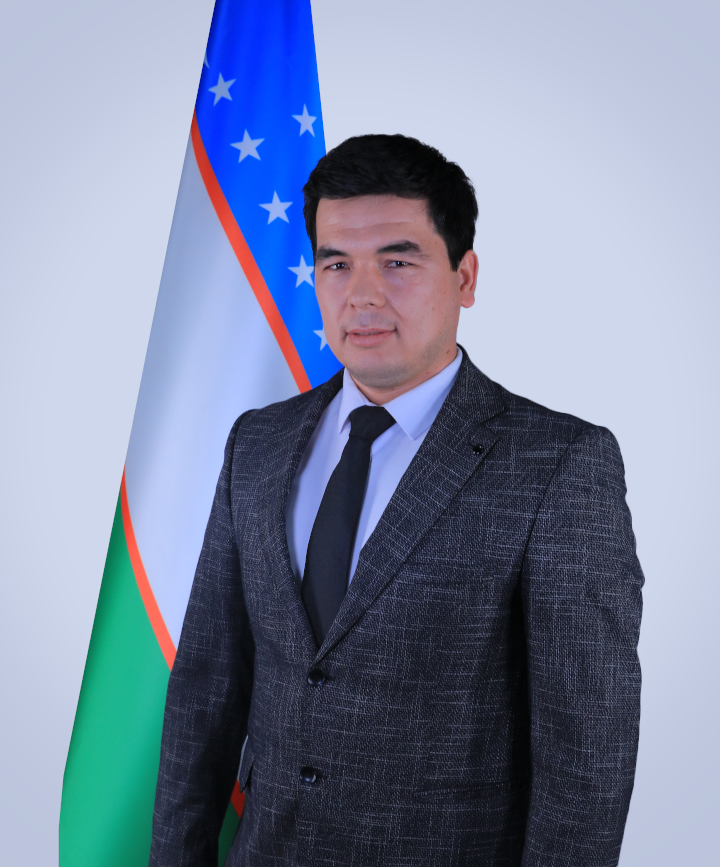
Faculty of Digital Education and Technologies Deputy Dean for Youth Affairs
Norbekov Suhrob Farhod o‘g‘li
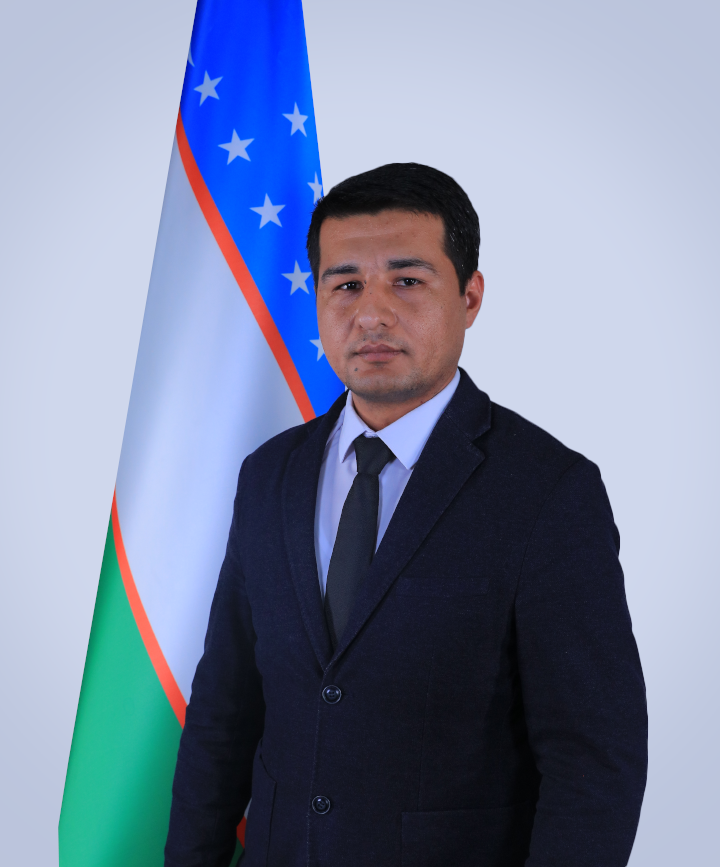
Deputy Dean for Academic Affairs, Faculty of Digital Education and Technologies
Normatov Otaxon Masharibovich
Departments of the Faculty
Bachelor’s Degree Programs
Master’s Degree Specialties
Bachelors graduating from the faculty can engage in the following types of professional activities in accordance with their fundamental and specialized training:
- Pedagogical and Educational Activity: conducting teaching and extracurricular educational work in information technologies and specialized subjects at professional education institutions (colleges and technical schools), academic lyceums, secondary schools, and non-state educational centers;
- Production and Technological Activity: developing software tools and information systems, managing computer networks, creating mathematical models of real processes, automating technological processes in postal and logistics facilities, as well as managing digital library and information-resource systems;
- Design and Engineering Activity: designing software, wireless technologies, automated learning systems, library and information databases, as well as postal and communication tools;
- Educational-Methodological and Organizational-Managerial Activity: planning and managing educational-methodological and organizational processes in education management bodies, educational methodology centers, information-resource centers (libraries), and postal communication enterprises;
- Experimental-Research Activity: conducting scientific and practical research using standard techniques in applied mathematics, information technologies, library-information activities, and postal technologies, as well as processing results.