
Tashkent University of Information Technologies (TUIT) integrates environmental sustainability into campus operations, infrastructure development, and institutional policy. The University continuously works to reduce its environmental footprint through responsible energy use, water conservation, waste management, green campus initiatives, and climate action strategies.
These efforts support national sustainability priorities and contribute to the United Nations Sustainable Development Goals (SDGs). Environmental sustainability at TUIT is implemented through institutional policies, operational programs, and continuous monitoring of resource use across campus facilities.
Energy
TUIT promotes responsible energy management through its Energy Conservation Program and operational efficiency initiatives. The program applies to all university buildings, facilities, and equipment and aims to reduce energy consumption while improving efficiency.
Energy-saving measures include the use of energy-efficient lighting systems, improved heating and cooling management, and monitoring of electricity consumption across campus infrastructure. These initiatives support the reduction of energy demand and contribute to environmental sustainability.
Energy management is also aligned with the University’s broader climate objectives, including reducing greenhouse gas emissions and improving long-term sustainability performance.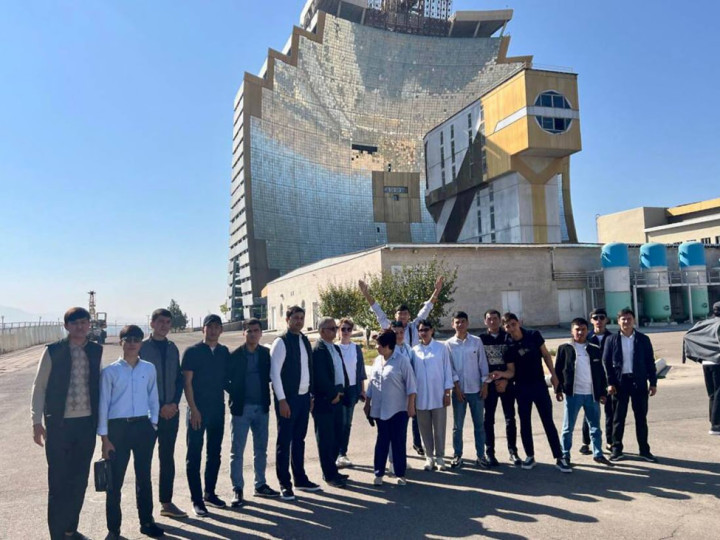
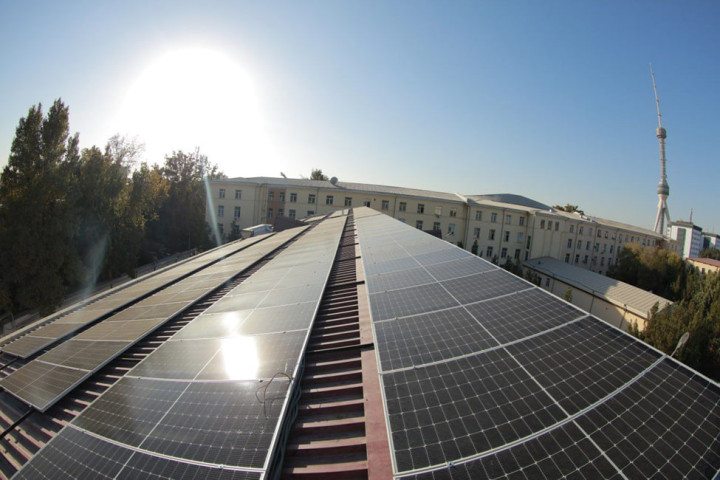
In 2023, a total of 1,041 solar panels were installed at the Tashkent University of Information Technologies named after Muhammad al-Khwarizmi as part of the national program “Installation of Solar Panels in State Higher Education Institutions.” Since then, the university has been generating renewable energy through this solar power system.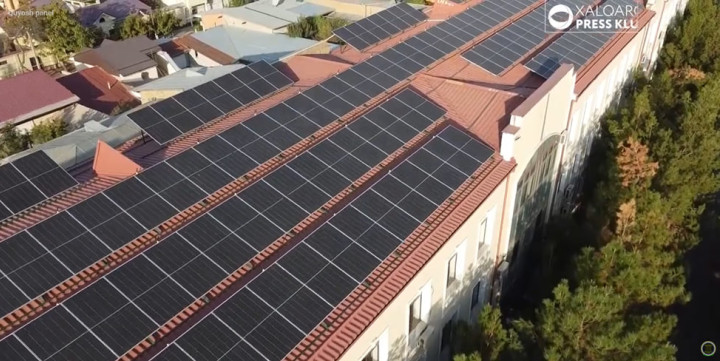
Evidence
- Energy Conservation Program: https://tuit.uz/en/energy-conservation-program
- Sustainability page (policy overview): https://tuit.uz/en/sustainability
Water
TUIT implements water conservation practices through its Water Management Program, which ensures responsible and efficient use of water resources across campus.
The program includes monitoring of water consumption, maintenance of infrastructure, and prevention of water loss. The University also promotes water-saving technologies and awareness initiatives to encourage responsible use of water among students and staff.
These measures support efficient water usage while ensuring reliable water services for academic and operational needs.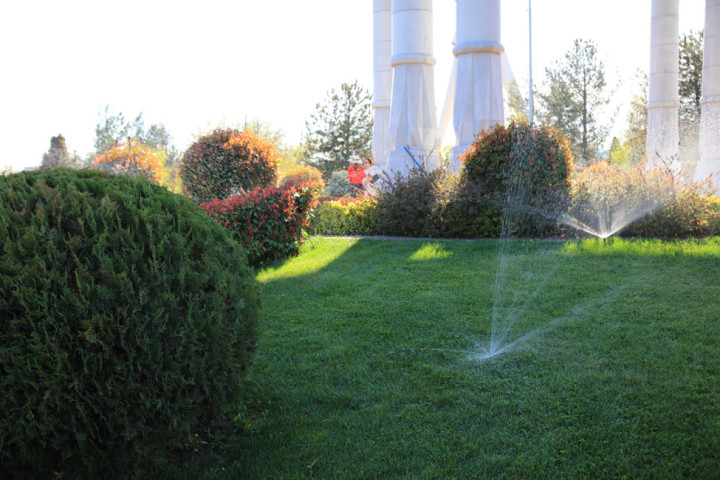
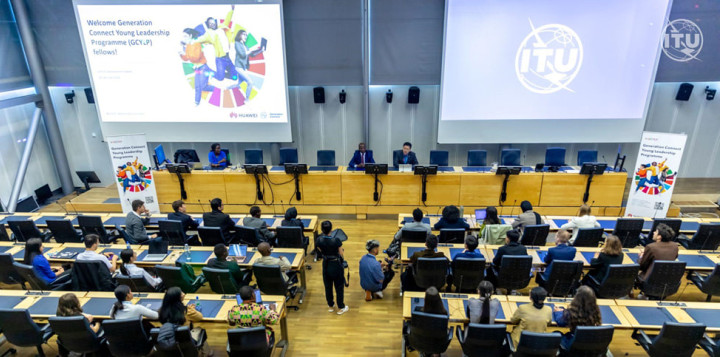
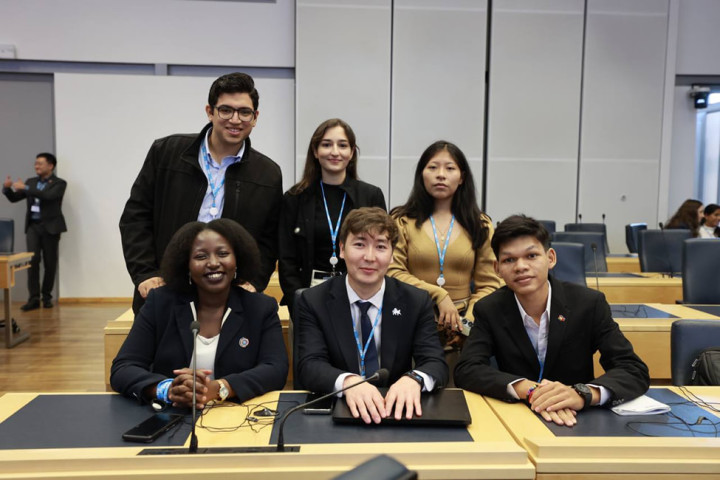
Tashkent University of Information Technologies named after Muhammad al-Khwarizmi (TUIT) continues to participate in national and international trainings and conferences with scientific projects focused on efficient water management. As part of these activities, TUIT student Nuriddin Samatov took part in the Generation Connect Youth Leaders programme organized by the International Telecommunication Union in cooperation with Huawei in Geneva, Switzerland.
His innovative project proposes an intelligent monitoring and management system designed to detect and prevent water pollution in river basins and irrigation canals. The system aims to support early warning mechanisms and help minimize the environmental impact of chemical substances discharged from industrial facilities.
The programme selected 30 young researchers in STEM fields from Europe, Asia, South America, Africa and the Middle East. During the week-long training, participants also visited Huawei’s research and development center in Zurich and learned about the company’s latest technological initiatives. Source.


Evidence
- Water Management Program: https://tuit.uz/en/water-conservation-program
- Sustainability page: https://tuit.uz/en/sustainability
Waste
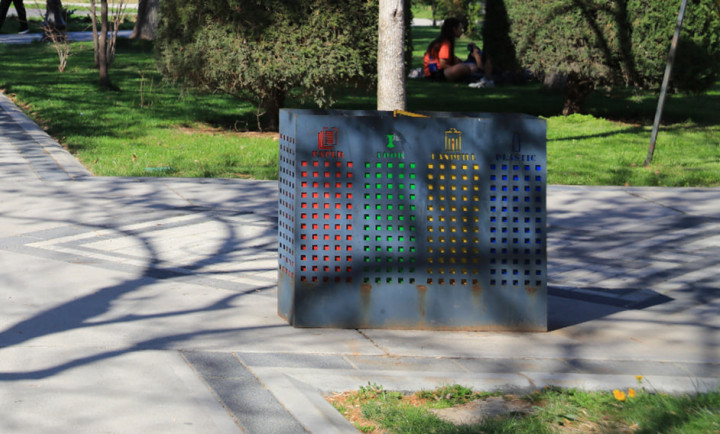
TUIT promotes responsible waste management through policies and campus initiatives aimed at reducing waste generation and increasing recycling practices.
The University encourages waste separation and proper disposal of materials such as paper, plastic, and electronic waste. Awareness campaigns support environmentally responsible behaviour within the university community.
These efforts contribute to reducing landfill waste and improving sustainable campus operations.

Evidence
- Sustainability policies (waste & recycling): https://tuit.uz/en/recycling-program
Green Campus
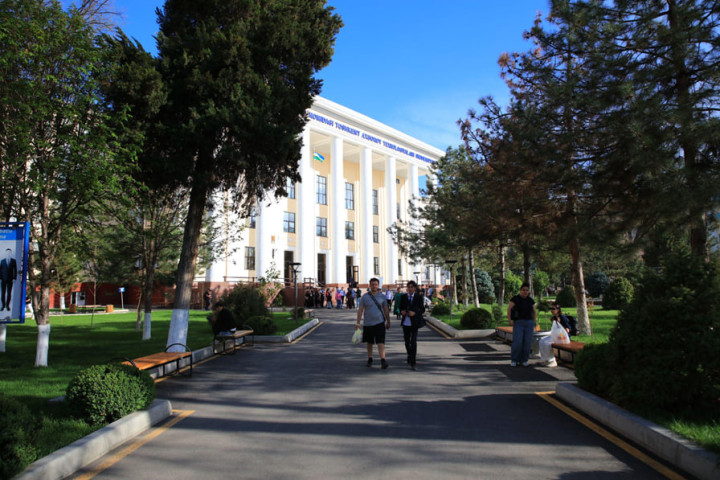
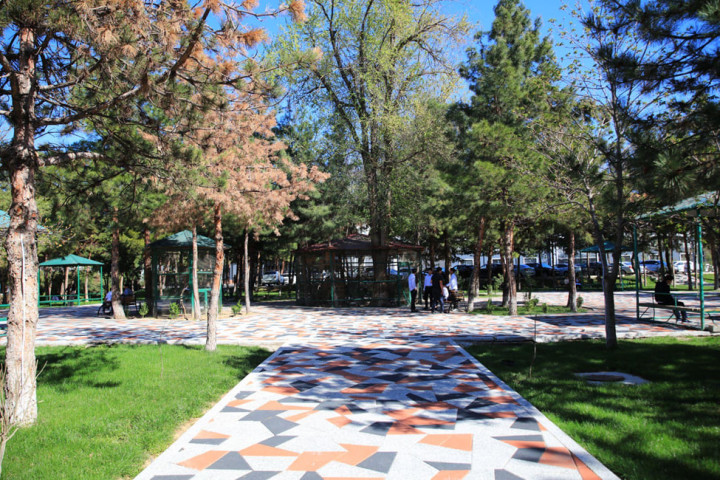
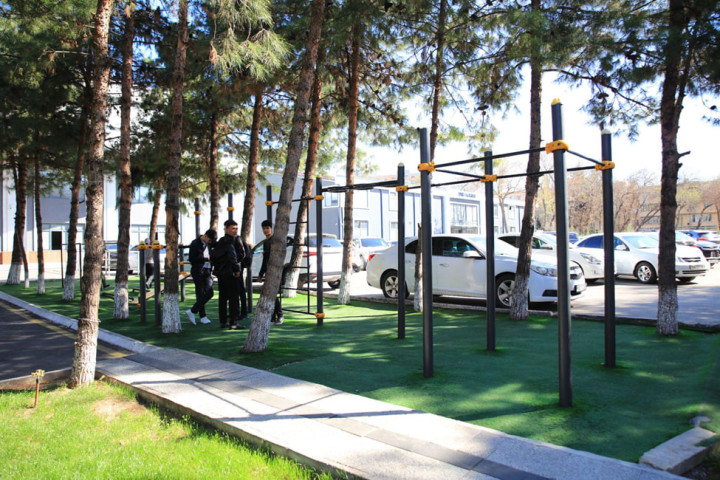
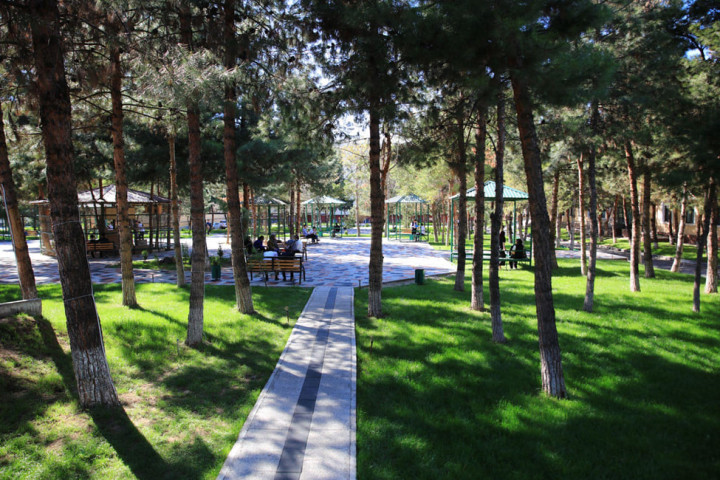
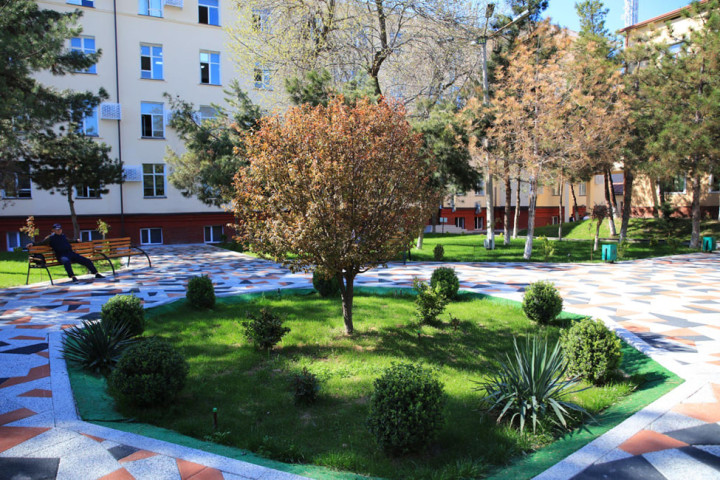
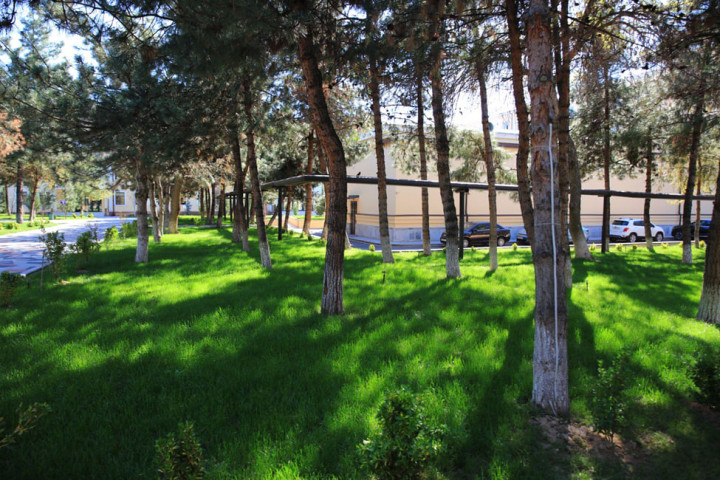
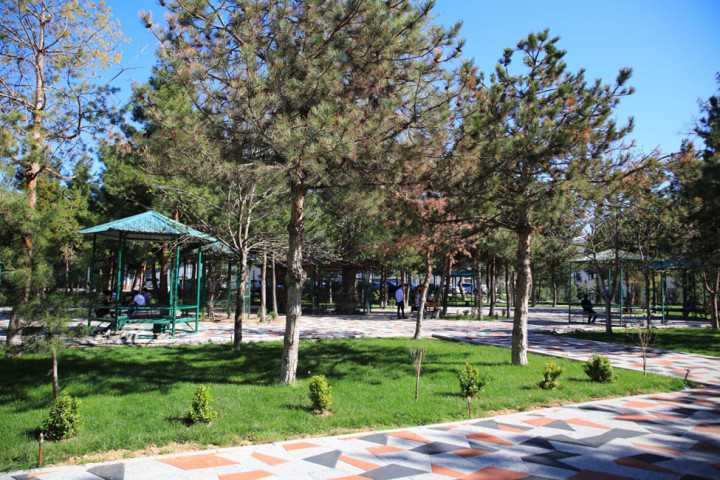
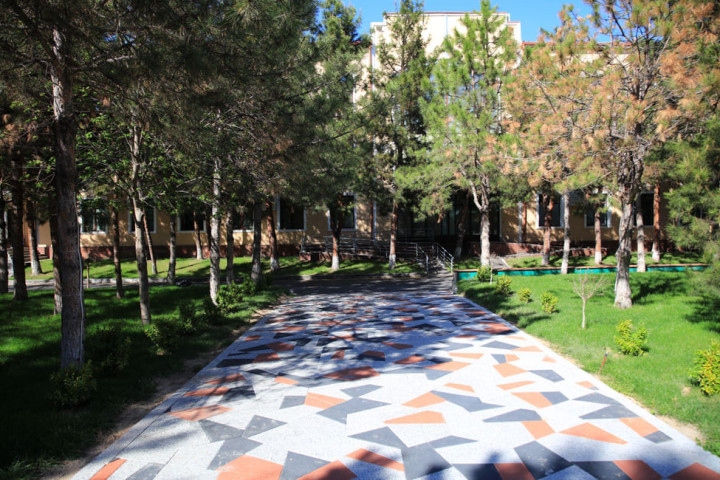
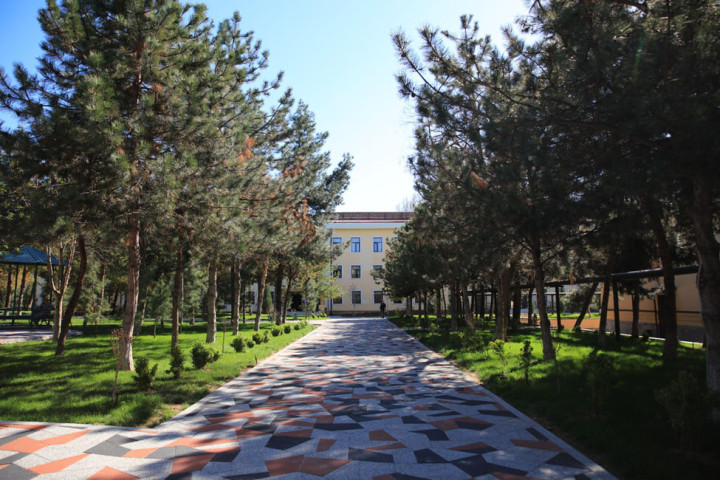
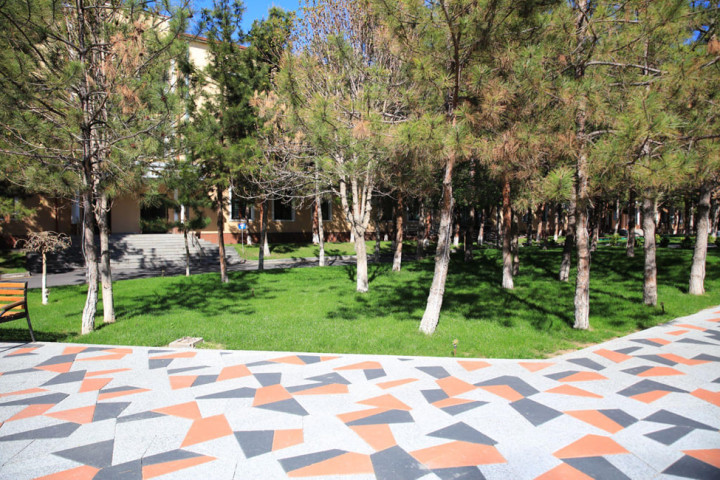
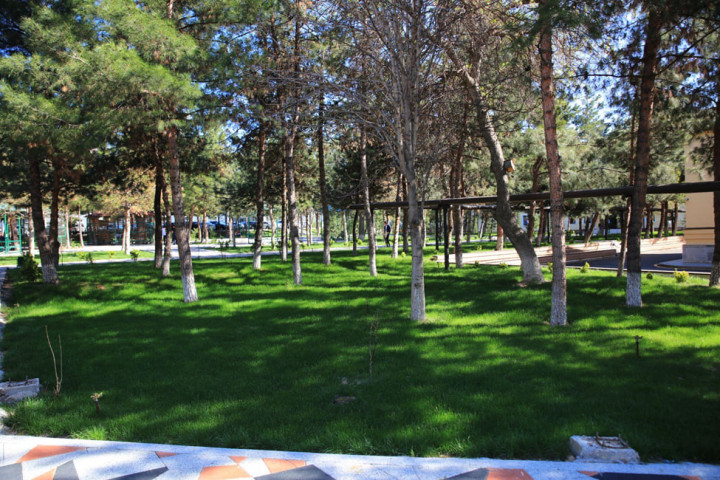
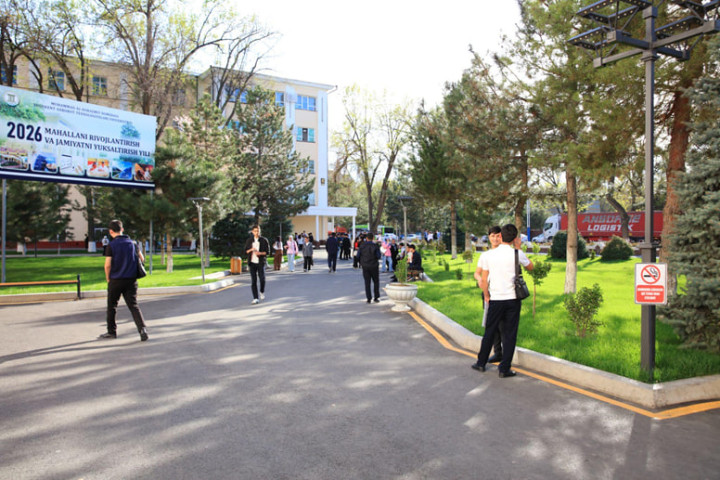
TUIT supports the development of a green campus environment through sustainable infrastructure and environmentally responsible campus management.
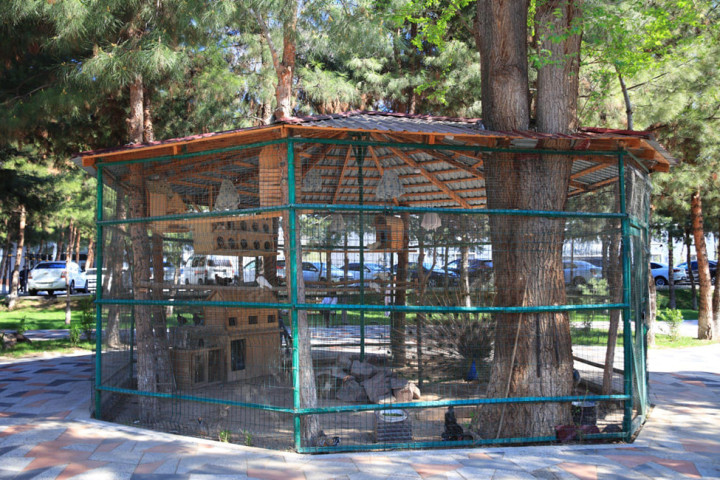
Green areas and landscaping initiatives contribute to improving campus biodiversity and environmental quality. The University also promotes environmentally responsible behaviour through awareness programs and student engagement initiatives.
These activities support the creation of a sustainable and comfortable campus environment for students and staff.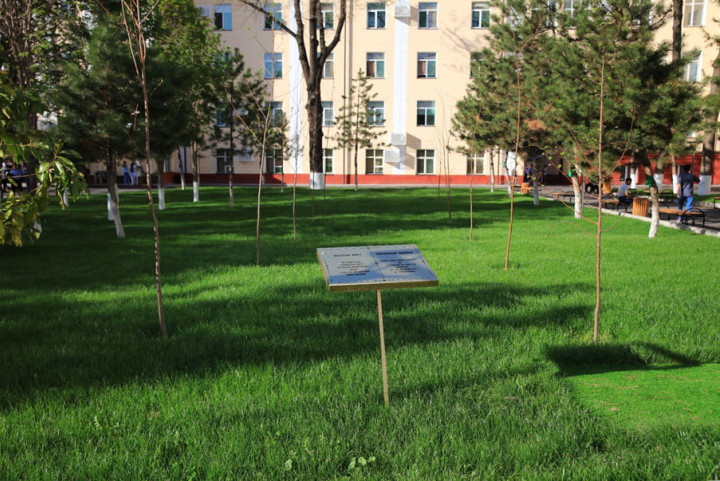
Climate Action
TUIT recognizes climate change as a global challenge and integrates climate considerations into institutional planning and sustainability initiatives.
The University has committed to long-term environmental responsibility, including a target to achieve carbon neutrality by 2040. Climate-related actions include energy efficiency improvements, sustainability-focused research, and awareness initiatives.
Through academic programs, research activities, and campus operations, TUIT contributes to climate awareness and supports global sustainability efforts.
Evidence
- Carbon emissions / climate page: https://tuit.uz/en/our-carbon-emissions
- Sustainability policy: https://tuit.uz/en/sustainability