
SDG 11: Sustainable Cities and Communities
Overview
Tashkent University of Information Technologies named after Muhammad al-Khwarizmi contributes to Sustainable Development Goal 11 by preparing specialists, technologies, and institutional practices that support smarter, safer, more inclusive, and more sustainable cities and communities. As Uzbekistan’s leading ICT-focused university, TUIT plays an important role in developing the human capital needed for digital public services, e-government systems, telecommunications networks, smart infrastructure, transport technologies, cybersecurity, and data-driven urban management. These areas are increasingly essential for the sustainable development of modern cities.
During the 2024–2025 academic year, TUIT strengthened its contribution to SDG 11 through smart-city-relevant education, applied research, digital infrastructure cooperation, campus sustainability measures, regional community development, and environmental initiatives. The University’s multi-campus structure also supports sustainable communities by distributing access to ICT education beyond the capital city. Through its regional branches, TUIT contributes to local skills development, regional innovation capacity, and more balanced national development.
 |
 |
 |
TUIT’s campus itself also functions as a model learning community. With more than 31,000 students across the University system, TUIT maintains academic buildings, laboratories, dormitories, sports facilities, dining services, welfare support systems, digital communication channels, and organized public spaces. These systems contribute to a safer and more inclusive university environment while demonstrating how institutions can apply sustainability principles in daily operations.
Research & Innovation
TUIT’s Scopus-indexed research portfolio includes 27 articles classified under SDG 11, representing 1.2% of the University’s total SDG-related Scopus output. These publications are connected with areas such as smart city systems, intelligent transport, urban data analytics, IoT-based infrastructure, digital public administration, communication systems, and data-driven service management. Although SDG 11 is not the largest part of TUIT’s research portfolio, it is closely linked to the University’s broader strengths in digital technologies, telecommunications, cybersecurity, artificial intelligence, and infrastructure systems.
SDG 11 Sustainable Cities &.pdf
As a technology university, TUIT contributes to sustainable cities by developing expertise that can be applied to intelligent transport systems, secure public communication networks, urban monitoring, digital payment systems, traffic management, public safety technologies, and smart utilities. These areas are essential for cities that aim to become more efficient, resilient, and inclusive. TUIT’s research and innovation environment helps prepare both technical knowledge and skilled graduates who can support these transformations in Uzbekistan’s cities and regions.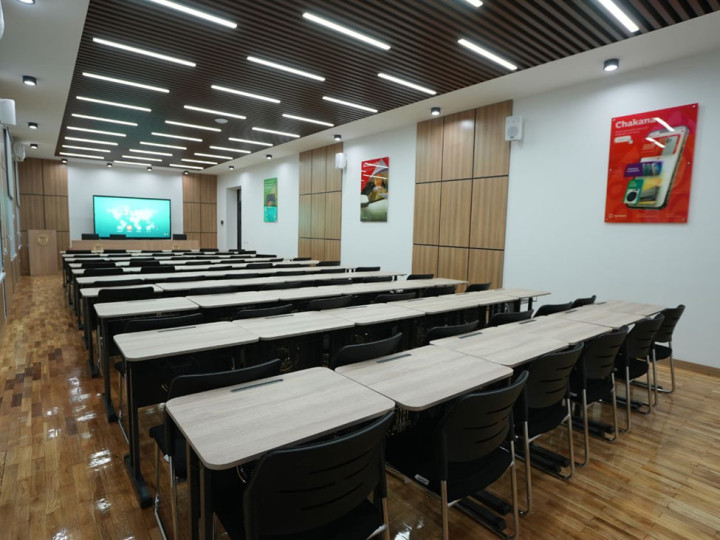
Startup activity also supports TUIT’s SDG 11 contribution. The graduate-founded startup DataTruck, also referred to as Fintruck, is relevant to smart logistics and freight transport optimization. By improving logistics efficiency, such digital solutions can contribute to better transport coordination, reduced inefficiencies, and smarter urban and intercity mobility systems. This example shows how university-linked entrepreneurship can generate practical solutions for infrastructure and community needs.
 |
 |
 |
https://t.me/tuituz_official/24643
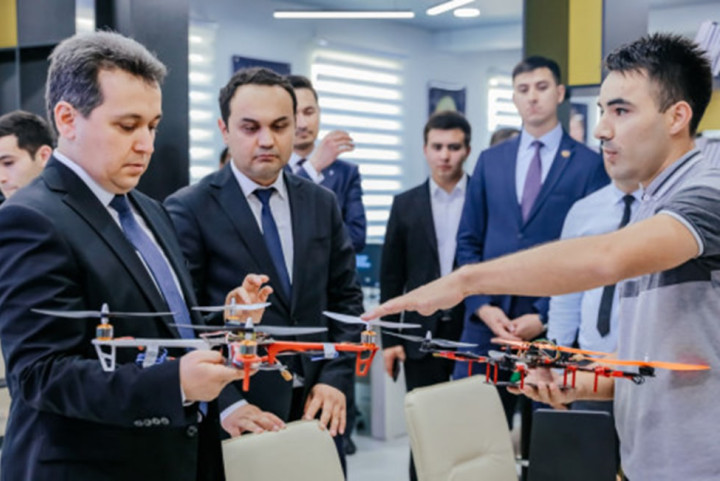
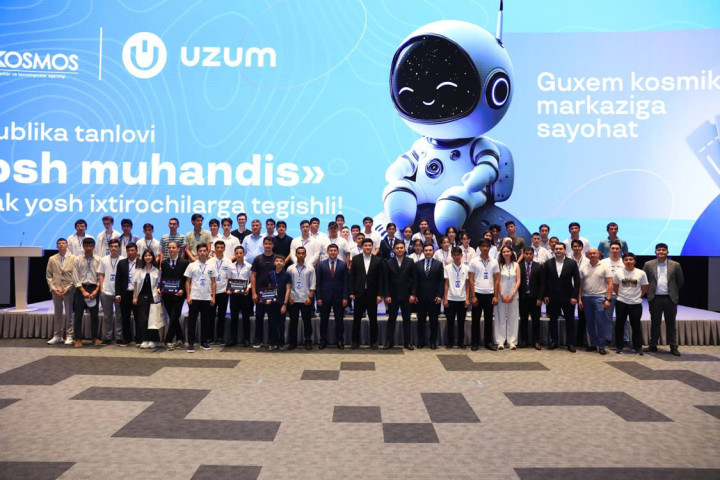
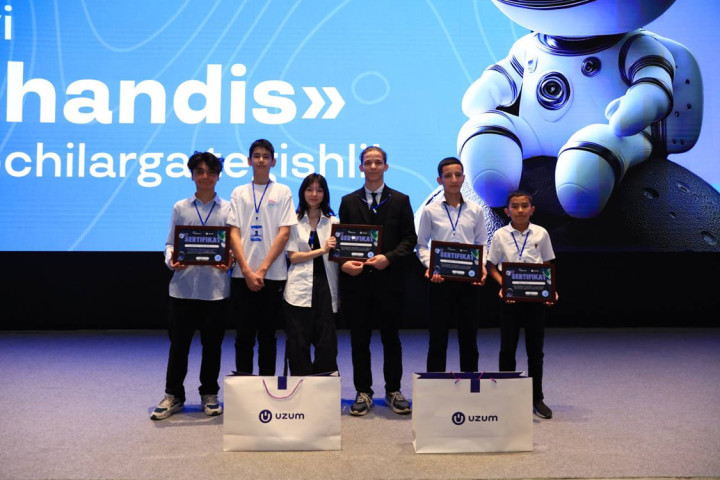
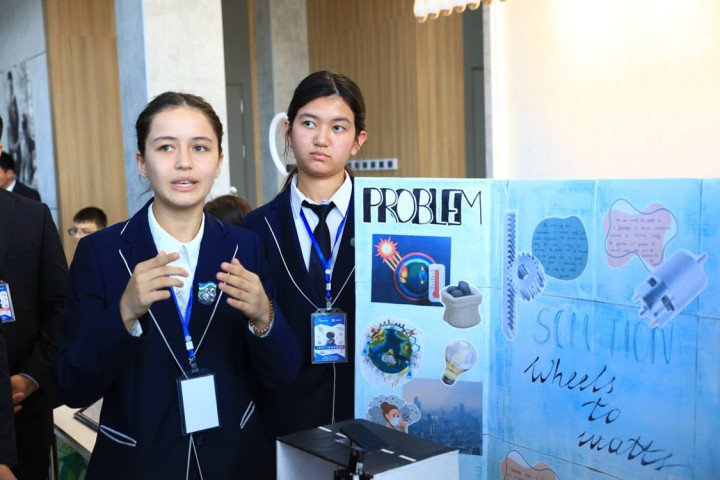
TUIT’s participation in CanSat Uzbekistan-2025 also reflects the University’s capacity to train students in technologies relevant to future monitoring systems. While the competition itself is not limited to urban sustainability, it develops practical skills in sensors, communication systems, data processing, electronics, and remote monitoring. These competencies are relevant to smart city development because sustainable urban management increasingly depends on reliable data collection, environmental sensing, and connected infrastructure.
 |
 |
 |
CanSat Uzbekistan-2025 — official
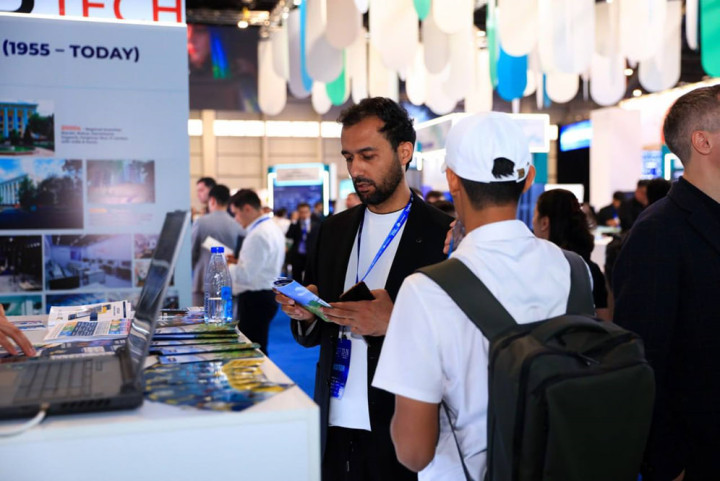
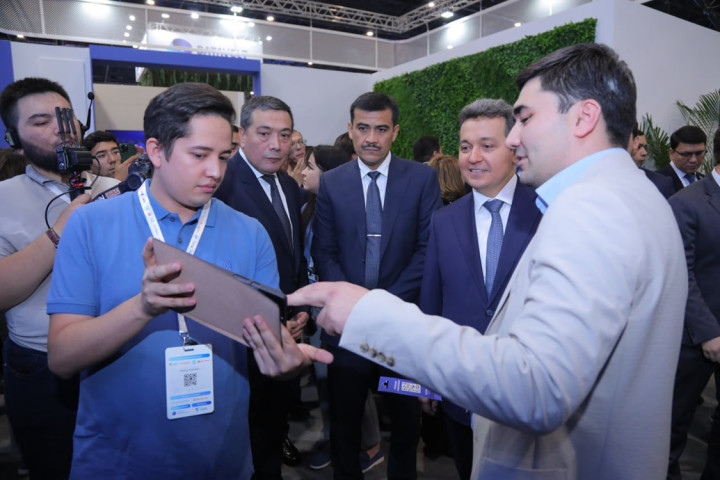
The University’s contribution to next-generation connectivity is also important for SDG 11. During ICT Week Uzbekistan 2024, 5.5G network technology was piloted in cooperation with UZTELECOM and Huawei, with TUIT contributing to the technology demonstration and knowledge exchange. High-speed and reliable communication infrastructure is one of the foundations of smart cities, enabling digital public services, real-time monitoring, connected transport systems, emergency response, and more inclusive access to information.
Education & Students
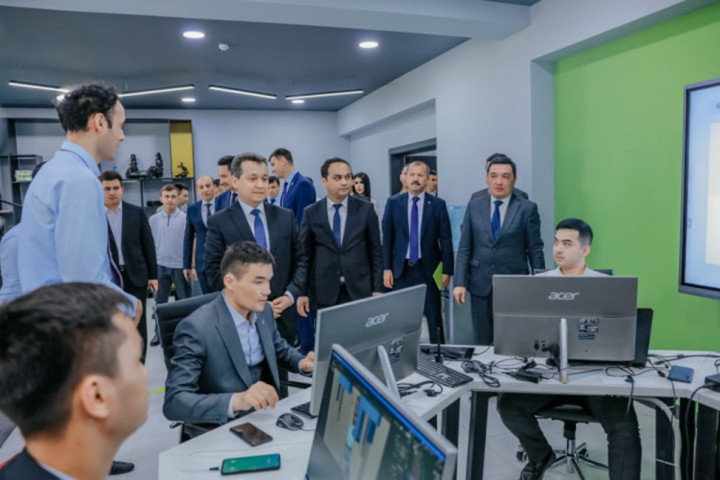
TUIT’s strongest contribution to SDG 11 is the education of specialists who can design, operate, and improve the digital systems that modern cities depend on. Students in telecommunications, cybersecurity, artificial intelligence, software engineering, computer engineering, information systems, and digital management gain competencies that are directly relevant to smart city infrastructure and sustainable community development. These graduates support sectors such as e-government, transport technology, digital public services, fintech, smart infrastructure, and secure communication systems.The University’s practical learning environment helps students connect academic knowledge with real infrastructure challenges. Laboratories, technical seminars, innovation competitions, and applied projects expose students to the systems that support modern urban life, including networks, automation, data systems, cybersecurity, and mobile communications. In May 2025, the Faculty of Radio and Mobile Communications organized a seminar with specialists from Uzbekistan’s Telecommunications Network Management Centre, focusing on network monitoring and management infrastructure. Such activities help students understand how communication systems are managed at national and urban scales.
 |
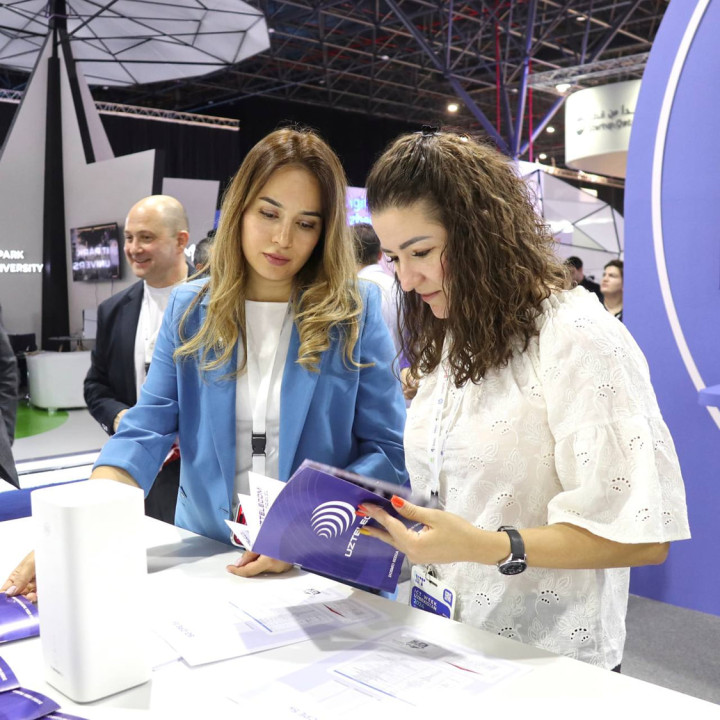 |
TUIT’s participation in the 5.5G technology pilot during ICT Week Uzbekistan 2024 also had an educational dimension. Students and faculty were able to observe and engage with next-generation communication technologies that can support smart cities and connected communities. This kind of exposure is important because sustainable urban development increasingly depends on specialists who understand not only current systems, but also emerging infrastructure such as advanced mobile networks, IoT connectivity, and cloud-supported digital services.
The campus environment itself contributes to student learning about sustainable communities. TUIT’s academic buildings, laboratories, dormitories, dining services, sports facilities, student support services, and digital systems create an organized institutional community serving a large student population. By maintaining these systems, the University demonstrates that sustainable communities require coordinated infrastructure, welfare services, inclusive participation, and responsible management. Students experience these systems directly as part of campus life, which strengthens their understanding of how large communities can be organized and supported.
Community & Partnerships
TUIT contributes to sustainable communities through its regional branches, which serve as educational and community development anchors in different parts of Uzbekistan. By offering ICT education outside the capital, these branches support regional human capital growth and help reduce concentration of digital opportunity in Tashkent alone. This decentralized educational model strengthens local communities by preparing specialists who can contribute to regional digital transformation, public services, and local innovation ecosystems.
Environmental and community initiatives also form an important part of TUIT’s SDG 11 activity. In 2025, TUIT participated in the national “Yashil Makon” Green Space initiative and planted more than 600 ornamental and fruit trees in Yunusobod district, Tashkent, and in campus areas. This activity supports greener urban spaces, improves the campus and surrounding environment, and aligns the University with Uzbekistan’s wider national greening agenda. Tree planting is especially relevant to sustainable cities because urban greenery contributes to better air quality, improved public spaces, climate adaptation, and community well-being.
Yashil Makon national initiative — TUIT participation | Yashil Universitet page — TUIT official
TUIT also participated in the national “Mahalla obod — yurt obod” charity subbotnik in August 2024. Through this community cleanup initiative, university staff and students contributed to maintaining cleaner and more organized public spaces. Such activities strengthen civic responsibility and show that sustainable communities depend not only on infrastructure and technology, but also on collective participation and care for the local environment.
 |
 |
 |
https://t.me/tuituz_official/28170
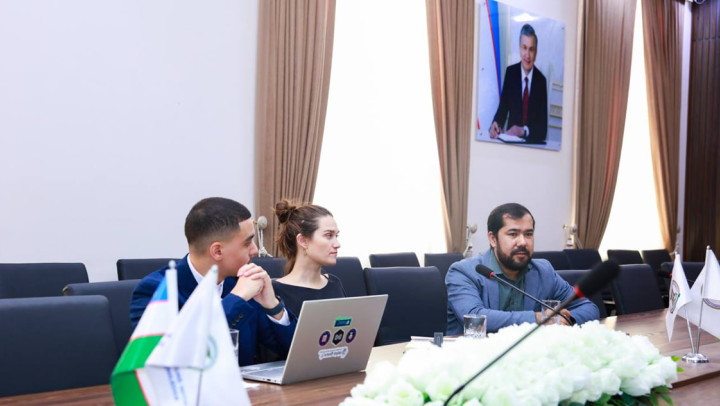
International cooperation further supports TUIT’s role in sustainable urban and digital infrastructure development. In July 2025, a delegation from France’s Expertise France visited TUIT within the C4CA — Central Asia Digital Connectivity framework. Discussions focused on digital infrastructure collaboration and the development of an e-government laboratory. This partnership is directly relevant to SDG 11 because sustainable cities increasingly require strong digital public infrastructure, interoperable services, secure connectivity, and institutional capacity for managing digital transformation.
Through cooperation with technology companies, government bodies, international organizations, and regional communities, TUIT helps connect higher education with the practical needs of cities and communities. These partnerships support smart infrastructure, digital connectivity, urban services, environmental action, and community development. They also show that sustainable cities are not built by technology alone, but through collaboration between universities, public institutions, industry, and citizens.
Key Results
|
Indicator |
Result |
|
Scopus-indexed articles classified under SDG 11 |
27 |
|
Share of total SDG-related Scopus output |
1.2% |
|
Trees planted under Yashil Makon initiative |
600+ |
|
5.5G technology pilot contribution |
Active |
|
Community cleanup / subbotnik participation |
Annual / 2024 participation |
|
France C4CA digital connectivity meeting |
July 2025 |
|
Regional campuses / branches |
Active across Uzbekistan |
|
Alumni contribution to e-government and smart city sectors |
Active workforce |