
SDG 9: Industry, Innovation and Infrastructure 
Overview
Tashkent University of Information Technologies named after Muhammad al-Khwarizmi makes one of its strongest contributions to Sustainable Development Goal 9 through its core institutional mission as Uzbekistan’s leading ICT-focused university. During the 2024–2025 academic year, TUIT strengthened its role in advancing digital infrastructure, technological innovation, engineering education, cybersecurity capacity, telecommunications development, and applied research. The University’s academic and research profile is closely connected with the needs of modern industry, including software systems, artificial intelligence, computer engineering, embedded technologies, automation, smart infrastructure, and digital public services.
SDG 9 is especially important for TUIT because the University directly prepares the human capital required for Uzbekistan’s digital transformation. Its graduates support telecommunications networks, e-government systems, cybersecurity architecture, fintech platforms, smart infrastructure, digital management systems, and private-sector technology development. This role is reflected in the University’s research portfolio: 1,607 Scopus-indexed articles are classified under SDG 9, representing 69.7% of TUIT’s total SDG-related Scopus publication output. This confirms that industry, innovation, and infrastructure are central to TUIT’s identity as a technology-driven institution.
Research & Innovation
TUIT’s research contribution to SDG 9 is based on a broad range of ICT and engineering fields. The University’s SDG 9-related Scopus publications cover areas such as artificial intelligence and machine learning, telecommunications, computer engineering, cybersecurity, embedded systems, automation, data systems, digital infrastructure, and applied software technologies. With 1,607 Scopus-indexed articles classified under this goal, SDG 9 represents the largest share of TUIT’s research activity and demonstrates the University’s strong contribution to knowledge production in technology and infrastructure-related fields.
SDG 9 Industry, Innovation.pdf
 |
 |
During the 2024–2025 academic year, the University also expanded its innovation capacity through the development of advanced engineering education and applied technology initiatives. The Higher Engineering School of ICT and Artificial Intelligence, launched during this period, was designed to train highly qualified engineers for Industry 4.0 and to strengthen the link between higher education, research, and the needs of the digital economy. In addition, TUIT’s Artificial Intelligence Department produced Uzbekistan’s first-ever bachelor’s graduates in Artificial Intelligence in May 2025, marking an important milestone for the country’s higher education system and future AI workforce.
TUIT Artificial Intelligence Department
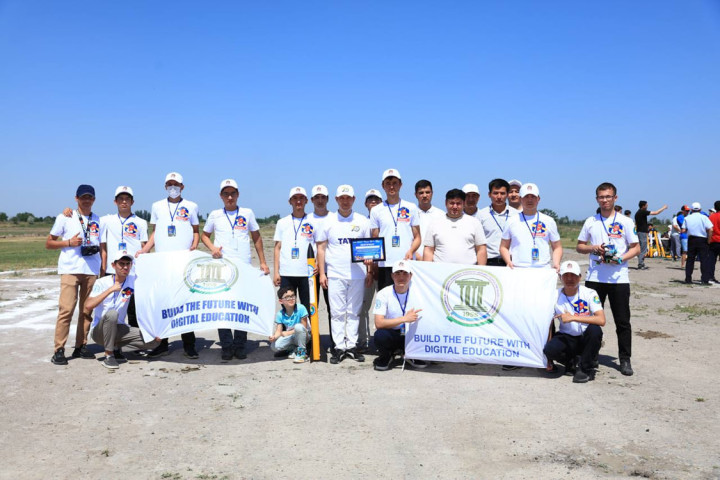
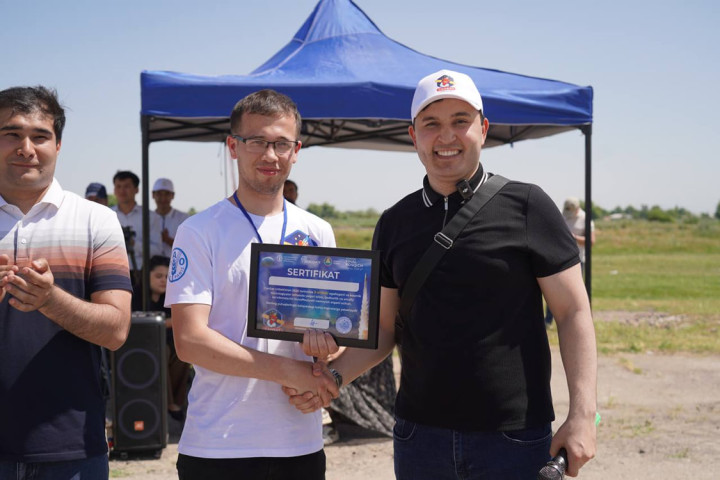
Student-led innovation also formed an important part of TUIT’s SDG 9 contribution. In February 2025, the TUITSpaceCraft team participated in CanSat Uzbekistan-2025 and launched a student-built miniaturised satellite, which was presented as the first such achievement in Uzbekistan’s higher education context. This project demonstrated the ability of students to apply engineering, electronics, programming, communication systems, and data-processing knowledge to a practical aerospace-related challenge. It also showed how university-based learning can be connected with national technological capacity building.
 |
 |
 |
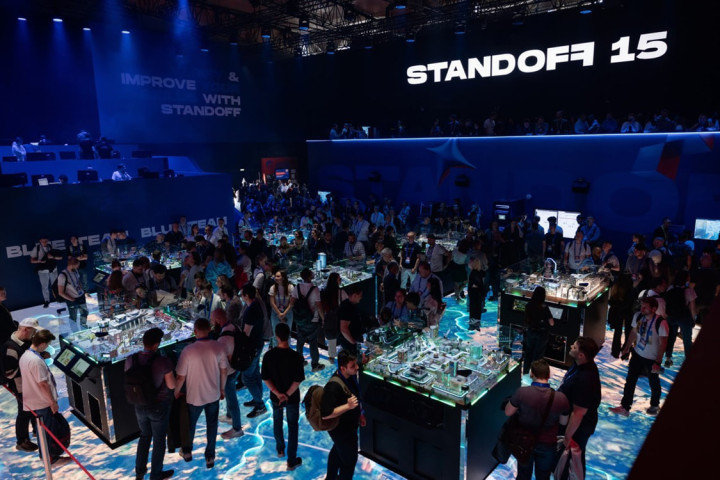 |
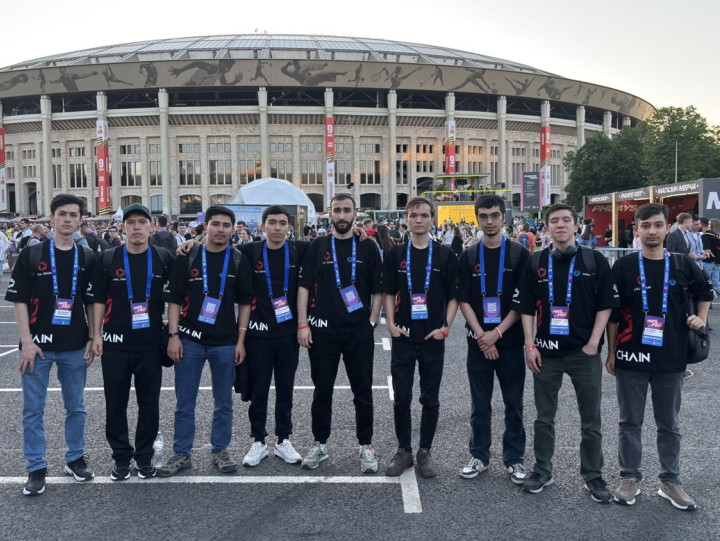
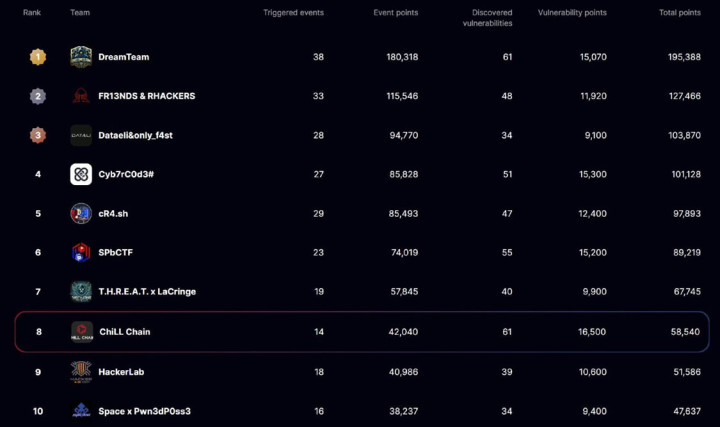
TUIT also contributed to innovation through cybersecurity and next-generation communication technologies. A TUIT student, Umurzoqov Quvonchbek, was listed among the top performers at the STANDOFF 15 international cybersecurity competition in Moscow in May 2025, where participants competed with more than 30 elite hacker teams. This achievement reflects the University’s growing role in preparing cybersecurity specialists for increasingly complex digital environments.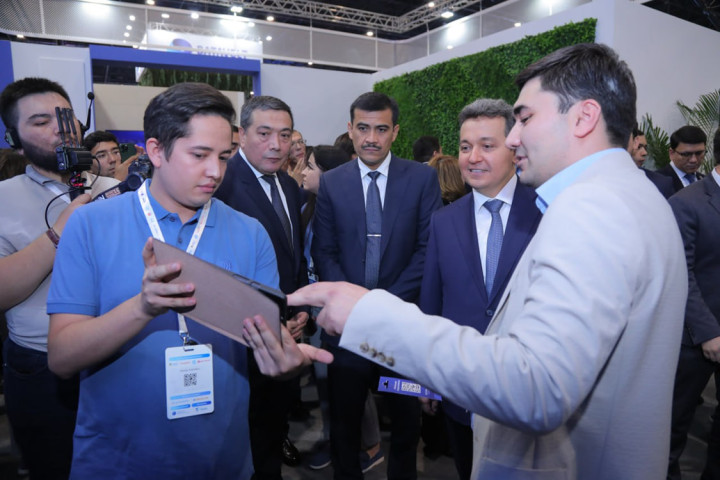
 |
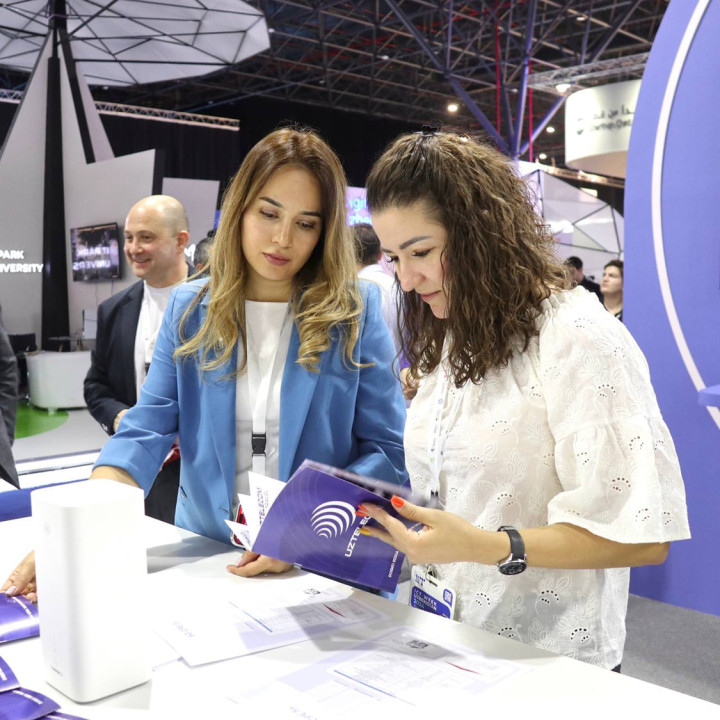 |
In addition, during ICT Week Uzbekistan 2024, 5.5G network technology was piloted in cooperation with UZTELECOM and Huawei, with TUIT contributing technical expertise to the development and testing of advanced telecommunications infrastructure.
Education & Students
TUIT contributes to SDG 9 most directly through the education of specialists who are able to design, maintain, and improve modern digital and industrial infrastructure. The University offers more than 30 bachelor’s and master’s specialisations, including Software Engineering, Cybersecurity, Computer Engineering, Telecommunications, Artificial Intelligence, Applied Mathematics, Electrical Engineering, Information Systems, and related ICT disciplines. These academic programmes are aligned with the needs of Uzbekistan’s digital economy and provide students with the knowledge required for employment in high-demand technology sectors.
Education fields and specialisations — TUIT official
 |
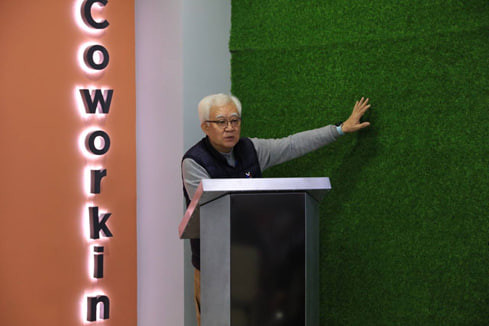 |
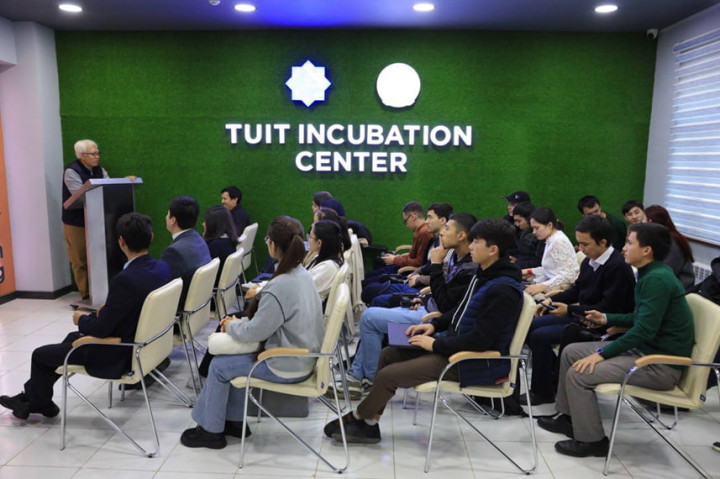
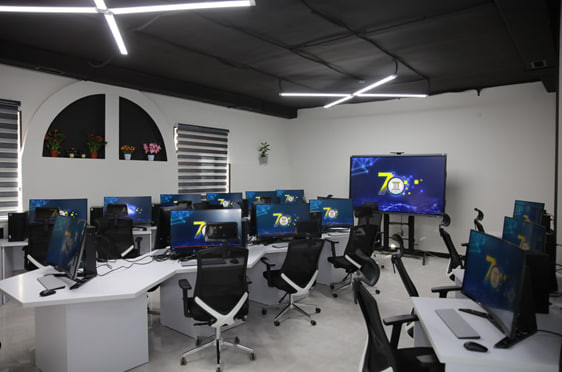
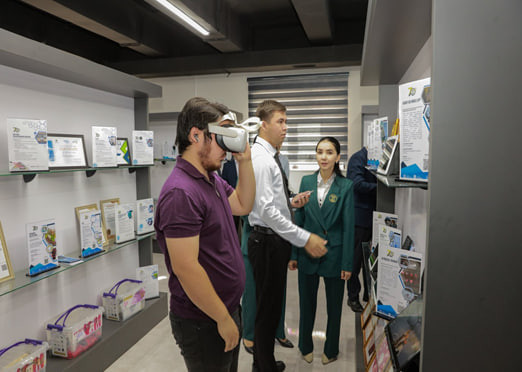
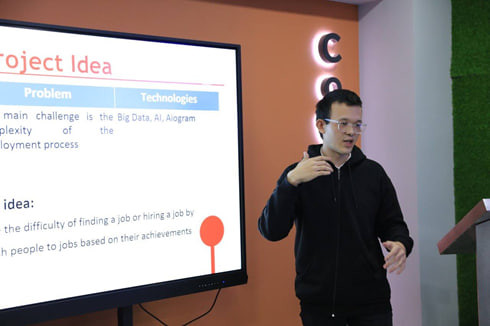
The University’s learning environment combines theoretical instruction with laboratory-based and project-based education. Students are trained in programming, computer networks, cybersecurity, automation, telecommunications, applied digital technologies, and engineering systems. This practical orientation is important because SDG 9 requires not only knowledge creation, but also the development of people who can apply that knowledge to real infrastructure, industrial, and technological problems. Through laboratories, innovation spaces, and applied learning activities, TUIT helps students move from classroom understanding to technical implementation.
 |
 |
During the reporting period, TUIT also supported students through international professional certification programmes and digital skills training. Students participated in Microsoft Azure, AI Fundamentals, and other professional learning pathways designed to complement formal academic programmes with globally recognized competencies. These initiatives strengthen graduate employability and help prepare students for work in cloud computing, artificial intelligence, enterprise systems, and modern digital infrastructure.
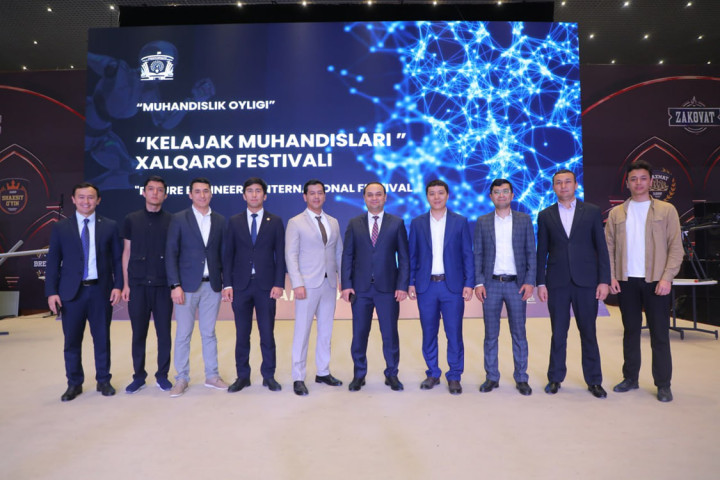
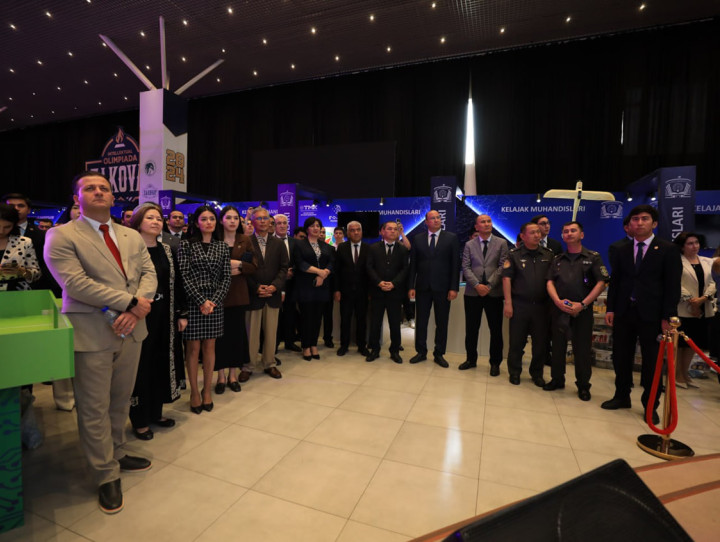
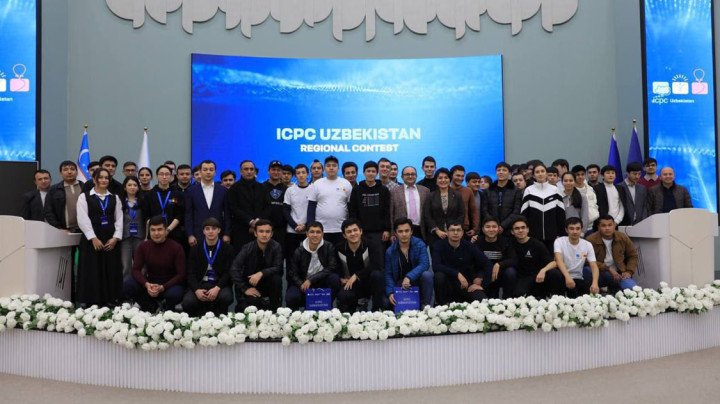
Student participation in competitions, exhibitions, hackathons, programming contests, and innovation events also contributed to SDG 9. The “Kelajak texnologiyalari” innovation exhibition, held in March 2025, provided a platform for bachelor’s, master’s, and doctoral students to present applied technology projects. TUIT students and teams also participated in national and international programming contests, cybersecurity competitions, startup events, and digital technology competitions. These activities support creativity, technical confidence, teamwork, and problem-solving skills, all of which are essential for innovation-led infrastructure development.
Community & Partnerships
TUIT’s SDG 9 contribution is strengthened through partnerships with government agencies, technology companies, industry actors, and innovation ecosystem organizations. Cooperation with Huawei has supported areas such as 5.5G network testing, youth innovation programmes, and technology-related competitions. These partnerships help connect university education and research with real industry needs, allowing students and faculty to engage with current technologies rather than only theoretical models.
 |
 |
 |
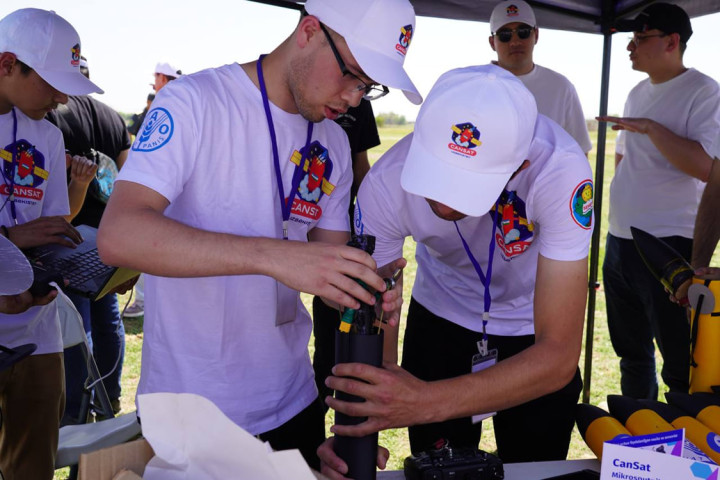 |
The University also cooperates with organizations such as IT Park Uzbekistan, UzCosmos, UZTELECOM, and Schneider Electric. IT Park Uzbekistan supports startup commercialization and innovation pathways for students and graduates, while UzCosmos cooperation is connected with CanSat and student satellite-related activities. UZTELECOM and Huawei cooperation in 5.5G technology demonstrates TUIT’s relevance to national telecommunications modernization. Schneider Electric engagement supports industry curriculum alignment, employer interaction, and students’ understanding of modern engineering and technology-sector requirements.
CanSat Uzbekistan-2025 — UzCosmos partnership
TUIT’s participation in the broader startup and innovation ecosystem also supports SDG 9. Through the “Startup Uzbekistan” Forum and cooperation with the Ministry of Digital Technologies and corporate partners, the University contributes to the development of a stronger innovation environment in Uzbekistan. These activities are important because innovation becomes sustainable when universities, government, industry, investors, and students work together to transform technical ideas into practical solutions.
The wider community impact of TUIT’s SDG 9 activity can be seen in the sectors where its graduates and projects are applied. The University prepares specialists for telecommunications, e-government, fintech, cybersecurity, smart infrastructure, digital education, public administration systems, and technology-based entrepreneurship. In this way, TUIT’s contribution goes beyond campus boundaries and supports the country’s long-term capacity for resilient infrastructure, industrial modernization, and digital innovation.
Key Results
|
Indicator |
Result |
|
Scopus articles (SDG 9) |
1,607 (69.7% of total) |
|
Total Scopus articles (all SDGs) |
2,306 |
|
THE Impact Ranking 2025 |
TOP 1000 globally |
|
First AI graduates in Uzbekistan |
May 2025 |
|
CanSat first satellite launch (Uzbekistan HE) |
February 2025 |
|
International cybersecurity competition (STANDOFF 15) |
Top performer |
|
Specialisations offered |
30+ |
Overall, during the 2024–2025 academic year, TUIT contributed to SDG 9 through advanced technical education, strong research output, AI and engineering capacity building, laboratory-based learning, student innovation, cybersecurity achievement, satellite technology participation, telecommunications modernization, startup ecosystem development, and industry partnerships. Taken together, these activities show that TUIT plays a significant role in preparing the specialists, technologies, and partnerships needed for sustainable industrial development and digital infrastructure in Uzbekistan.