
SDG 2: Zero Hunger
Overview
TUIT treats food security as a matter of dignity, health, academic performance, and responsible
resource management. During 2024–2025, the University strengthened its contribution to SDG 2 through free meals for vulnerable students, affordable and inclusive campus dining, structured food waste management with measurable outcomes, support for staff welfare, and innovation linked to agricultural technology and smart farming.
Research & Innovation
TUIT contributes to SDG 2 through technology-driven agricultural innovation. A faculty project led by Dr. M. Mirzayeva titled "Revolutionizing Agriculture: Remote Farm Plot Management Through
Innovative Software" develops digital systems allowing farmers to remotely manage cultivation processes and monitor agricultural plots, improving food productivity through ICT. Additionally,
TUIT faculty conducted an experiment in Yuqori Chirchiq district, Tashkent region, generating electricity using a watermill from an irrigation canal — producing up to 2 kWh per hour, sufficient to power one household. https://t.me/tuituz_official/21938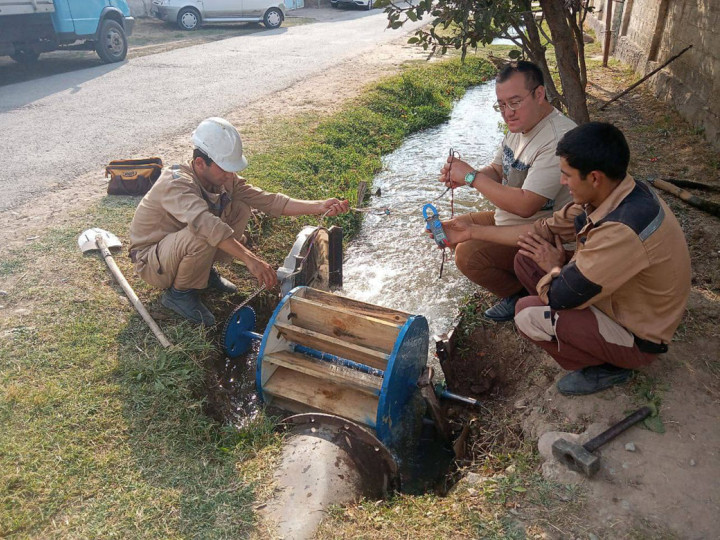
The University’s Scopus portfolio includes 54 articles (2.3%) classified under SDG 2, covering agri-tech, digital agriculture, and smart farming innovations. Source.
Education & Students
- 523 students from low-income families and households that have lost primary breadwinners receive complimentary meals in campus cafeterias
- Regular social condition assessments identify students requiring food assistance
- TUIT allocates approximately 120,450,000 UZS annually for food products for students in need
- Three campus kitchens serve national, European, and Korean cuisine to support domestic and international student needs
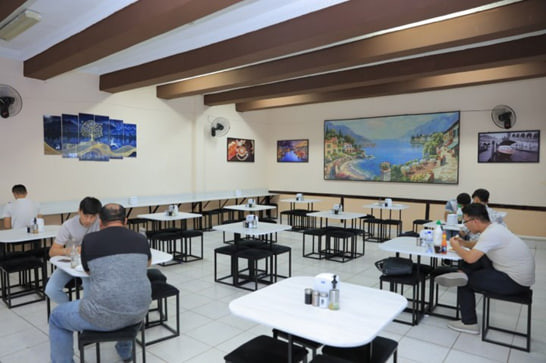
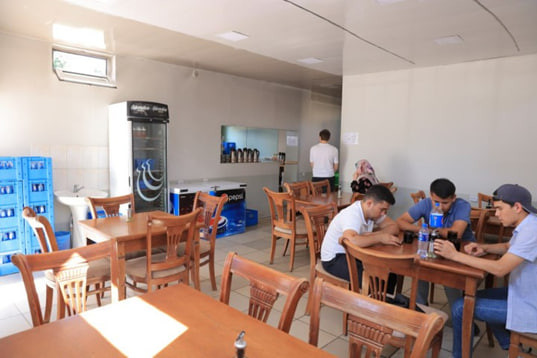
- Vegetarian meal options are available across dining spaces
- Different price categories ensure affordability across varying income levels
Community & Partnerships
- Food waste from the main campus cafeteria is separated at source and collected weekly in cooperation with Taste Point, a local waste management company
- Collected food waste is transported to Oqtosh village (~100 km from Tashkent) and reused as animal feed for local livestock farmers — converting cafeteria waste into productive agricultural input
- Food assistance is also provided to vulnerable support staff including cleaners, janitors, workers with large families, and pensioners
- The "Kelajak texnologiyalari" innovation exhibition (March 2025) provided a platform for student food and agricultural technology projects. https://t.me/tuituz_official/25013
Key Results
|
Indicator |
Result |
|
Students receiving free meals |
523 |
|
Annual food assistance budget |
120,450,000 UZS |
|
Monthly food waste collected (Jan–Dec 2024 avg.) |
1,108 kg |
|
Food waste partnership |
Taste Point / Oqtosh village |
|
Campus kitchens |
3 (national, European, Korean) |
|
Scopus articles (SDG 2) |
54 (2.3% of total) |