
SDG 15: Life on Land
Overview
Tashkent University of Information Technologies named after Muhammad al-Khwarizmi contributes to Sustainable Development Goal 15 through campus greening, ecology education, responsible land and waste management, climate awareness, and student engagement in environmental stewardship. Although TUIT is primarily an ICT-focused university, its sustainability activities show that technology education and environmental responsibility can be developed together. The University’s contribution to Life on Land is especially visible through its participation in Uzbekistan’s national “Yashil Makon” Green Space initiative, campus planting activities, environmental education, and community cleanup efforts.
 |
 |
During the 2024–2025 academic year, TUIT promoted the protection of terrestrial ecosystems by educating students about biodiversity, land degradation, desertification, soil erosion, habitat protection, and sustainable land use. These topics are particularly relevant for Uzbekistan, where land degradation, water scarcity, desertification, and pressure on ecosystems remain serious environmental challenges. By integrating ecological awareness into student education and campus life, TUIT helps prepare future ICT professionals who understand the connection between technology, infrastructure, land use, and environmental sustainability.
 |
 |
TUIT’s SDG 15 contribution is also connected to responsible institutional behaviour. Campus greening, tree planting, clean territory campaigns, waste discipline, and responsible management of shared spaces create a more sustainable university environment. These actions show that Life on Land is not only a matter of national parks or forests, but also of how institutions manage their campuses, educate their communities, and participate in local environmental improvement.
Research & Innovation
TUIT’s Scopus-indexed research portfolio includes 5 articles classified under SDG 15, representing 0.2% of the University’s total SDG-related Scopus output. These publications are connected with areas such as terrestrial ecosystem monitoring, forest fire analysis, soil sciences, biodiversity informatics, and digital environmental observation. Although SDG 15 is a relatively small part of TUIT’s publication portfolio, it is closely linked to the University’s broader ICT capabilities in data systems, remote sensing, environmental monitoring, automation, and analytical technologies.
As a technology university, TUIT has strong potential to support Life on Land through digital environmental monitoring. Tools such as GIS, remote sensing, land-use analytics, pollution detection systems, sensor networks, and ecosystem data dashboards can help public institutions and communities better understand changes in land cover, soil conditions, vegetation, biodiversity, and environmental risks. These technologies are increasingly important for managing terrestrial ecosystems because effective land protection requires reliable data, early-warning systems, and evidence-based decision-making.
 |
 |
 |
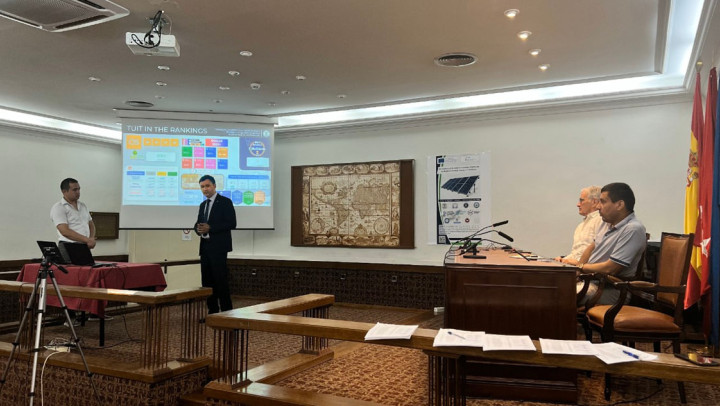 |
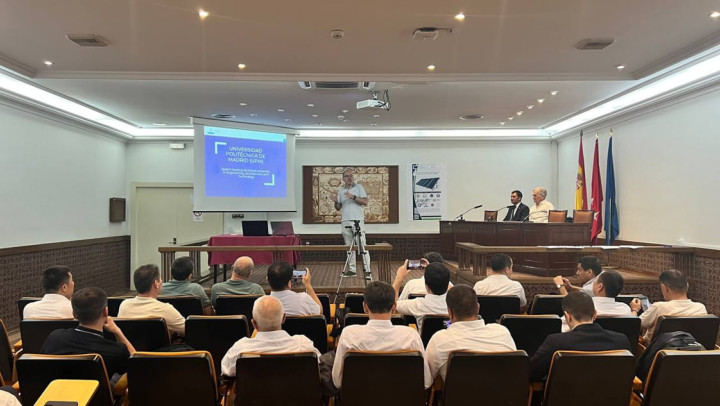
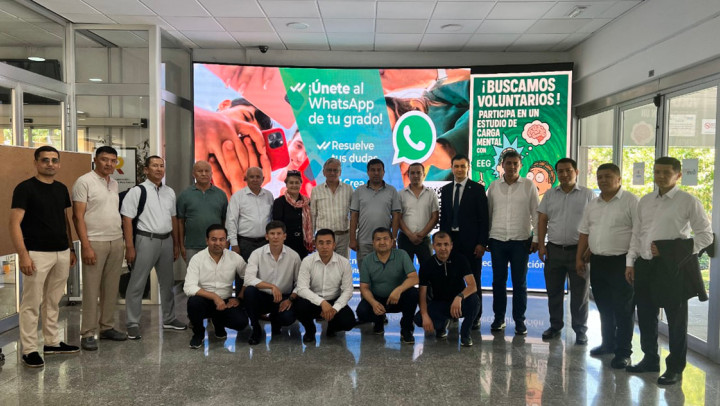
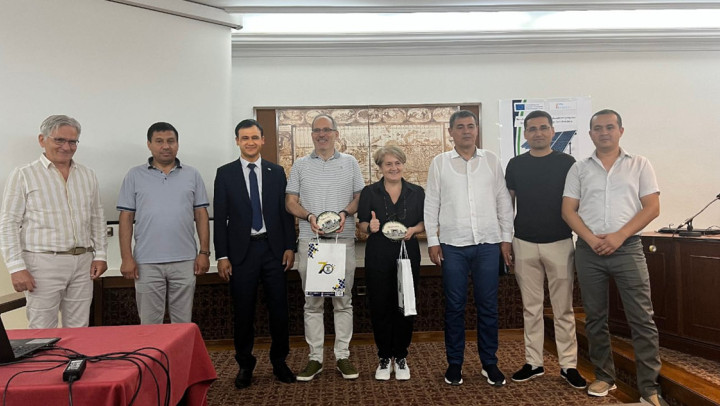
The University’s wider sustainability and energy-related projects also contribute indirectly to SDG 15. The ERASMUS+ DEBSEUz project on solar energy supports clean energy capacity building and helps reduce dependence on fossil-fuel-based energy systems. While this project is more directly linked to SDG 7 and SDG 13, it is also relevant to SDG 15 because renewable energy transition can reduce environmental pressure associated with extraction, pollution, and land disturbance. Through this type of international project, TUIT strengthens the connection between engineering education and environmental sustainability.
TUIT’s innovation environment also encourages students to think about sustainability-related challenges. Student exhibitions, startup activities, and green technology opportunities create space for ideas that can contribute to more responsible land use, environmental monitoring, waste reduction, and resource efficiency. In this sense, TUIT’s contribution to SDG 15 is not limited to ecology alone; it also includes the development of digital and engineering skills that can later be applied to land protection and environmental management.
Education & Students
Education is one of TUIT’s strongest contributions to SDG 15. The University’s mandatory Ecology curriculum covers terrestrial ecosystems, biodiversity, habitat protection, sustainable land use, pollution prevention, and environmental responsibility. This ensures that students in ICT, engineering, telecommunications, artificial intelligence, software engineering, and related fields receive a foundation in ecological thinking. Such education is important because future technology professionals will design systems that influence infrastructure, production, resource use, urban development, and environmental impact.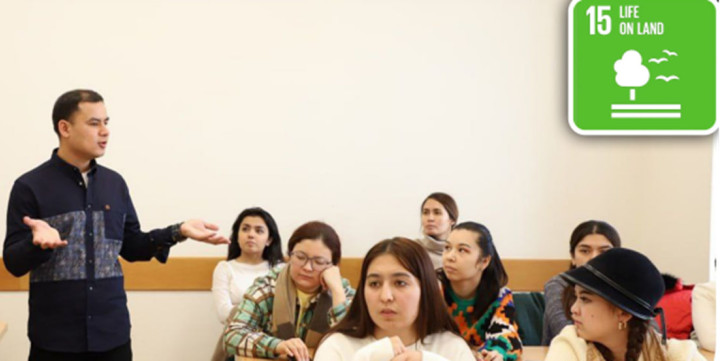
Students are also introduced to environmental threats that are particularly relevant to Uzbekistan, including desertification, land degradation, water scarcity, and soil erosion. These issues directly affect communities, agriculture, biodiversity, and long-term sustainable development. By connecting ecological education with national environmental realities, TUIT helps students understand that Life on Land is not an abstract global topic, but a practical concern for Uzbekistan’s future.
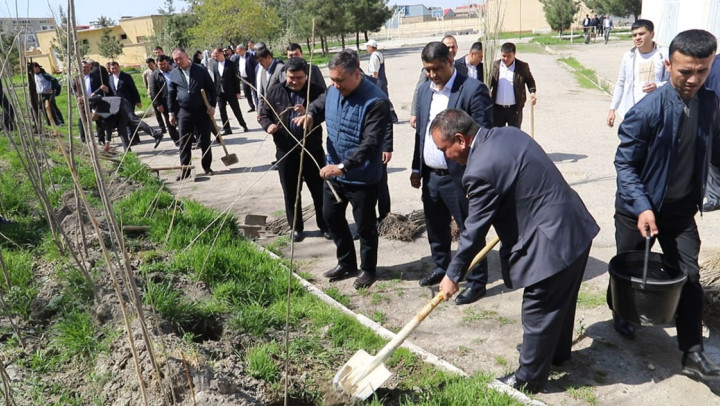
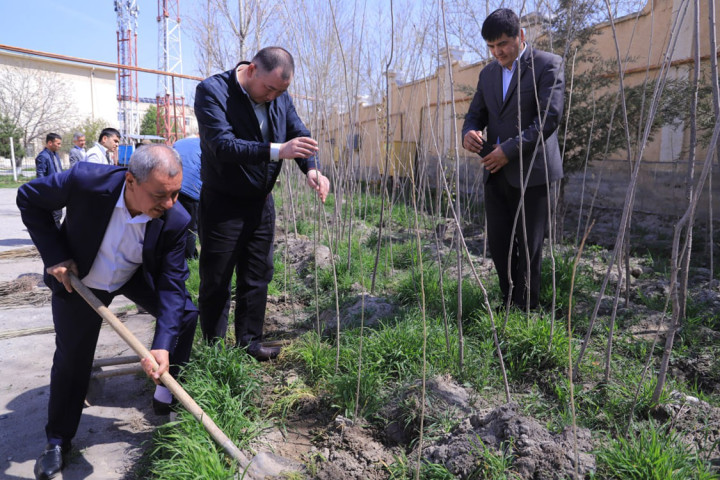
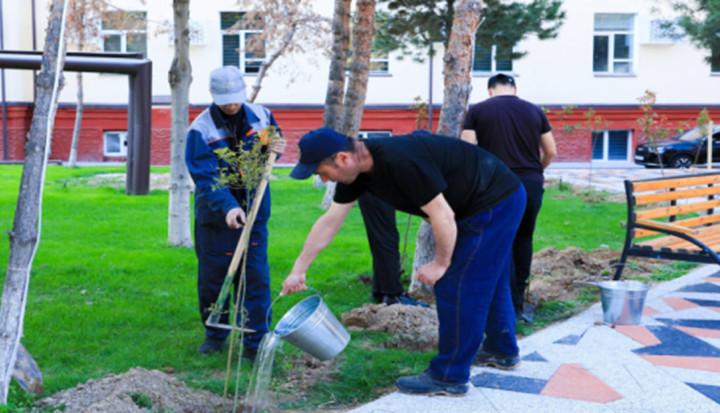
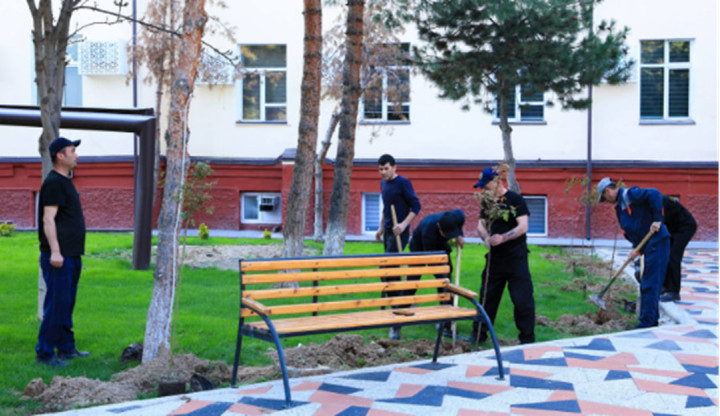
TUIT’s participation in the “Yashil Makon” campaign also supports student environmental learning. In May 2025, members of the university community participated in planting ornamental and fruit trees in campus areas. This activity helps students connect classroom knowledge with practical environmental action. Tree planting contributes to greener campus spaces, improves local environmental quality, and encourages students to take responsibility for the land and public spaces around them.
 |
 |
The student public group “QALQON” also supports responsible land care in dormitories, campus areas, and surrounding community zones. Its activities promote cleanliness, order, and environmental responsibility among students. This is relevant to SDG 15 because protecting terrestrial ecosystems begins with responsible everyday behaviour: keeping public spaces clean, preventing unmanaged waste, respecting planted areas, and maintaining shared environments.
 |
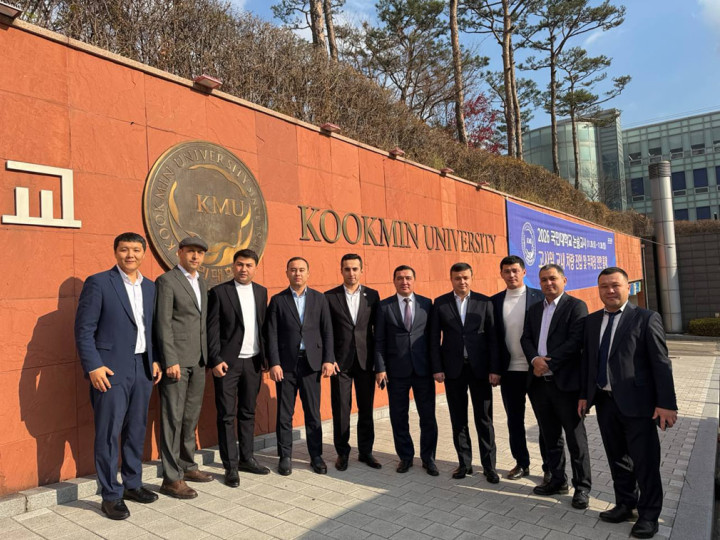 |
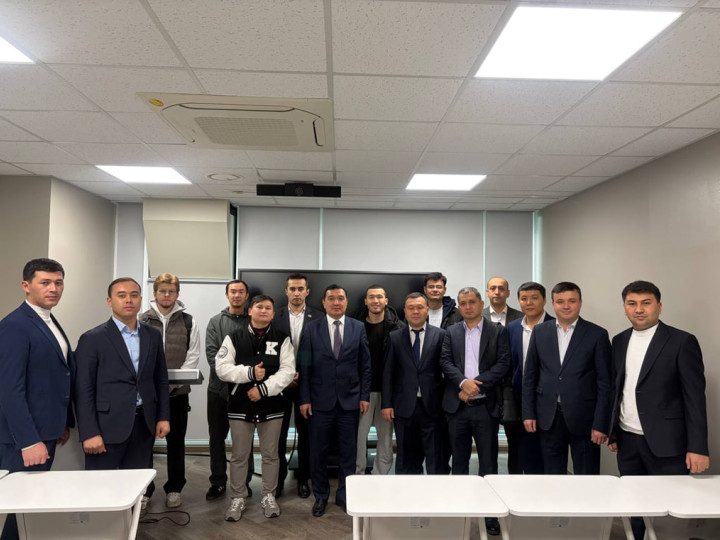
TUIT’s international education links also support the broader sustainability agenda. The institutional materials mention three KOICA-funded TUIT graduates studying at Kookmin University in Seoul, with some projects connected to environmental sustainability components. This point should be used carefully unless project-level evidence is available, but it does show that international academic cooperation can help strengthen sustainability-related capacity among TUIT graduates.
KOICA–Kookmin University partnership with TUIT
Community & Partnerships
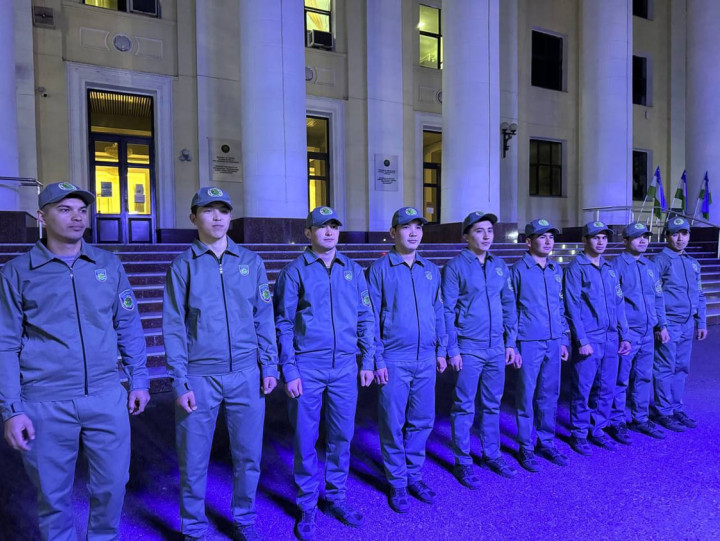
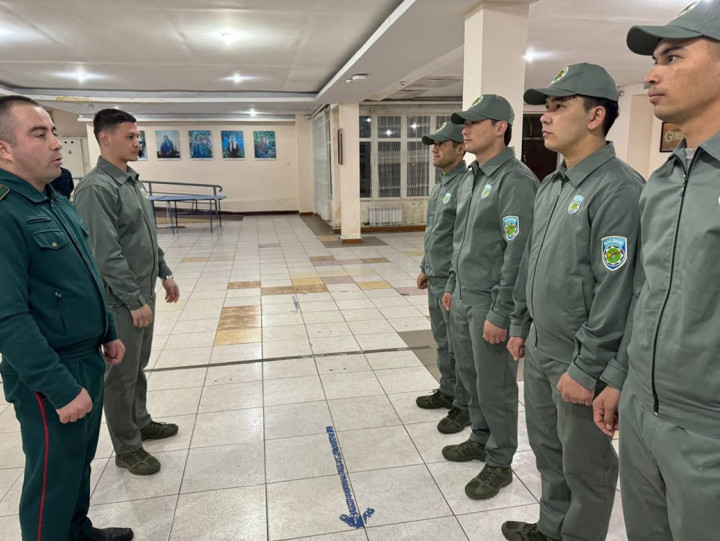
TUIT’s most visible community-level contribution to SDG 15 is its participation in the national “Yashil Makon” Green Space initiative. During the reporting period, TUIT planted more than 600 ornamental and fruit trees in Yunusobod district, Tashkent, and in campus areas. This contribution supports Uzbekistan’s wider green corridor and urban greening agenda. Tree planting is directly relevant to Life on Land because it supports vegetation cover, improves public spaces, strengthens environmental awareness, and contributes to more sustainable local ecosystems.
 |
 |
 |
 |
https://t.me/tuituz_official/26864
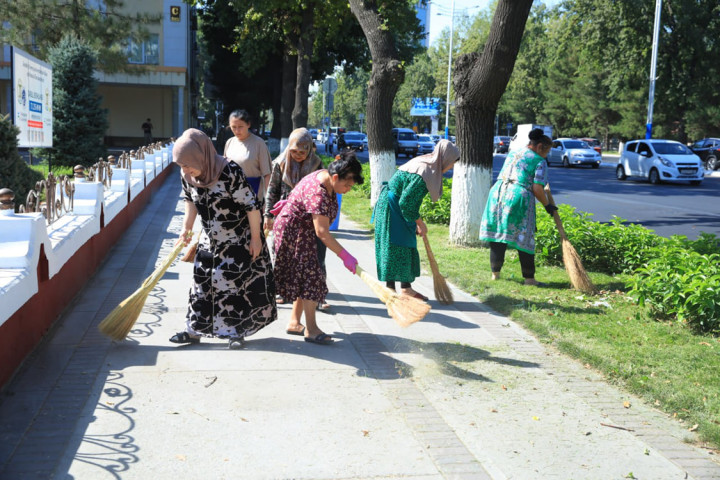
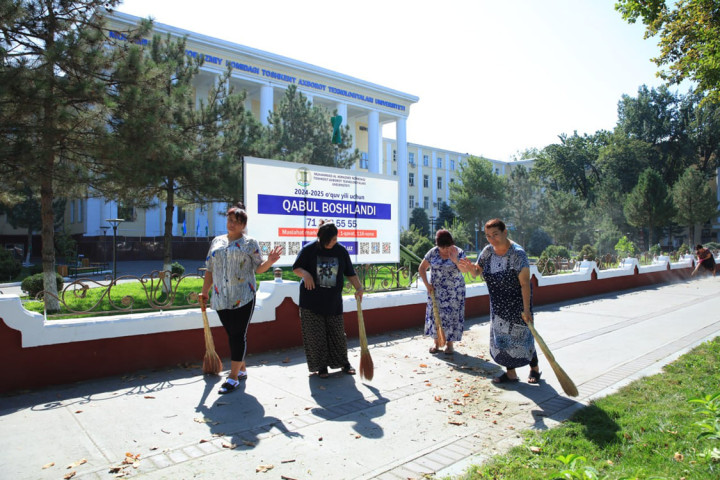
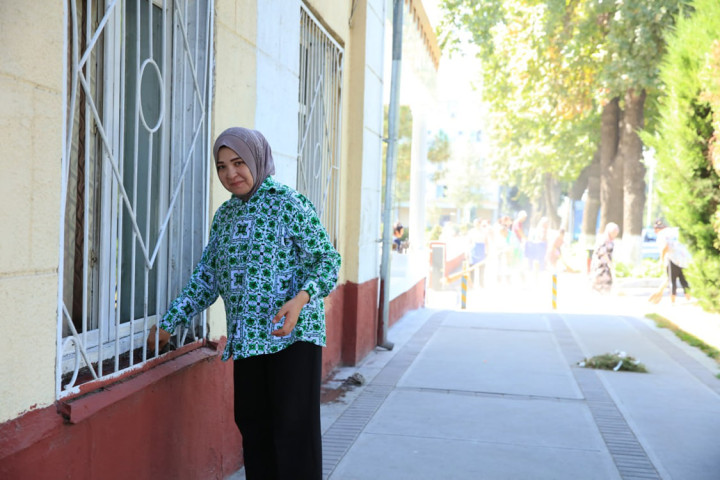
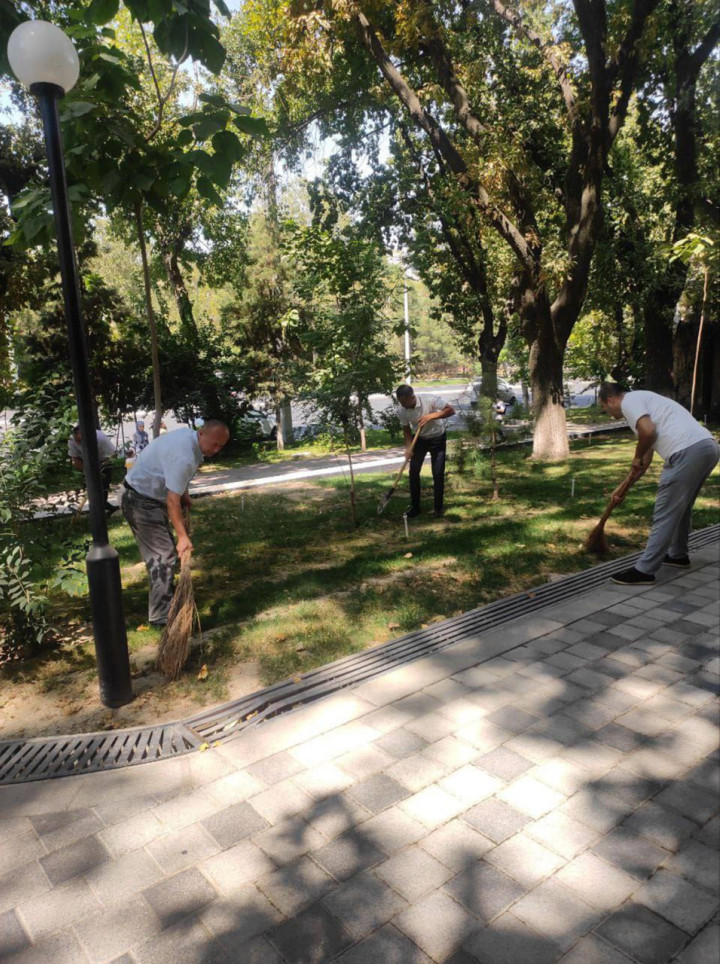
The University also participated in the national “Mahalla obod — yurt obod” community cleanup initiative in August 2024. Through this subbotnik, TUIT staff and students contributed to maintaining cleaner public spaces and improving local environmental conditions. Such activities support SDG 15 because responsible land management depends not only on formal environmental policy, but also on community participation, cleanliness, and care for shared spaces.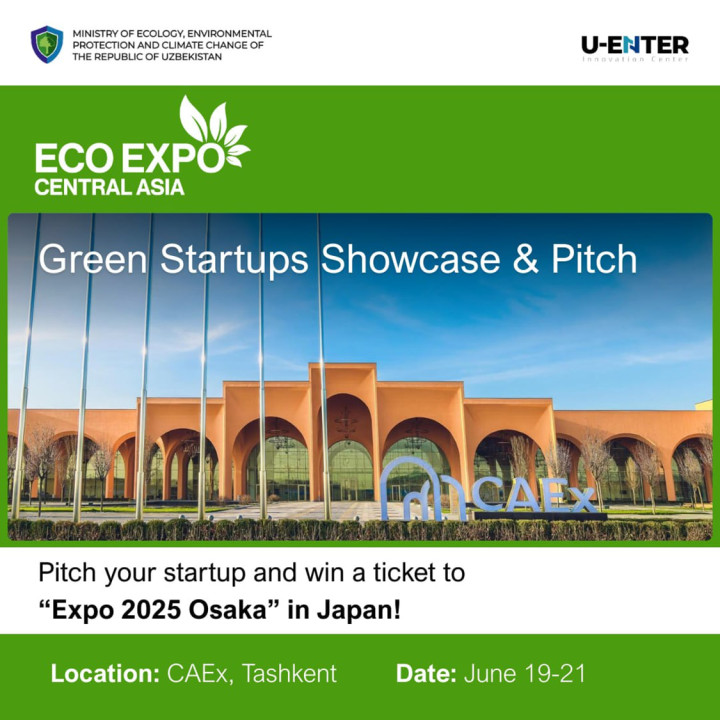
https://t.me/tuituz_official/25938
Institutional materials also indicate that TUIT was connected with Eco Expo Central Asia 2025, where green technology startups had opportunities to participate in exhibitions and potentially qualify for Japan-related green innovation showcases. This initiative is relevant to SDG 15 because green technology entrepreneurship can support more efficient resource use, better environmental monitoring, and practical solutions for ecosystem protection. However, because the current evidence file marks TUIT’s specific Eco Expo participation as requiring an official source, this point should be supported with a verified announcement or used cautiously in the final report.
 |
 |
 |
https://t.me/tuituz_official/26701
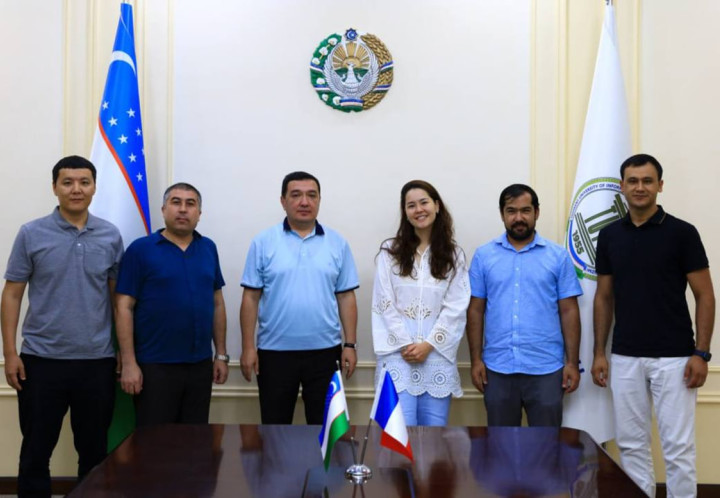
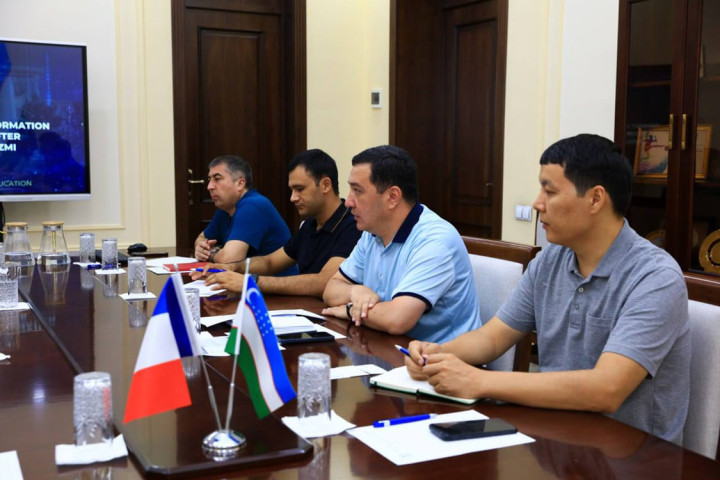
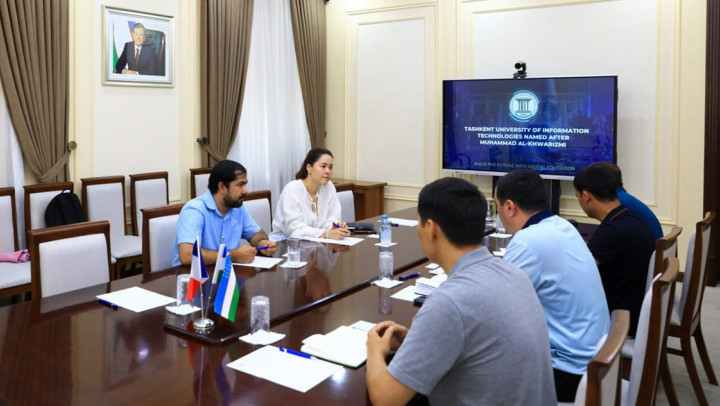
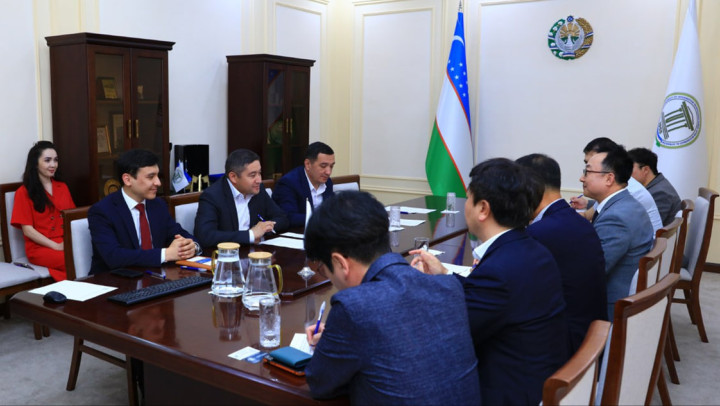
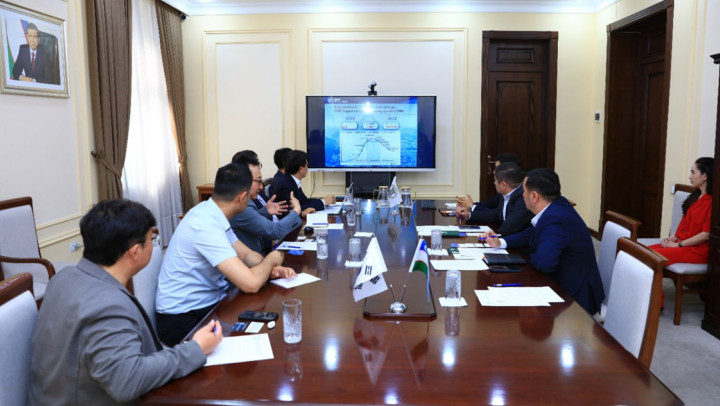
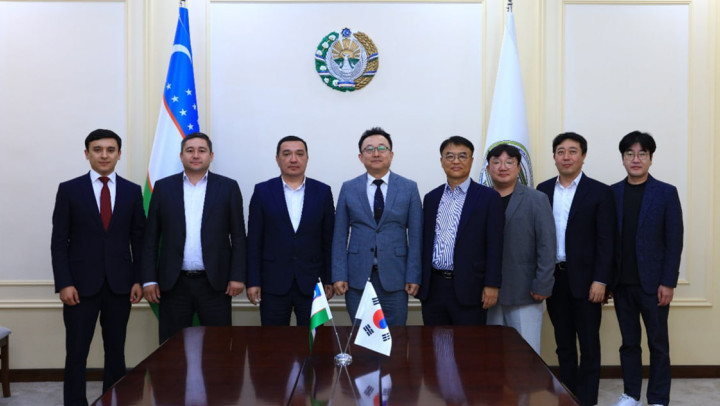
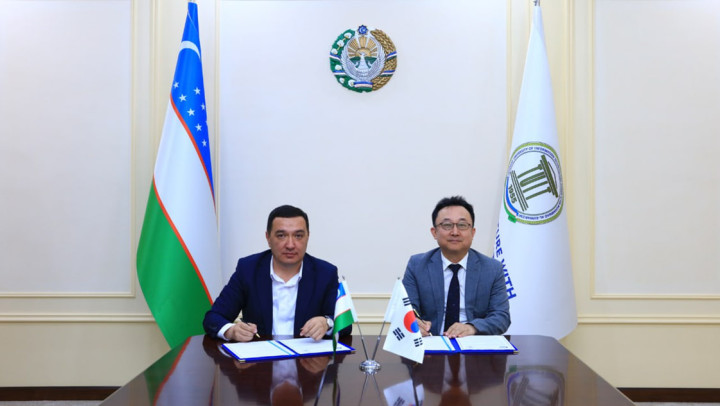
International partnerships also support TUIT’s environmental and land-related capacity. The France Expertise France C4CA delegation visited TUIT in July 2025 to discuss digital connectivity and infrastructure cooperation. While this partnership is broader than SDG 15, digital connectivity can support better land management systems, environmental data platforms, and monitoring infrastructure when applied to sustainability goals. Similarly, the reported Chongwan National University MOU from May 2025 is described as covering engineering and environmental sustainability research areas, but because the file marks this item as requiring source confirmation, it should be verified before being presented as a final confirmed partnership claim.
 |
 |
 |
 |
https://t.me/tuituz_official/25793
Through these initiatives, TUIT demonstrates that Life on Land can be supported by universities through a combination of education, student engagement, greening, clean territory campaigns, ICT-based monitoring capacity, and partnerships. The University’s activities help students and staff understand that terrestrial ecosystem protection begins with responsible institutional practice and extends into wider community behaviour.
Key Results
|
Indicator |
Result |
|
Scopus articles (SDG 15) |
5 (0.2% of total) |
|
Trees planted (Yashil Makon) |
600+ |
|
Community cleanup events |
Annual (Aug 2024) |
|
Eco Expo participation |
2025 |
|
South Korea MOU (Chongwan University) |
May 2025 |
|
Mandatory Ecology course |
Active |
Overall, during the 2024–2025 academic year, TUIT contributed to SDG 15 through campus greening, tree planting, ecology education, student environmental responsibility, community cleanup activities, digital environmental monitoring potential, and sustainability-oriented partnerships. These actions show that the University approaches Life on Land through both practical environmental care and technology-enabled capacity building. By combining ICT education with ecological awareness, TUIT helps prepare future professionals who can contribute to land protection, biodiversity monitoring, sustainable infrastructure, and responsible environmental management in Uzbekistan.