
SDG 14: Life Below Water
Overview
Tashkent University of Information Technologies named after Muhammad al-Khwarizmi contributes to Sustainable Development Goal 14 through environmental education, water conservation, digital monitoring solutions, and applied innovation related to water quality and pollution prevention. Since Uzbekistan is a landlocked country, TUIT’s contribution to SDG 14 is not focused on marine ecosystems in the traditional sense. Instead, the University’s activities are more accurately connected to the protection of freshwater systems, including rivers, canals, reservoirs, irrigation networks, groundwater, and aquatic ecosystems affected by pollution and inefficient water use.
During the 2024–2025 academic year, TUIT addressed SDG 14 through ICT-based approaches to water monitoring, student innovation projects, campus water management, and ecology education. This approach reflects the University’s core strengths in information technologies, engineering, data systems, and environmental awareness. In the context of Uzbekistan, where water scarcity and pollution prevention are major sustainability concerns, digital solutions for monitoring and managing water resources can make an important contribution to the protection of aquatic ecosystems.
TUIT’s SDG 14 contribution is also linked to responsible behaviour on land. Pollution entering rivers, canals, and reservoirs often begins from human activity in cities, campuses, industrial zones, and agricultural areas. For this reason, the University’s work in clean campus practices, water-saving awareness, ecological education, and student environmental responsibility is relevant to Life Below Water. By educating future ICT professionals to understand water-related environmental challenges, TUIT helps build the technical and ethical capacity needed for sustainable water management.
Research & Innovation
TUIT’s Scopus-indexed research portfolio includes 2 articles classified under SDG 14, representing 0.1% of the University’s total SDG-related Scopus output. Although this number is small, the University’s broader research and innovation activity in water monitoring, environmental sensing, digital management systems, and smart infrastructure is relevant to the protection of freshwater ecosystems. For TUIT, the strongest SDG 14 contribution comes not from marine science, but from applying ICT and engineering solutions to water quality, pollution detection, and resource monitoring.
https://t.me/tuituz_official/20734
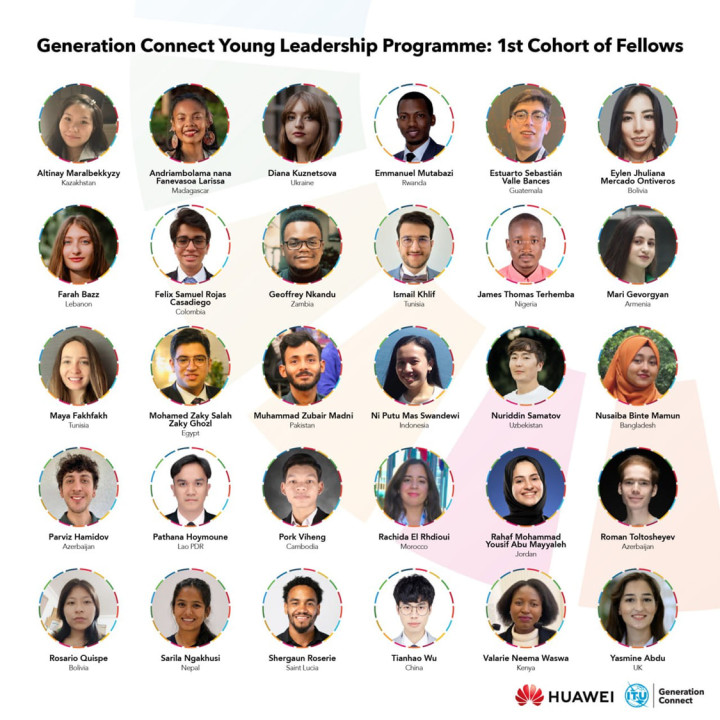
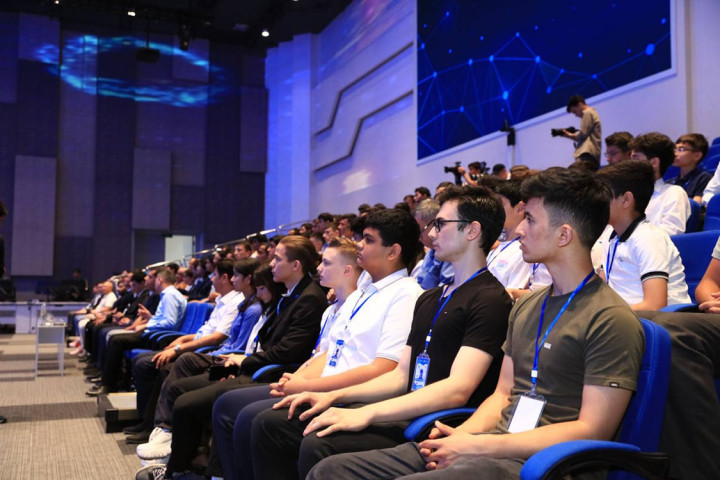
One of the most relevant examples described in the institutional materials is a student-led project by Nuriddin Samatov, presented through the ITU Generation Connect Youth Leaders Programme in Geneva in cooperation with Huawei. The project proposed an intelligent monitoring system designed to detect and prevent water pollution in river basins and irrigation canals. It also included early-warning mechanisms for industrial chemical discharge. This example is highly relevant to SDG 14 because it directly connects digital technologies, pollution prevention, and aquatic ecosystem protection. However, because the current evidence file marks this item as requiring an official source, it should be supported with a verified TUIT, ITU, Huawei, or programme link before final submission.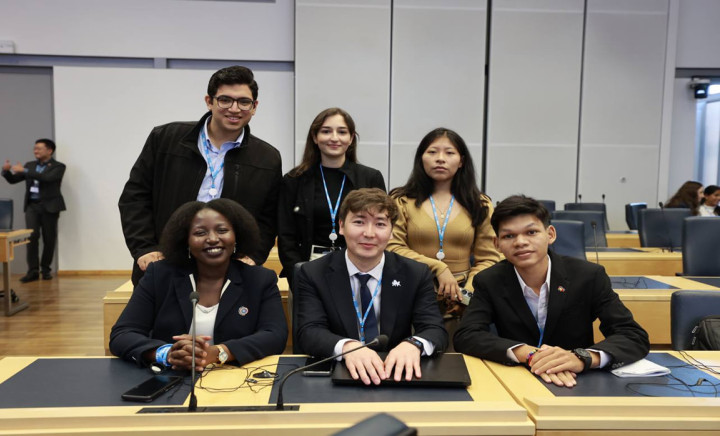
TUIT’s scientific activity materials also indicate patent- and invention-related work connected to water measurement and monitoring. Examples include an ultrasound method for determining water level, a device for measuring parameters of ground leaching water, an autonomous wireless sound sensor for determining liquid level in a well, and a method for measuring water level in a well. These inventions are not marine research projects, but they are relevant to SDG 14 because they strengthen technological capacity for monitoring freshwater, groundwater, and water infrastructure systems. Reliable measurement is an essential foundation for pollution control, water conservation, and evidence-based environmental management.
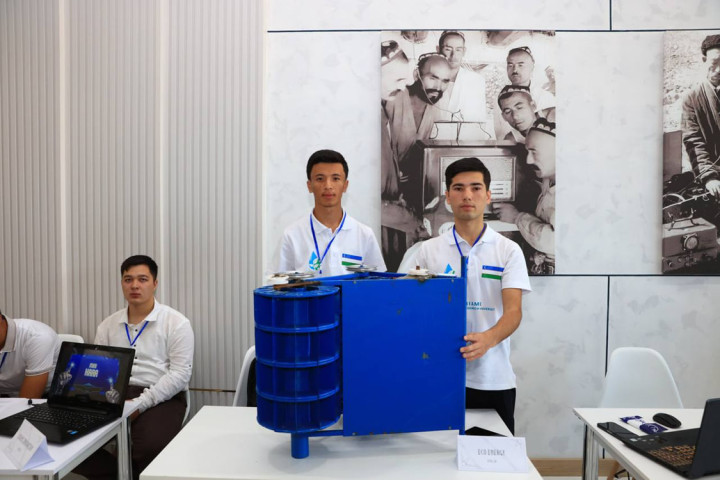
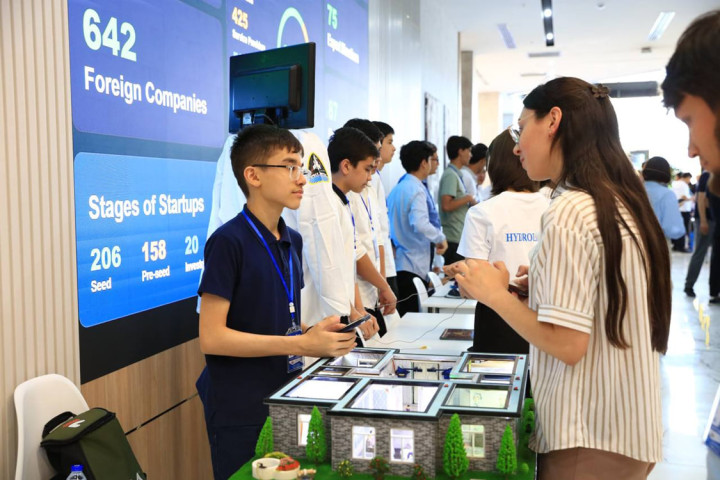
Another student innovation example is the “Rain Box” project developed by TUIT student Bahodir Qodirov within the “From Idea to Invention” initiative. The project is described as a rainwater collection and efficient storage system designed in response to water scarcity. Although it is more directly connected to water conservation and SDG 6, it also supports SDG 14 because careful freshwater management reduces pressure on aquatic systems and promotes more responsible use of water resources. As with the Samatov project, this example should be supported with additional official evidence before being used as a fully confirmed final claim.
Yosh ixtirochidan suvni tejash yechimi
https://tuit.uz/en/post/yangi-loyiha
https://tuit.uz/en/post/3i-idea-invention-and-innovation-talabalar-ishlanmalari-va-goyalari
 |
 |
 |
 |
https://t.me/tuituz_official/25734
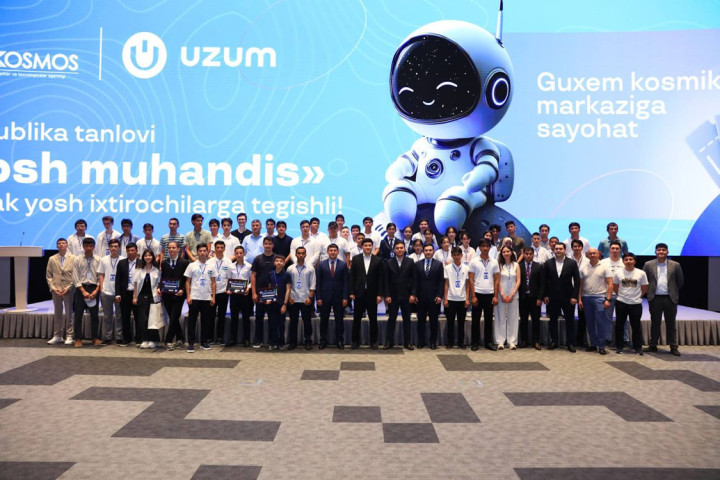
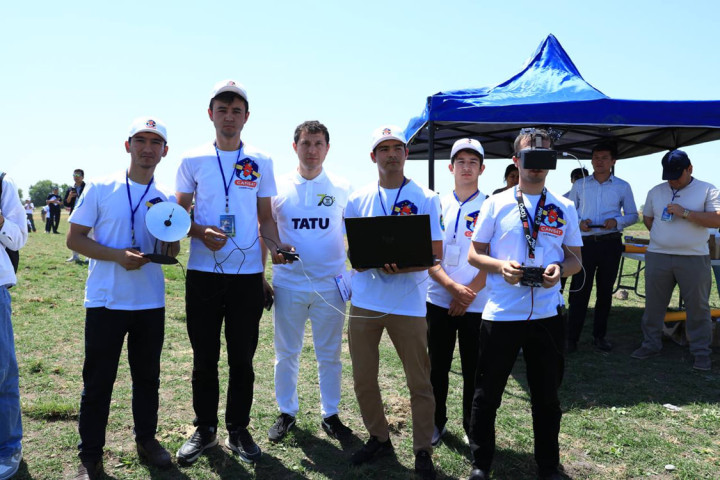
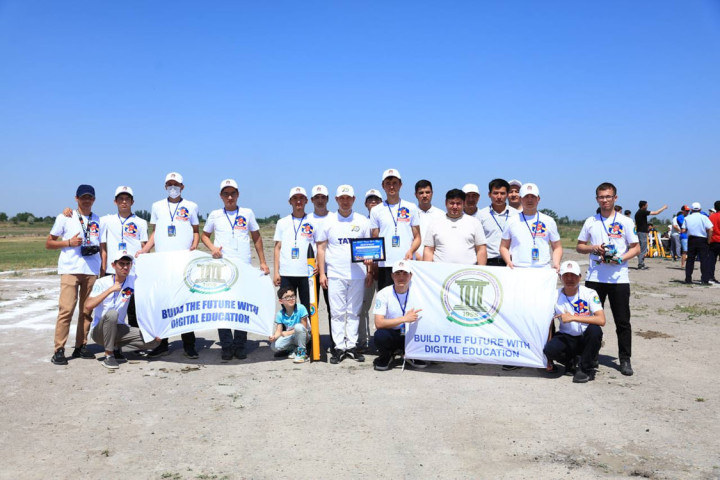
TUIT’s participation in CanSat Uzbekistan-2025 is also relevant to the University’s broader environmental monitoring capacity. In cooperation with UzCosmos and other partners, TUIT students worked with miniaturised satellite systems that can include sensors and data collection functions. While CanSat should not be presented as a dedicated SDG 14 project unless direct evidence confirms water-quality payloads, it is reasonable to connect the activity to the development of student skills in remote sensing, environmental monitoring, communication systems, and data processing. These competencies can later be applied to water and environmental protection systems.
Education & Students
Education is a central part of TUIT’s contribution to SDG 14. The University’s mandatory Ecology curriculum introduces students to water resource management, aquatic ecosystem protection, pollution prevention, ecosystem balance, and environmental responsibility. The course is taught as a structured academic subject using video lectures, electronic resources, presentations, practical tasks, and independent assignments. This ensures that students from technology and engineering backgrounds receive at least a basic understanding of environmental sustainability and the risks affecting natural systems.
The Ecology curriculum is important because future ICT professionals will design systems that influence infrastructure, industry, public administration, data management, and environmental monitoring. If these specialists understand water pollution, resource scarcity, ecosystem protection, and sustainability principles, they are better prepared to develop technologies that support responsible development rather than intensify environmental risks. In this sense, TUIT’s SDG 14 contribution is partly educational: it builds environmental awareness among students whose future work may affect water and ecological systems.
TUIT also supports SDG 14 through its Water Management Programme. According to institutional materials, the programme includes campus water consumption monitoring, infrastructure maintenance, water loss prevention, and the promotion of water-saving technologies among students and staff. These measures are directly relevant to responsible freshwater stewardship. By monitoring consumption and maintaining infrastructure, the University reduces avoidable water loss and demonstrates practical water conservation within its own institutional environment.
Campus water management also has an awareness-building role. Students and staff learn that water conservation is not only a national policy issue, but also a daily institutional responsibility. In laboratories, dormitories, dining facilities, and campus buildings, responsible use of water contributes to reduced pressure on wider water systems. This is especially important in Uzbekistan, where water scarcity and efficient irrigation management are major national concerns.
 |
 |
 |
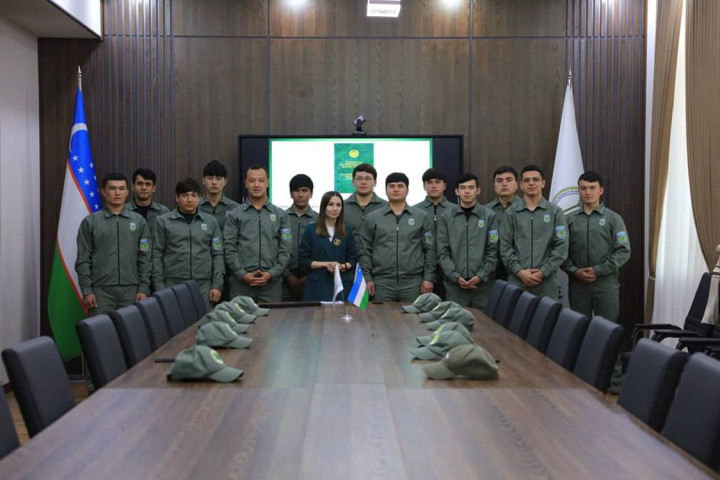 |
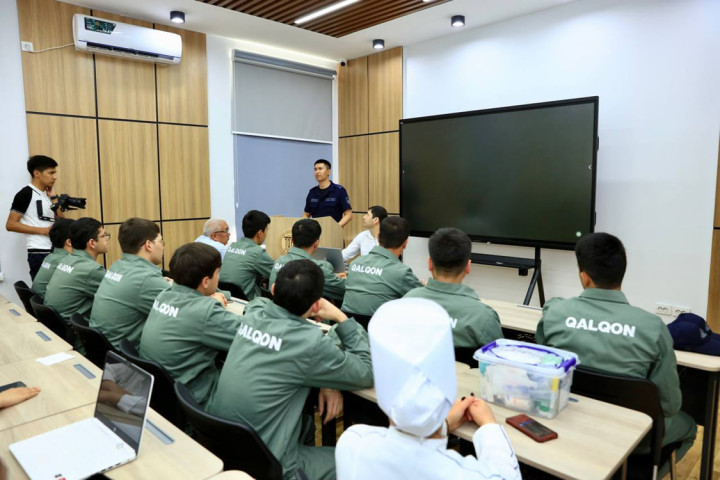
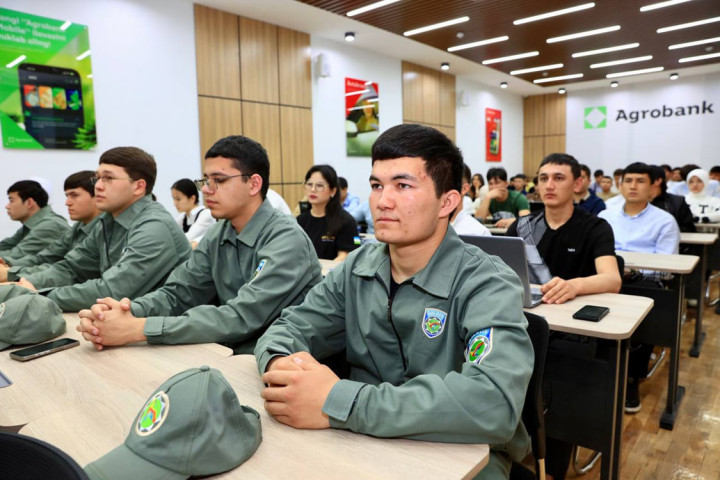
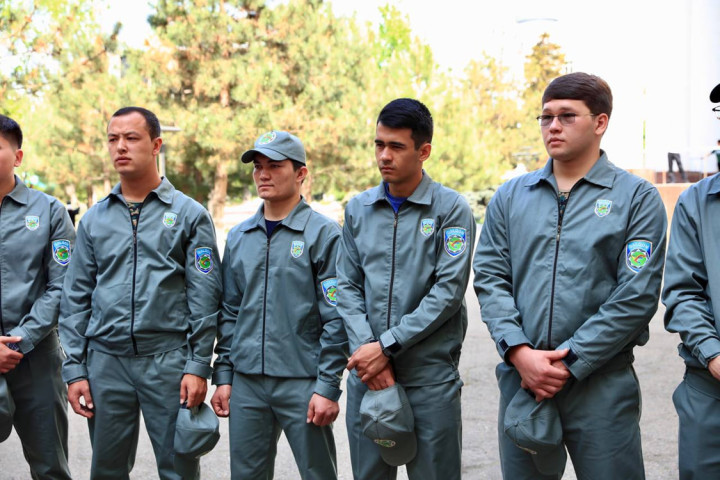
The student public group “QALQON” contributes to environmental responsibility by promoting cleanliness, order, and responsible behaviour in dormitories, campus areas, and surrounding community spaces. This is relevant to SDG 14 because pollution prevention begins with responsible practices on land. Clean campus culture, proper waste discipline, and environmental awareness reduce the likelihood of pollutants entering water systems and help students understand the connection between local behaviour and wider ecosystem health.
Community & Partnerships
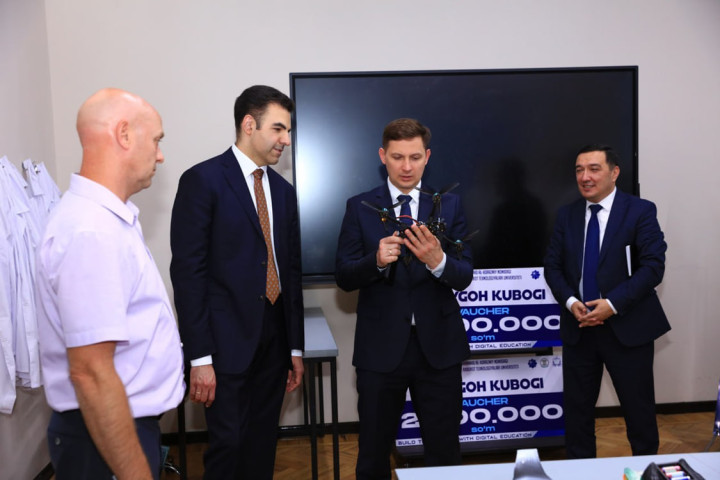
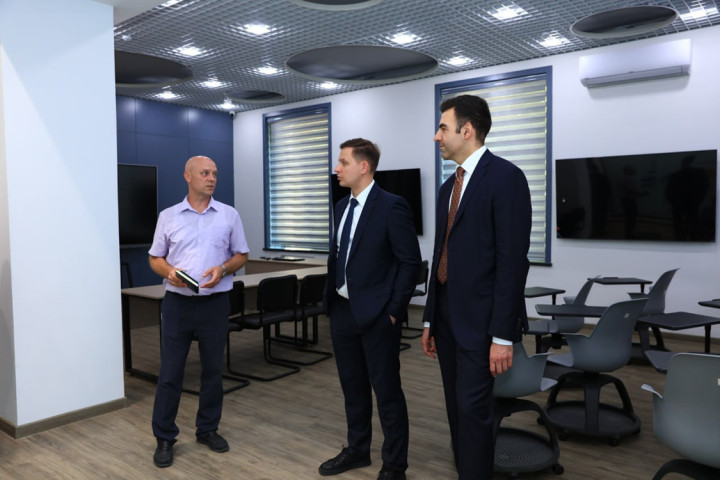
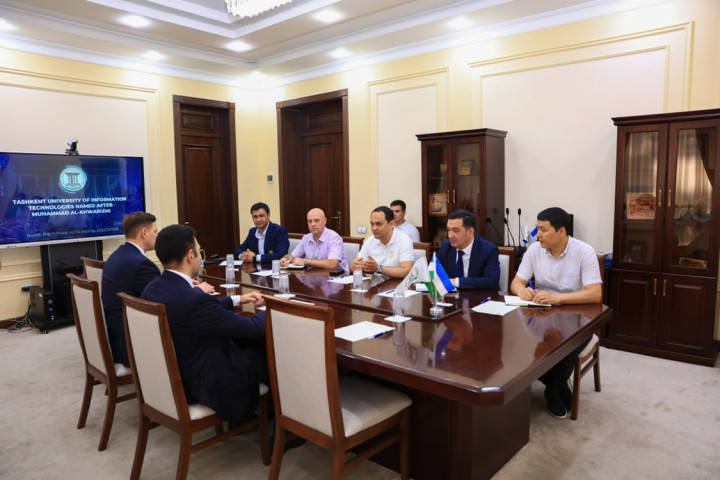
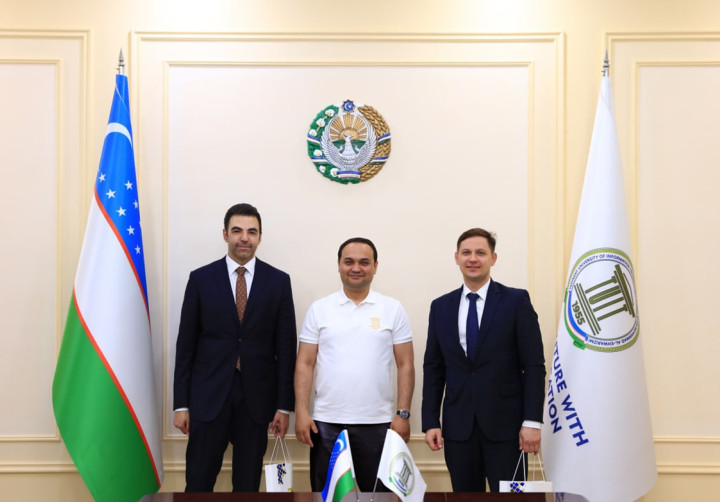
TUIT’s SDG 14 contribution is strengthened through partnerships and community-facing initiatives connected to water monitoring, environmental awareness, and responsible resource management. The ITU and Huawei Generation Connect programme provided an international platform for a TUIT student project focused on water pollution detection in river basins and irrigation canals. This partnership is important because it shows how student innovation from Uzbekistan can be connected with global digital development and environmental protection agendas.
 |
 |
 |
 |
https://t.me/tuituz_official/25899
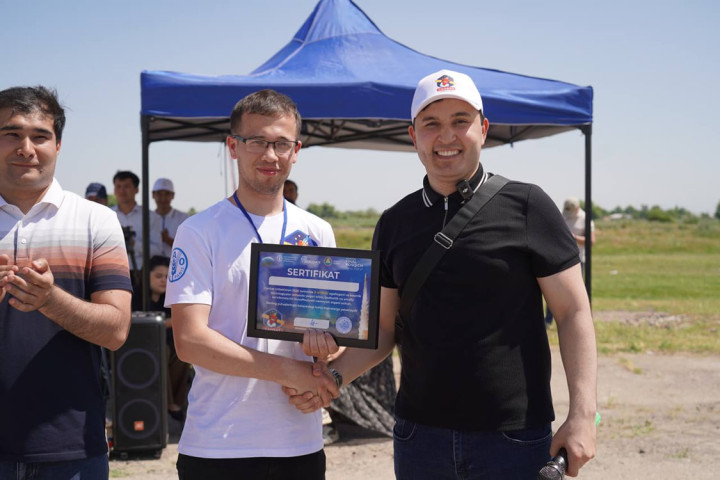
The University’s cooperation with UzCosmos through CanSat Uzbekistan-2025 also supports the development of environmental monitoring competencies. Satellite-based and sensor-based systems are increasingly important for observing water bodies, land use, pollution risks, and climate-related environmental changes. Even when student satellite projects are not exclusively designed for SDG 14, they help build practical skills in remote data collection and monitoring technologies that can be applied to freshwater and ecosystem protection in the future.
 |
 |
 |
TUIT’s Water Management Programme provides a community-level model of responsible freshwater use. By monitoring consumption, maintaining infrastructure, preventing losses, and promoting water-saving practices, the University demonstrates how large public institutions can manage water more responsibly. This example is relevant beyond campus because universities serve as demonstration spaces: students, staff, visitors, and partner organizations can observe and adopt more responsible approaches to water use.
TUIT’s broader environmental education and student engagement also benefit the surrounding community. When students participate in clean campus activities, environmental awareness campaigns, and sustainability-focused learning, they carry these practices into their families, workplaces, and communities. In this way, the University’s SDG 14 impact is not limited to technical research; it also supports a culture of pollution prevention and water responsibility.
Key Results
|
Indicator |
Result |
|
Scopus articles (SDG 14) |
2 (0.1% of total) |
|
ITU/Huawei water pollution detection project |
1 (student-led) |
|
Rainwater collection innovation |
1 (student-led) |
|
Water monitoring faculty patents |
4+ inventions |
|
Campus Water Management Programme |
Active |
|
Mandatory Ecology course |
Active |
Overall, during the 2024–2025 academic year, TUIT contributed to SDG 14 through freshwater-focused environmental education, campus water conservation, ICT-based water monitoring ideas, student innovation projects, water-related measurement technologies, and partnerships that support environmental monitoring capacity. Because Uzbekistan is landlocked, TUIT’s contribution is best understood as the protection of freshwater ecosystems rather than marine environments. By combining ecology education with digital monitoring, water-saving practices, and student innovation, the University supports more responsible management of rivers, canals, reservoirs, groundwater, and aquatic ecosystems.