
Sustainability
Этот раздел подготовлен на английском языке для THE Sustainability Impact Ratings 2027 (отчётный период: 2025 год). PDF-версии политик на узбекском языке доступны на странице «Policies».
SDG 7 Affordable and Clean Energy · Sustainability evidence 2025
Assistance for start-ups that foster a low-carbon economy
Evidence for the THE Sustainability Impact Ratings 2027 · Indicator 7.4.5 · Reference period: calendar year 2025
Tashkent University of Information Technologies named after Muhammad al-Khwarizmi helps start-ups that support a low-carbon economy. The TUIT Incubation Center gives clean-energy and energy-efficiency teams mentoring, laboratory access and grant funding, and the Department of Energy Supply Systems provides technical advice.
- Scope
- TUIT main campus in Tashkent. Figures cover the main campus; activities of the regional branches (Fergana, Nukus, Samarkand, Nurafshon, and Urgench, which joined Urgench State University in 2025) are mentioned where TUIT took part. Activities described took place at the main campus unless a branch is named.
- Period
- Calendar year 2025 (1 January – 31 December 2025)
- Responsible unit
- TUIT Incubation Center; Department of Energy Supply Systems
How we help
- Mentoring by staff of the Department of Energy Supply Systems.
- Access to laboratories and to the University’s rooftop solar installation for testing.
- Grants from the University’s annual start-up fund (300–500 million soums a year).
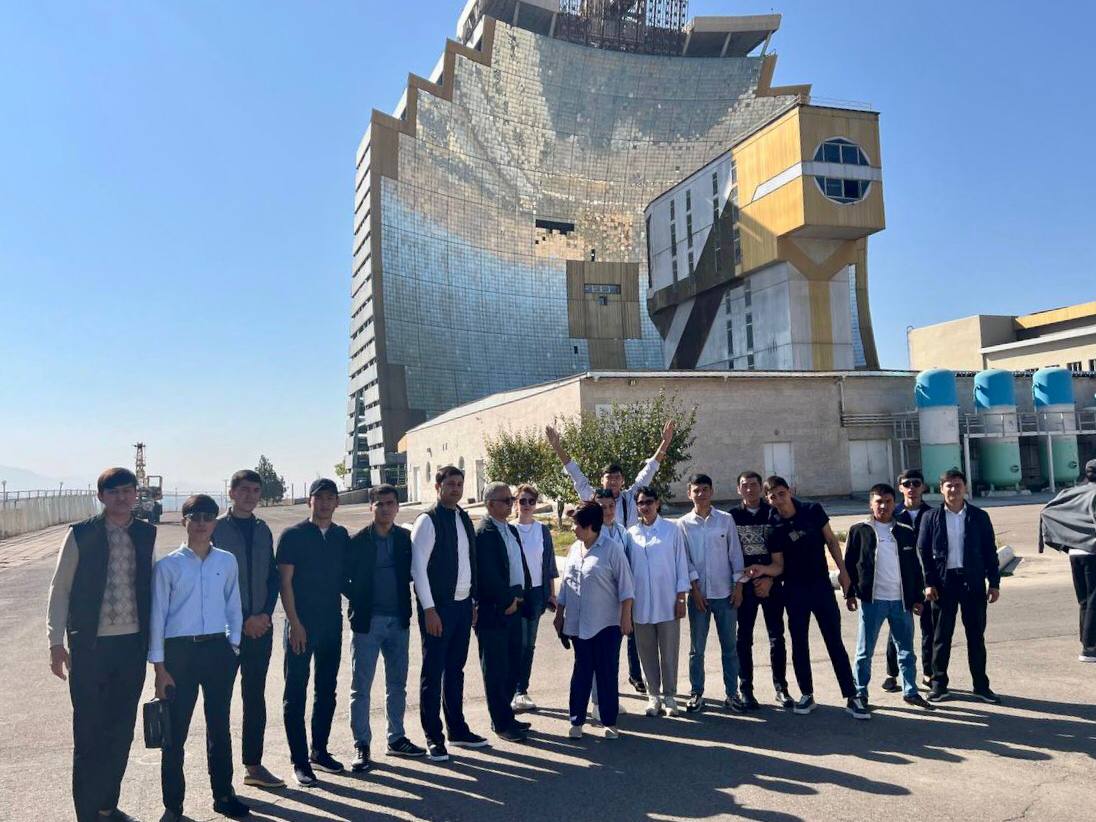
- Field training at the “Fizika-Quyosh” research and production association in Parkent district, where students work with renewable energy equipment alongside the association’s scientists.
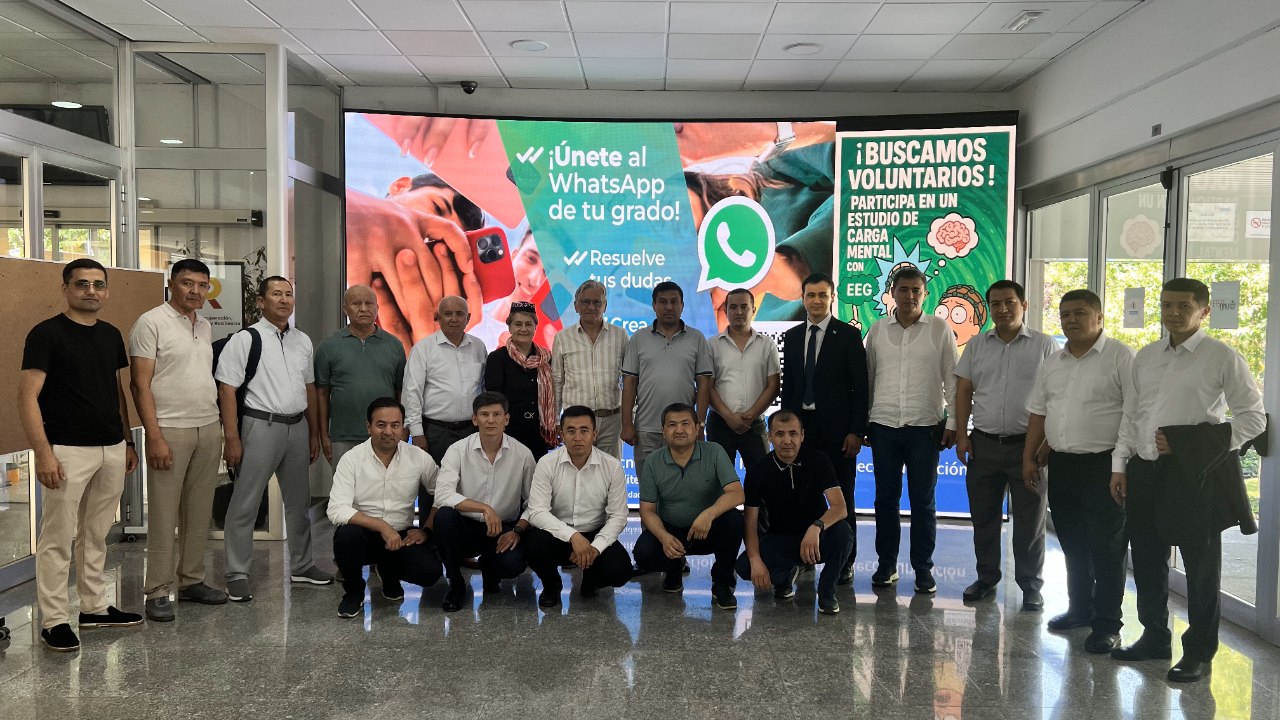
- Links to the Erasmus+ DEBSEUz project on solar energy education, for which TUIT is the grant holder.
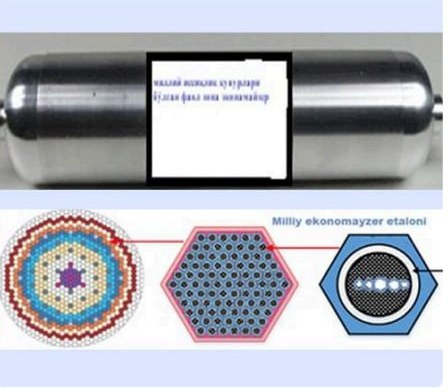
Supported start-up project: D-50RXU fuel economiser
The TUIT start-up portfolio includes the project “Development of the D-50RXU economiser for vehicles based on composite materials”, led by Bexzod Jumamuratov, PhD (Faculty of Television Technologies). The D-50RXU is a passive device fitted into a vehicle’s fuel line. Its internal structure, made of composite materials, optimises the mixing of fuel and air so that fuel burns more completely. This reduces fuel consumption and the amount of harmful substances in exhaust gases. The device works with petrol, diesel and gas engines and needs no external power.
The project team expects fuel savings of 14–20% per vehicle. Its next steps are a production line, certification against national and international standards, independent laboratory tests and patent protection.
This page is a public evidence record of Tashkent University of Information Technologies named after Muhammad al-Khwarizmi for the THE Sustainability Impact Ratings 2027 (reference period: calendar year 2025). Enquiries: rankings@tuit.uz.