Sustainability
Этот раздел подготовлен на английском языке для THE Sustainability Impact Ratings 2027 (отчётный период: 2025 год). PDF-версии политик на узбекском языке доступны на странице «Policies».
Data page · SDG 2 Zero Hunger · Data for calendar year 2025
Food waste at TUIT, 2025
Evidence for the THE Sustainability Impact Ratings 2027 · Indicator 2.2.1 · Data period: calendar year 2025 (utility records)
Summary
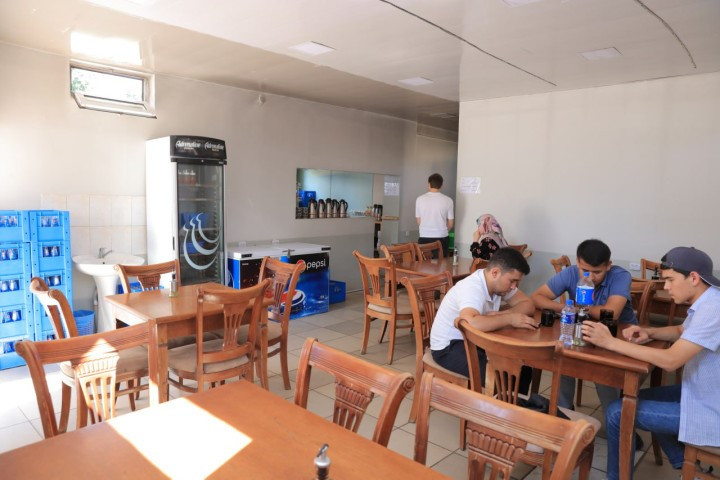
Tashkent University of Information Technologies named after Muhammad al-Khwarizmi tracks the food waste from its campus canteens. Food waste is separated at source and handed to a livestock farm in Oqtosh village, Tashkent region, for use as animal feed. The University’s published record gives an average of 1,108 kg a month; on that basis food waste in 2025 was about 13 tonnes.
At a glance
- Measurement scope: the canteens of the main campus. Catering is run by the outsourced operator Taste Point.
Food waste
| Monthly average | Year | |
|---|---|---|
| Food waste from the main-campus canteens (published average) | 1,108 kg | about 13 t in 2025 |
How it is handled
- Kitchen and plate waste is separated into food-waste containers in the canteens.
- The containers are collected and the food waste is taken to a livestock farm in Oqtosh village, Tashkent region, where it is used as animal feed.
- The Department of Housekeeping and Landscaping keeps the record of the amounts collected.
Since 30 August 2024 catering contracts include obligations to report the quantity of waste collected (Waste Management and Recycling Policy, TUIT-SP-05, paragraphs 6 and 8), and food waste is measured and reported every year (Sustainable Food Policy, TUIT-SP-08, paragraphs 8 and 10).