
- Стратегия
- Академическая интеграция
- Развитие научных исследований
- Функционирование кампуса
- Партнёрство и взаимодействие
- Доказательства
- Политики
- Политика устойчивого развития до 2033 года и на дальнейшую перспективу
- Политика в области транспорта
- Политика устойчивого инвестирования
- Политика устойчивых закупок
- Политика устойчивого финансирования / пожертвований
- Политика равенства, разнообразия и инклюзии
- Политика TUIT по кампусу без табачного дыма
- Управление
- Руководство и координация
- Организационная реализация
- Прозрачность и подотчётность
- Вовлечение заинтересованных сторон
- Доказательства по управлению
- Прозрачность
- Доказательства по прозрачности
Стратегия
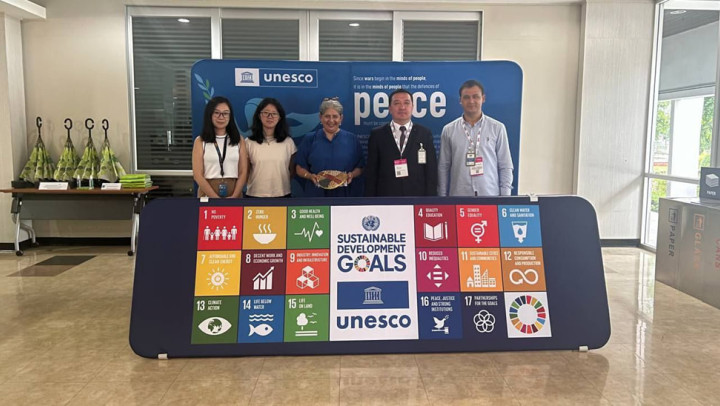
Ташкентский университет информационных технологий имени Мухаммада аль-Хорезми (TUIT) интегрирует принципы устойчивого развития в долгосрочное институциональное развитие посредством структурированной стратегии, согласованной с Целями устойчивого развития Организации Объединённых Наций.
Стратегия устойчивого развития университета основана на четырёх ключевых направлениях:
Академическая интеграция
Принципы устойчивого развития внедряются в образовательные программы по информационным технологиям, инженерии и менеджменту. Учебные курсы и тренинговые мероприятия включают такие темы, как «зелёные» вычисления, технологии «умного города» и цифровые решения для устойчивого развития.
Развитие научных исследований
TUIT развивает междисциплинарные исследования, направленные на решение экологических и социальных проблем. Исследовательская деятельность охватывает такие направления, как технологии возобновляемой энергетики, применение искусственного интеллекта в здравоохранении и экологических проектах, а также цифровые инновации для общественного развития.
Функционирование кампуса
Университет постоянно совершенствует деятельность кампуса с целью снижения воздействия на окружающую среду. Основные инициативы включают повышение энергоэффективности, рациональное использование водных ресурсов, сокращение отходов и развитие экологически ответственной инфраструктуры.
Партнёрство и взаимодействие
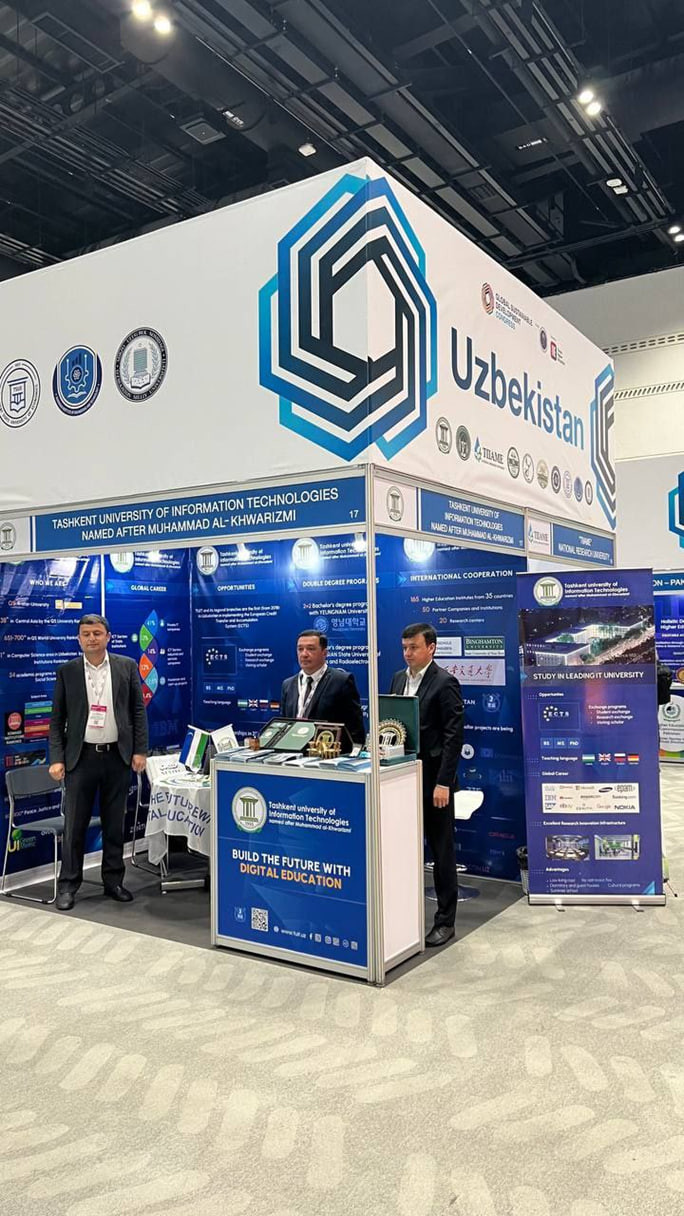
TUIT сотрудничает с промышленными предприятиями, государственными учреждениями и международными партнёрами для реализации инициатив в области устойчивого развития, поддержки инноваций и содействия развитию общества.
Стратегия устойчивого развития реализуется через институциональные политики и координируется между академическими и административными подразделениями университета.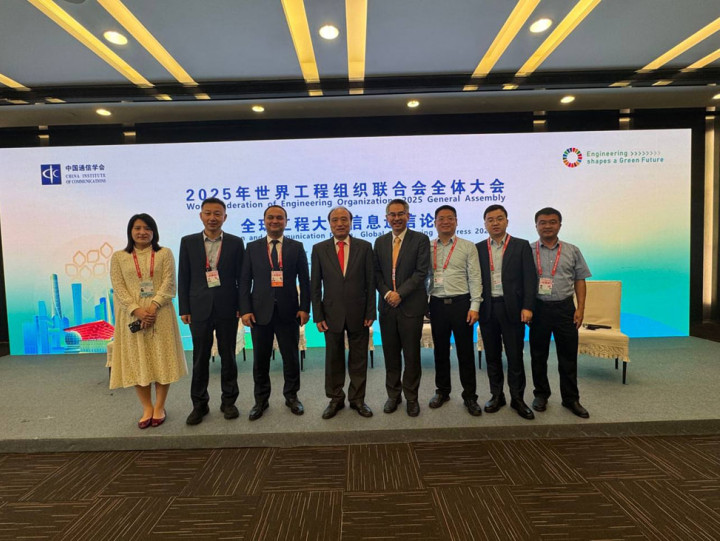
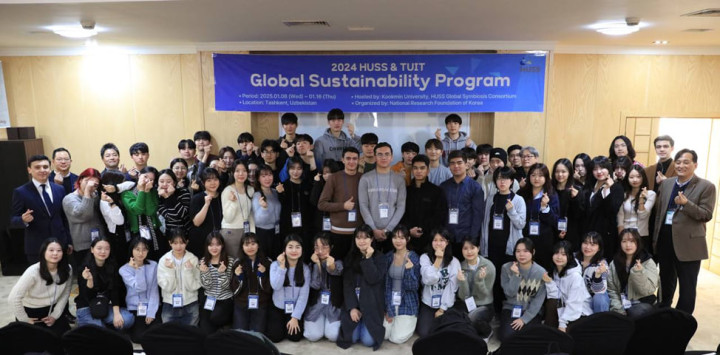

Доказательства (Evidence)
Основная страница по устойчивому развитию:
Политика устойчивого развития (PDF):
Политики (Policies)
В TUIT разработан ряд политик, связанных с устойчивым развитием, которые направлены на поддержку экологической ответственности, социальной инклюзии и этического управления.
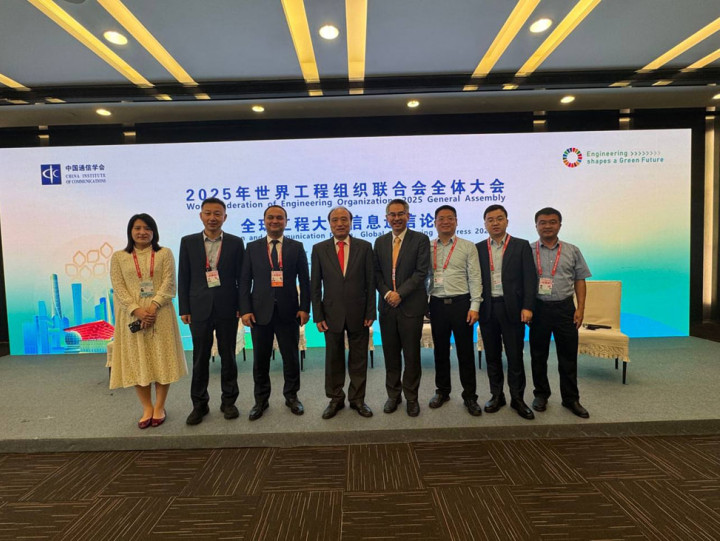
ПОЛИТИКА УСТОЙЧИВОГО РАЗВИТИЯ ДО 2033 ГОДА И НА ДАЛЬНЕЙШУЮ ПЕРСПЕКТИВУ
Устойчивое развитие будет формировать планы и деятельность TUIT на всех уровнях и во всех кампусах. Наша цель заключается в том, чтобы TUIT не только занимал лидирующие позиции в стране в области научных исследований и политики устойчивого развития, но и внедрял передовые устойчивые практики во всех направлениях своей деятельности — в исследованиях, обучении и операционных процессах.
Эта цель отражена в нашем видении: развивать исследования и образование в области устойчивого развития и применять сильные стороны TUIT в собственной деятельности, а также для решения новых глобальных вызовов. Наша стратегия объединяет работу, проводимую в области инфраструктуры кампуса, научных исследований и образовательной деятельности, в рамках единой системы устойчивого развития.
Поставленные цели будут направлять наши действия до 2033 года и в дальнейшем, обеспечивая максимальный вклад университета в достижение национальных целей и Целей устойчивого развития Организации Объединённых Наций.
Помимо технических улучшений, TUIT также способствует повышению осведомлённости о рациональном использовании водных ресурсов среди студентов и сотрудников через образовательные кампании, семинары по устойчивому развитию и экологические инициативы. Формируя ответственное отношение к использованию воды, университет стремится внести вклад в долгосрочную водную безопасность и защиту окружающей среды.
Нажмите здесь, чтобы узнать больше.
ПОЛИТИКА УСТОЙЧИВОГО РАЗВИТИЯ ДО 2033 ГОДА И НА ДАЛЬНЕЙШУЮ ПЕРСПЕКТИВУ
Политика в области транспорта (Transportation Policy)

TUIT продвигает экологически ответственную транспортную политику с целью сокращения выбросов парниковых газов и поддержки устойчивой мобильности внутри кампуса и вокруг него.
Университет поощряет студентов и сотрудников по возможности пользоваться общественным транспортом, велосипедами, пешеходными маршрутами и совместными поездками. Также предпринимаются меры по улучшению пешеходной инфраструктуры и обеспечению безопасного доступа к университетским объектам для велосипедистов и пешеходов.
Кроме того, TUIT поддерживает инициативы, направленные на снижение экологического воздействия транспорта, включая продвижение карпулинга (совместного использования автомобилей) и постепенный переход к более экологичным транспортным решениям. Посредством этих мер университет стремится способствовать развитию экологически чистой городской мобильности и снижению общего углеродного следа.
Нажмите здесь, чтобы узнать больше.
Политика устойчивого инвестирования (Sustainable Investing Policy)
TUIT учитывает принципы устойчивого развития при принятии финансовых решений и осуществлении инвестиционной деятельности. Политика устойчивого инвестирования обеспечивает соответствие инвестиций университета этическим стандартам, экологической ответственности и долгосрочным социальным интересам.
При оценке инвестиционных возможностей университет учитывает экологические, социальные и управленческие факторы (ESG). Приоритет отдается инвестициям, поддерживающим устойчивое развитие, инновации и социально ответственную деятельность, в то время как проекты, которые могут нанести вред окружающей среде или обществу, тщательно анализируются или исключаются.
Применяя принципы ответственного инвестирования, TUIT стремится обеспечить, чтобы его финансовые ресурсы способствовали устойчивому экономическому росту и поддерживали инициативы по защите окружающей среды и социальному развитию.
Нажмите здесь, чтобы узнать больше.
Политика устойчивого инвестирования TUIT
Политика устойчивых закупок (Sustainable Procurement Policy)
TUIT придерживается принципов ответственных и устойчивых закупок во всех закупочных процессах. Университет обеспечивает соответствие приобретаемых товаров и услуг экологическим, этическим и качественным стандартам.
В процессе закупок учитываются такие факторы, как энергоэффективность, воздействие на окружающую среду, жизненный цикл продукции и ответственность поставщиков. Предпочтение отдается поставщикам, демонстрирующим устойчивые производственные практики, ответственное управление ресурсами и соблюдение стандартов справедливого труда.
Реализуя принципы устойчивых закупок, TUIT стремится сократить экологическое воздействие своей деятельности, поддерживать ответственные цепочки поставок и сотрудничать с компаниями, способствующими устойчивому развитию.
Нажмите здесь, чтобы узнать больше.
Политика устойчивого финансирования / пожертвований (Sustainable Funding / Donations Policy)
TUIT обеспечивает соответствие всех источников финансирования и пожертвований миссии университета, его этическим стандартам и принципам устойчивого развития. Финансовые взносы играют важную роль в поддержке образовательных, научных и общественных инициатив университета.
Университет тщательно оценивает возможности финансирования, чтобы обеспечить прозрачность, подотчётность и соответствие институциональным приоритетам. Поощряются партнерства и пожертвования, поддерживающие инновации, устойчивое развитие и социальный прогресс.
Поддерживая ответственные практики финансирования, TUIT укрепляет свои возможности инвестировать в качественное образование, научные исследования и инициативы в области устойчивого развития, которые приносят пользу как академическому сообществу, так и обществу в целом.
Нажмите здесь, чтобы узнать больше.
Политика равенства, разнообразия и инклюзии (Equality, Diversity & Inclusion Policy)
TUIT стремится создать инклюзивную, уважительную и справедливую академическую среду для всех членов университетского сообщества. Университет обеспечивает равные возможности независимо от пола, этнической принадлежности, религии, инвалидности, национальности или социально-экономического происхождения.
Политики и институциональные практики направлены на обеспечение справедливого отношения и равного доступа студентов, преподавателей, исследователей и сотрудников к академическим и профессиональным возможностям. Университет также поддерживает инициативы, направленные на развитие разнообразия и укрепление межкультурного взаимопонимания в университетском сообществе.
Через образовательные программы, инициативы по повышению осведомленности и инклюзивную институциональную политику TUIT стремится создать благоприятную среду, в которой разнообразие уважается и ценится.
Нажмите здесь, чтобы узнать больше.
Политика равенства, разнообразия и инклюзии
Политика TUIT по кампусу без табачного дыма (TUIT’s Smoke-Free Policy)
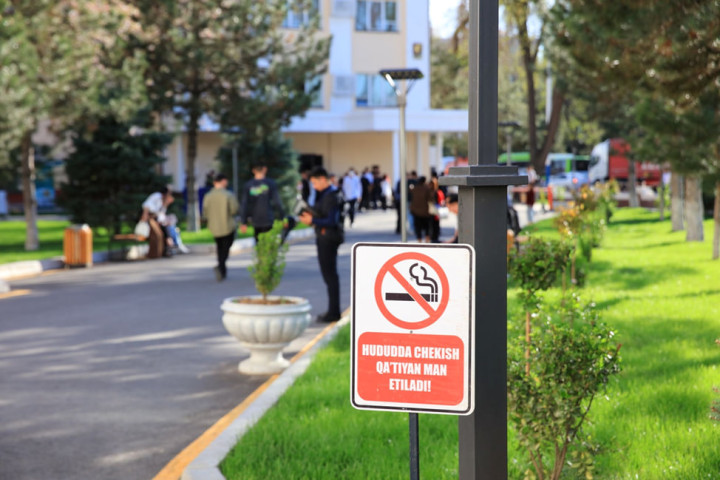
TUIT поддерживает политику кампуса без табачного дыма с целью защиты здоровья и благополучия студентов, сотрудников и посетителей. Курение и использование табачных изделий запрещены в зданиях университета, учебных помещениях и в специально определённых зонах кампуса.
Данная политика направлена на создание здоровой образовательной и рабочей среды путем сокращения воздействия пассивного курения и продвижения более здорового образа жизни. В поддержку этой инициативы проводятся информационные кампании и программы повышения осведомленности о здоровье.
Поддерживая кампус без табачного дыма, TUIT демонстрирует свою приверженность защите общественного здоровья и общему благополучию университетского сообщества.
Нажмите здесь, чтобы узнать больше.
Политика кампуса без табачного дыма
Управление (Governance)
TUIT обеспечивает эффективную реализацию инициатив в области устойчивого развития посредством структурированного управления и институциональной координации.
Руководство и координация (Leadership and Coordination)
Деятельность в области устойчивого развития координируется на институциональном уровне под руководством администрации университета и соответствующих комитетов. Стратегическое направление согласуется с национальной образовательной политикой и институциональными приоритетами университета.
Организационная реализация (Organizational Implementation)
Академические кафедры, научно-исследовательские подразделения и административные структуры отвечают за внедрение инициатив устойчивого развития в своих областях деятельности. Принципы устойчивого развития интегрируются в образовательные программы, научные проекты и операционную деятельность кампуса.
Прозрачность и подотчётность (Transparency and Accountability)
TUIT обеспечивает общественный доступ к ключевой институциональной информации через официальный веб-сайт университета, включая политики, институциональные отчёты и стратегические инициативы. Это способствует прозрачности и обеспечивает подотчётность перед заинтересованными сторонами.
Вовлечение заинтересованных сторон (Stakeholder Engagement)
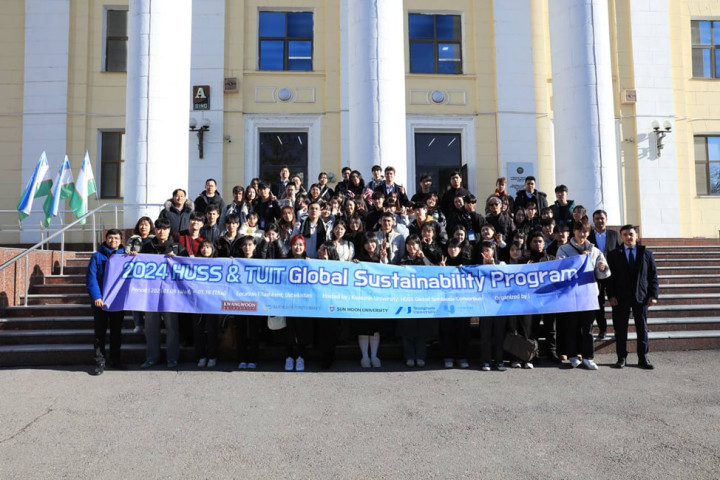
Студенты, академический персонал и внешние партнёры участвуют в инициативах устойчивого развития через образовательные мероприятия, научные проекты и программы взаимодействия с обществом. Студенческие инициативы и платформы сотрудничества обеспечивают постоянную обратную связь и способствуют дальнейшему совершенствованию.
Такая система управления поддерживает эффективную реализацию практик устойчивого развития и соответствует международным требованиям к отчётности в области устойчивого развития.
Доказательства (Evidence)
- Структура управления / устойчивого развития: https://tuit.uz/ru/website-information-sustainability
- Хартия устойчивого развития (PDF — доступна на той же странице)
Прозрачность (Transparency)
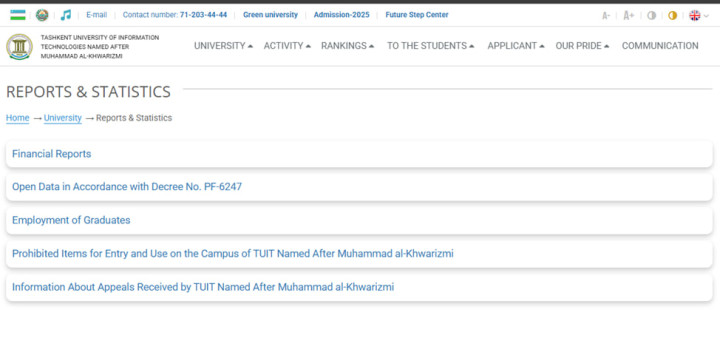
TUIT поддерживает прозрачность, предоставляя общественный доступ к институциональной информации, политикам и отдельным операционным данным через официальные каналы коммуникации.
Университет публикует ключевую информацию, связанную с академической деятельностью, управлением и институциональным развитием, на своем официальном веб-сайте. Публично доступные разделы включают открытые данные, институциональные новости и документацию по политике.
Такой подход обеспечивает заинтересованным сторонам доступ к необходимой информации и способствует подотчётности и доверию к институциональным процессам.
Доказательства (Evidence)
- Открытые данные и публичная информация: https://tuit.uz/ru/ochiq-malumotlar
- Основной веб-сайт: https://tuit.uz/ru