
SDG 17: Partnerships for the Goals
Overview
Tashkent University of Information Technologies named after Muhammad al-Khwarizmi contributes to Sustainable Development Goal 17 by building partnerships that support education, research, innovation, digital transformation, internationalization, and sustainable development. The University recognizes that sustainable development cannot be achieved by individual institutions working alone. Strong cooperation between universities, government bodies, industry, international organizations, and civil society is essential for improving educational quality, developing research capacity, commercializing innovation, and preparing graduates for national and global development needs.
 |
 |
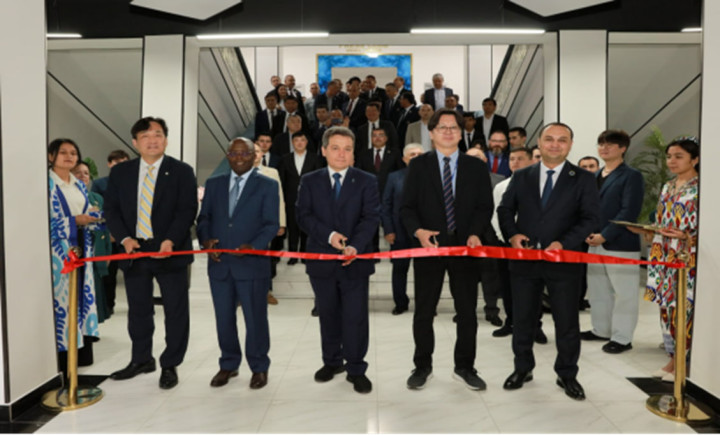
During the 2024–2025 academic year, TUIT continued expanding its network of international academic, governmental, industrial, and innovation-focused partnerships. These partnerships included bilateral memoranda of understanding, ERASMUS+ projects, KOICA-funded education programmes, student and faculty mobility, industry cooperation, startup ecosystem forums, international competitions, and participation in global sustainability and ranking frameworks. As Uzbekistan’s leading ICT-focused university, TUIT uses partnership as a strategic mechanism to strengthen institutional capacity and contribute to the country’s digital transformation.
TUIT’s partnerships are especially important because the University operates in fields where cooperation is essential: artificial intelligence, cybersecurity, telecommunications, renewable energy, digital governance, satellite technologies, software systems, and smart infrastructure. Through collaboration with international universities, public institutions, and technology companies, TUIT connects students and faculty with global expertise while also contributing to Uzbekistan’s national priorities in digital development and higher education modernization.
Research & Innovation
TUIT’s Scopus-indexed research portfolio includes 2 articles classified under SDG 17, representing 0.1% of the University’s total SDG-related Scopus output. Although the direct number of SDG 17-classified publications is small, the partnership dimension is embedded across many areas of TUIT’s research and innovation activity. Research collaboration, international mobility, joint curriculum development, startup support, and industry engagement all contribute to stronger institutional capacity and more practical research outcomes.
SDG 17 Partnerships for the.pdf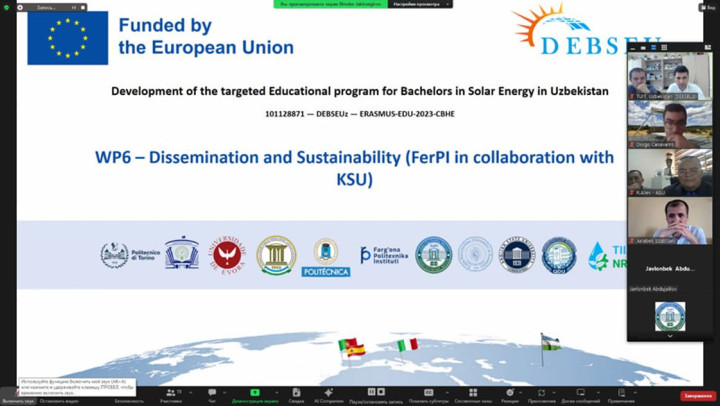
https://t.me/tuituz_official/19890
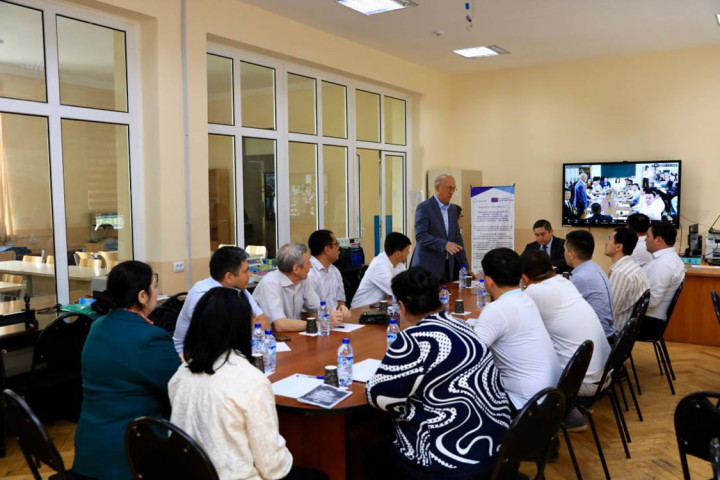
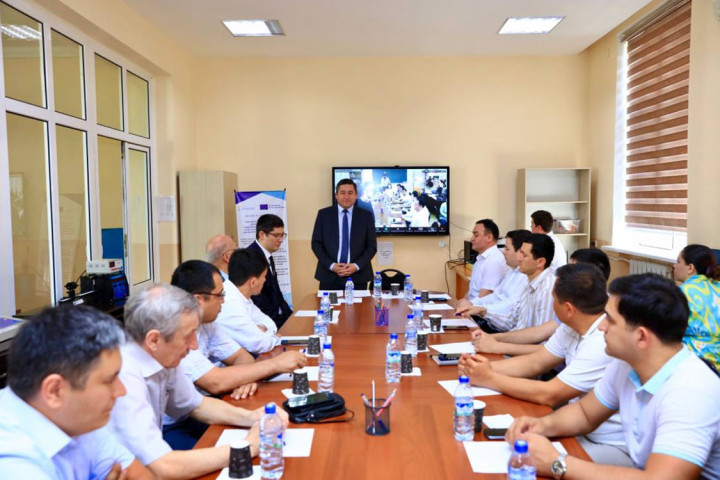
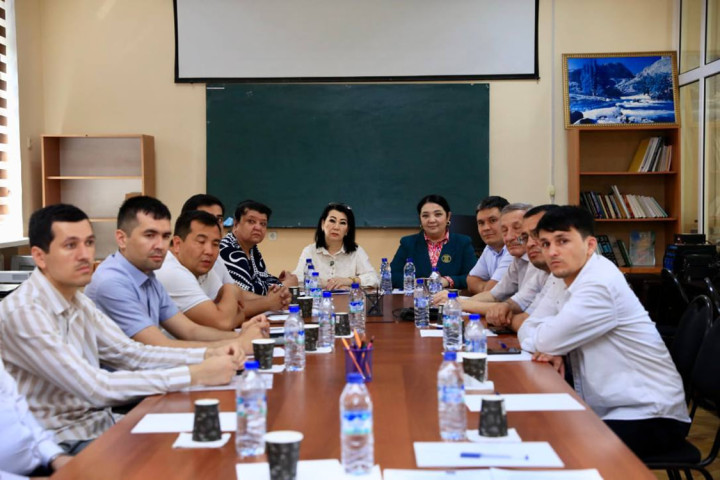
The ERASMUS+ DEBSEUz project is one of the clearest examples of research and capacity-building partnership. TUIT participates as a grant holder in this project, working with international partners including Universidad Politécnica de Madrid in Spain. The project is connected with renewable energy and solar energy capacity building, linking TUIT’s academic and technical development with European expertise in clean energy transition. This partnership supports not only research collaboration, but also faculty development, curriculum improvement, and the transfer of international experience into Uzbekistan’s higher education system.
 |
 |
 |
https://t.me/tuituz_official/25529
The ERASMUS+ INMACOM project also demonstrates TUIT’s involvement in European academic cooperation. Through this project, TUIT engages with institutions such as Vrije Universiteit Brussel and Ghent University in Belgium, particularly in areas connected with photonics and optical communications. This is relevant to SDG 17 because it shows how international partnerships can strengthen specialized academic fields, support new programme development, and increase the quality of research and education in advanced technology areas.
TUIT’s cooperation network also includes South Korean, German, Qatari, Spanish, Belgian, French, and other international partners. These collaborations create opportunities for cross-border knowledge exchange in fields such as cybersecurity, telecommunications, artificial intelligence, renewable energy, digital connectivity, e-government, and engineering education. Through these partnerships, TUIT increases access to international expertise, strengthens research visibility, and creates pathways for joint projects, mobility, and institutional modernization.
The University’s inclusion in the Times Higher Education Impact Rankings 2025 TOP 1000 also reflects its engagement with global sustainability reporting and benchmarking frameworks. While rankings are not partnerships in the traditional sense, participation in international evaluation systems strengthens accountability, visibility, and institutional learning. It also allows TUIT to compare its sustainable development activities with global standards and improve evidence-based reporting.
Education & Students
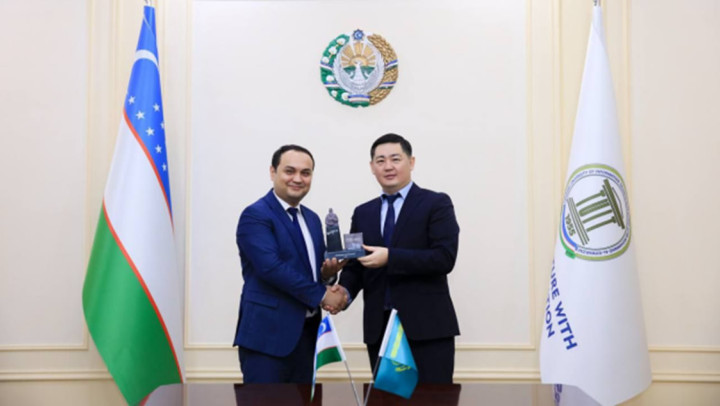
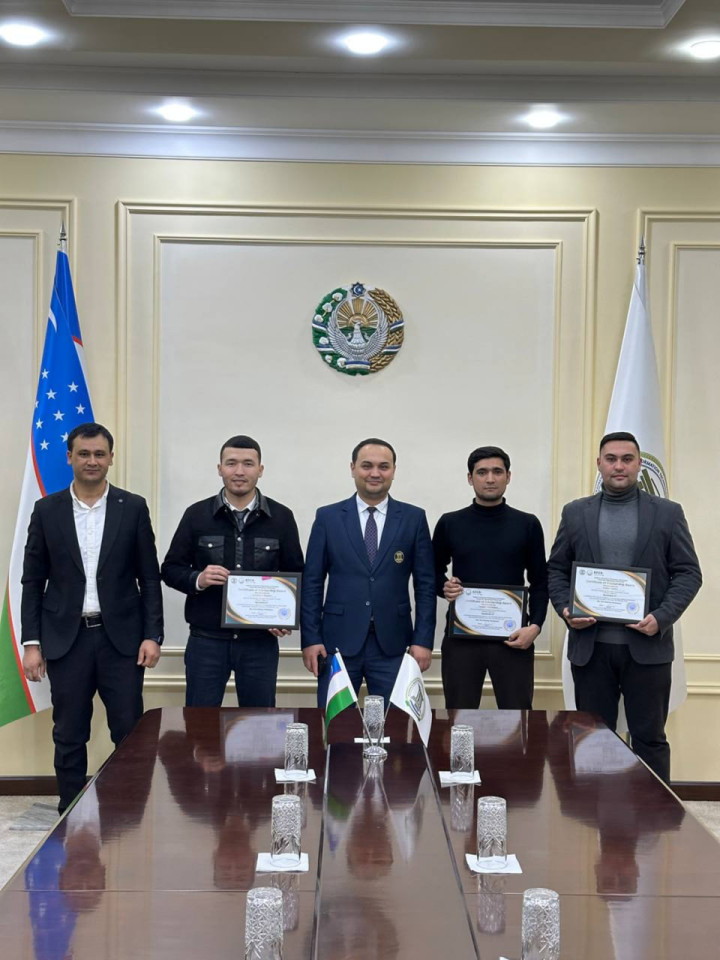
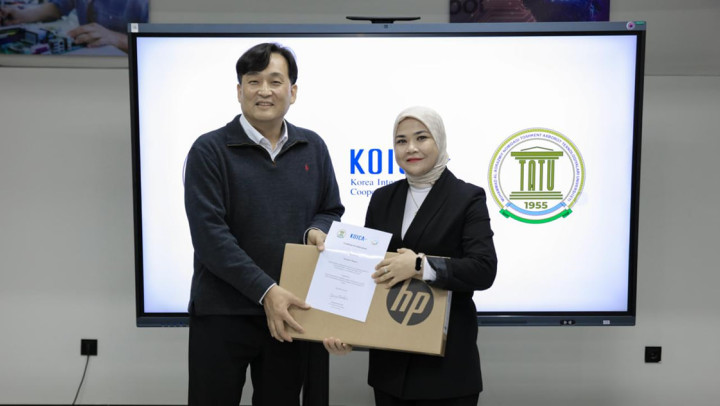
TUIT’s partnerships create direct opportunities for students and graduates through mobility, scholarships, international study, competitions, and professional development. One of the strongest examples is the KOICA partnership with South Korea. In February 2025, three TUIT graduates received fully funded master’s degree opportunities at Kookmin University in Seoul under the “Innovative Business IT Education Ecosystem” project. This programme supports tuition, accommodation, and transport for selected students and reflects a long-term education partnership between TUIT, KOICA, and Kookmin University.
 |
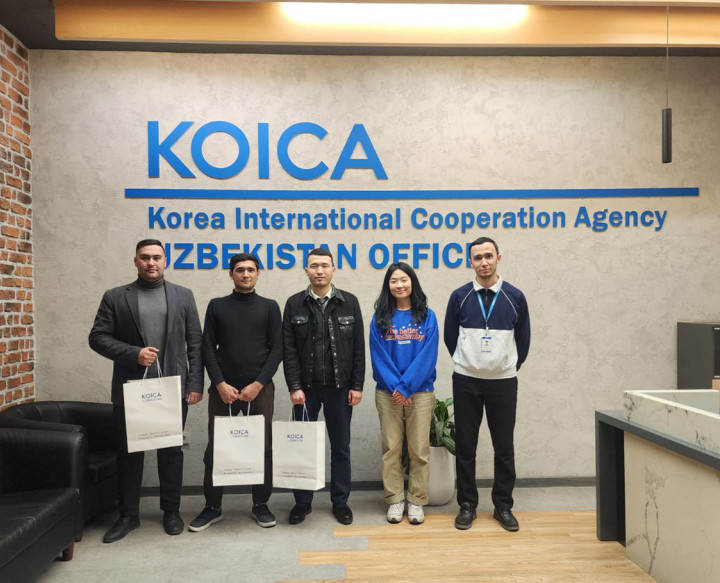 |
KOICA–TUIT–Kookmin University training programme
ERASMUS+ projects also support student and faculty development. Through DEBSEUz, TUIT students and staff benefit from mobility and capacity-building opportunities connected with Universidad Politécnica de Madrid. Through INMACOM, students and faculty engage with European partners including Vrije Universiteit Brussel and Ghent University. These projects strengthen academic quality by exposing participants to international laboratories, teaching methods, research environments, and curriculum models.
TUIT also maintains student exchange cooperation with Nordhausen University of Applied Sciences in Germany in areas such as IT, engineering, and renewable energies. Such mobility opportunities are important because they give students access to international academic environments, practical learning cultures, and global professional networks. They also support the development of graduates who are better prepared to work in international or cross-cultural technology settings.
The University’s South Korea partnerships further support student access to advanced education. The ongoing Kookmin University cooperation provides grant-supported learning opportunities for TUIT-selected students, while institutional materials also mention a May 2025 memorandum with Chongwan National University covering bachelor’s and master’s student exchange and research collaboration. The Chongwan item should be verified with an official source before final submission, but it reflects the broader direction of TUIT’s internationalization strategy.
TUIT students also benefited from international academic competition opportunities. In November 2024, students participated in an international economics Olympiad in Turkmenistan and won bronze medals. This example shows that TUIT’s partnerships and external engagement are not limited to ICT alone; they also support student development in business, economics, and interdisciplinary fields relevant to sustainable development.
Community & Partnerships
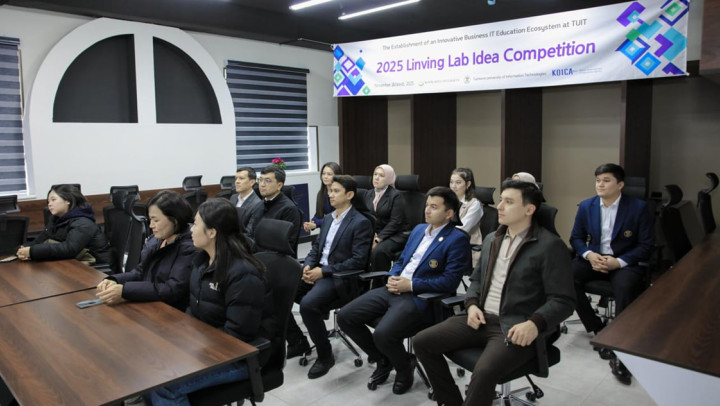
TUIT’s partnership ecosystem includes academic institutions, government bodies, industry partners, startup organizations, and international development actors. Active academic partnerships listed in institutional materials include Kookmin University in South Korea, Universidad Politécnica de Madrid in Spain, Vrije Universiteit Brussel and Ghent University in Belgium, Nordhausen University of Applied Sciences in Germany, and cooperation discussions with Qatar-based institutions. These partnerships support mobility, joint research, curriculum modernization, and international knowledge exchange.
 |
 |
The University also works closely with public institutions in Uzbekistan. Cooperation with the Ministry of Digital Technologies supports student scholarships, digital governance programmes, competitions, innovation activities, and national workforce development. Partnerships with UzCosmos contribute to satellite and space technology-related activities, including student participation in CanSat. Cooperation with UZTELECOM and Huawei supports 5.5G, telecommunications, youth innovation, and technology demonstration initiatives. These government and technology partnerships help connect higher education with national digital infrastructure priorities.
Industry cooperation is another important part of TUIT’s SDG 17 contribution. Partnerships with Schneider Electric support industry curriculum alignment, employer engagement, and student awareness of modern engineering and technology-sector expectations. Cooperation with IT Park Uzbekistan, AloqaVentures, and IT Park Ventures supports startup development, innovation commercialization, and investment pathways for students and graduates. These relationships are essential because sustainable development requires not only education and research, but also mechanisms that help transform ideas into practical solutions and economic value.
 |
 |
 |
https://t.me/tuituz_official/21824
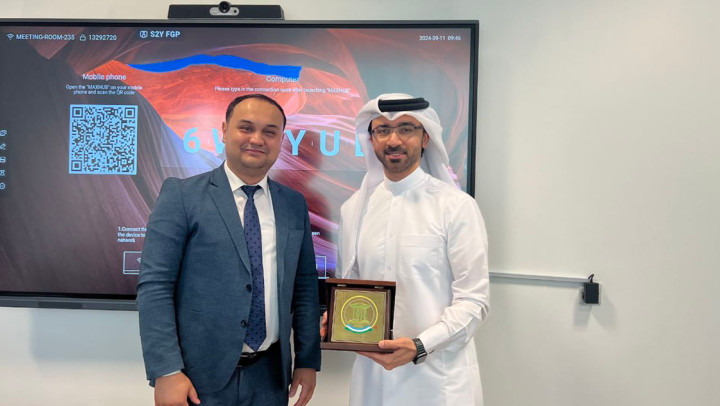
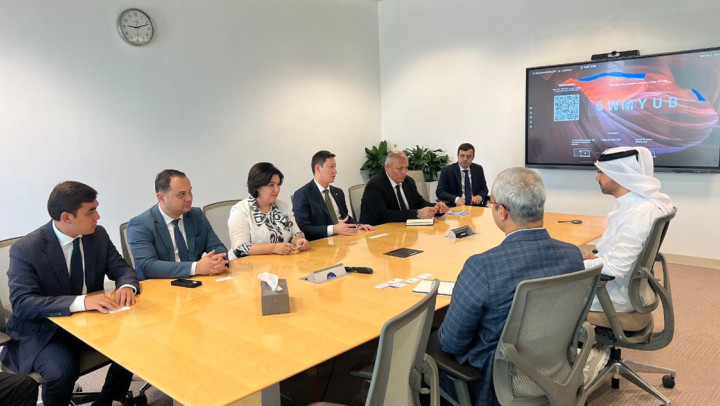
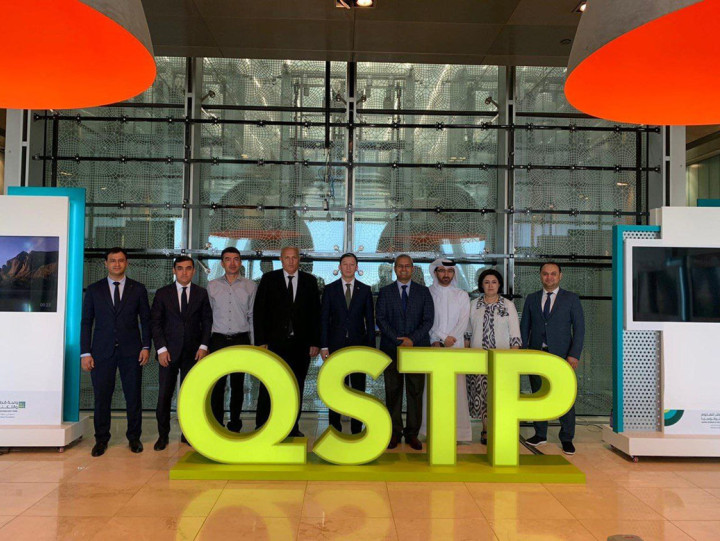
TUIT also participates in national and international forums that strengthen partnership networks. In September 2024, the rector’s delegation visited Qatar’s Ministry of Higher Education in Doha, supporting international cooperation discussions. In June 2025, TUIT participated in THE Impact Rankings-related activities in Istanbul, strengthening its engagement with global sustainability frameworks. TUIT students and representatives also connected with the ITU Generation Connect Youth Leaders Programme in Geneva, with Huawei as a co-organizer. At the national level, the forum on developing the startup ecosystem in cooperation with higher education institutions helped connect universities, government, and the private sector around innovation and entrepreneurship.
Through these partnerships, TUIT demonstrates that SDG 17 is not a separate or isolated goal, but a foundation that supports all other SDGs. International cooperation strengthens education and research; government partnerships support national digital transformation; industry collaboration improves employability and innovation; startup ecosystem partnerships support economic development; and sustainability reporting frameworks improve institutional accountability. Together, these activities show that partnership is central to TUIT’s role as a technology university contributing to sustainable development.
Key Results
|
Indicator |
Result |
|
Scopus articles (SDG 17) |
2 (0.1% of total) |
|
Active international MOUs |
9+ institutions (9 countries) |
|
ERASMUS+ projects (as grandholder) |
1 (DEBSEUz) |
|
ERASMUS+ projects (as partner) |
1 (INMACOM) |
|
KOICA-funded graduate students (Korea) |
3 |
|
Government ministry partnerships |
3+ |
|
Industry partners (active) |
5+ |
|
International forum participation |
5+ |
|
National startup ecosystem forums co-hosted |
1 |
Overall, during the 2024–2025 academic year, TUIT contributed to SDG 17 through international academic cooperation, ERASMUS+ projects, KOICA-funded education pathways, student and faculty mobility, government collaboration, industry partnerships, startup ecosystem engagement, international forums, and participation in global sustainability reporting frameworks. These activities show that TUIT uses partnership as a practical tool for improving education, strengthening research, supporting innovation, and contributing to Uzbekistan’s sustainable digital transformation.